Editorial update · Updated October 19, 2026. This page has been rewritten; historical models and events are identified in the text.
The Evenflo Maestro name has been used across more than one product generation. A family reading an older Maestro review while shopping for a Maestro Sport should first separate the historical seat from the one available now. That small step prevents an older limit or adjustment instruction from being applied to the wrong unit.
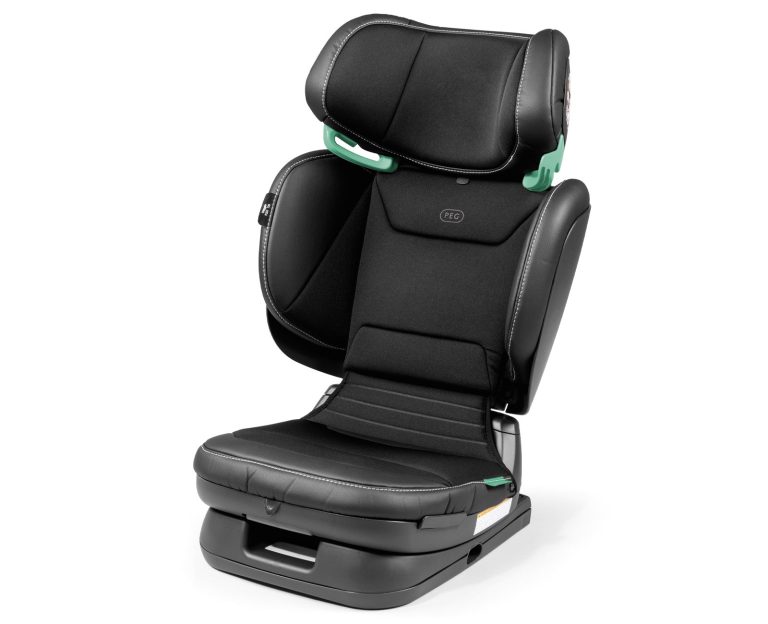
The Maestro Sport is a forward-facing harness-to-high-back-booster seat. It is relevant when the child is ready for that category, not as a replacement for a rear-facing restraint that is still needed.
Find the manual that belongs to the seat
Evenflo’s manual library explains how to obtain instructions and notes the importance of model identification. Keep the model number and manufacture date available when contacting support. The current Maestro Sport product page helps identify the present product, but it should not be treated as the complete guide for a 2017 Maestro.
If accepting a seat from another household, ask for the original manual and all supplied components. Verify the service life and recall status for that unit before evaluating it as a potential purchase or spare.
Read the harness and booster ranges separately
The two stages secure the child differently. In harness mode, the seat’s built-in harness does the restraining. In booster mode, the vehicle lap-and-shoulder belt secures the child and the booster helps position it.
An advertisement may emphasize the largest capacity across both stages. That number does not tell you the harness limit. Check weight, standing height, harness position and head-support requirements for the mode being used. A growing child may reach one of the fit limits before reaching the headline maximum.
Try the seat with the child present. Look at the available harness growth room and whether the adjustment process is manageable for the caregiver. A seat bought mainly for occasional use still needs to fit correctly on every occasion.
Inspect the intended seating position
Use the vehicle manual to identify suitable positions and the correct top-tether anchor. Then follow the Maestro manual for belt routing, lower-anchor restrictions and tether use. A hook attached to a convenient cargo fitting is not a substitute for the designated anchor.
If the seat will move between households, evaluate each vehicle separately. A belt installation that works in one car may encounter a different buckle position or seat contour in another. The person responsible for transport should learn to install and check it without relying on someone else’s memory.
Our installation guide provides a useful outline for a checking appointment. Bring both manuals and the actual seat, including any parts whose purpose is unclear.
Reassess the child before booster conversion
The booster minimums are eligibility rules, not a guarantee of readiness. The child must sit properly for the whole ride, including when tired or distracted. Changing modes does not solve a need for a harness if the child cannot yet manage that responsibility.
After conversion, check the lap-belt position and the shoulder-belt guide with the child seated naturally. Confirm that the belt returns correctly after movement. Different children and vehicles can produce different results in the same booster, so the later stage deserves its own fitting.
Use the booster-readiness guide before making the change. If booster fit is unsuitable, select an appropriate alternative rather than trying to extend the current seat beyond its instructions.
A practical place on the shortlist
Maestro Sport may be worth investigating for a straightforward forward-facing seat, particularly when a family needs an additional restraint for another caregiver. Compare the complete package: suitability now, usable harness growth room, installation, maintenance and the eventual booster fit.
The combination-seat buying guide places the Maestro family alongside other harness-to-booster options. Match the comparison to the exact unit and the child’s current stage, leaving room to choose a different booster later if necessary.