Key Takeaways
- Confirm the year, make, model, engine, trim, drivetrain, and VIN before ordering.
- Compare the full ownership cost, including shipping, hardware, labor, and return risks.
- Give extra attention to fit, testing, and installation for safety-related components.
- Choose accessories that solve a real daily-driving, hauling, storage, or weather-protection need.
- Keep receipts, part numbers, installation records, and warranty paperwork.
- Check for open recalls before beginning a major repair or adding equipment.
Shopping for replacement parts or upgrades is easier when the decision starts with your vehicle, not a product photo or a low price. Whether you drive Sarasota streets every day, take weekend trips along the Gulf Coast, or prepare for wet weather and beach gear, choosing the right components can protect your budget and help keep your vehicle dependable. A trusted source for Jeep dealer auto parts can also help you verify the details that matter before you order.
The best purchase is not necessarily the most expensive option or the cheapest one. It is the part or accessory that fits the exact vehicle, meets the needs of the job, and has a reasonable total cost once hardware, labor, and future maintenance are considered.
Why Fitment Should Come First
Vehicles that share a model name can still use different parts. A change in engine size, trim package, production date, brake package, drivetrain, wiring connector, or factory option may affect compatibility. For example, an accessory designed around one bumper shape or sensor layout may not work correctly on another version of the same vehicle.
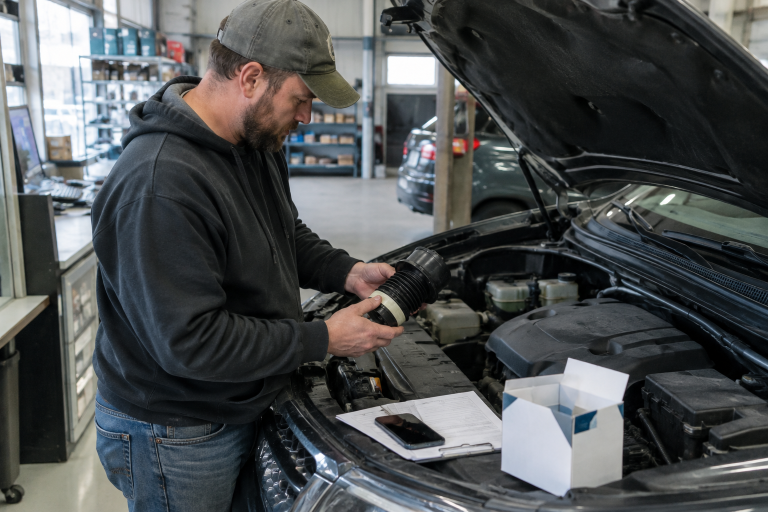
Before shopping, collect the information that identifies your exact vehicle. Write down the VIN, check the owner’s manual, record the old part number when possible, and take clear photos of the installed component and its connectors. The VIN is especially useful because it identifies one specific vehicle, rather than just a broad model range.
For owners comparing local service and purchasing options, established Sarasota car dealerships can be a practical place to confirm fitment questions, discuss installation needs, and identify parts tied to factory equipment.
A Quick Fitment Checklist
- Confirm the model year, trim, engine, and drivetrain.
- Use the VIN when a seller or service department requests it.
- Match the replacement part number to the old component when available.
- Measure mounting areas for mats, cargo systems, racks, and wheel-related accessories.
- Ask whether required brackets, clips, seals, wiring, or adapters are included.
OEM, Aftermarket, Remanufactured, and Used Parts
OEM parts are built to the vehicle manufacturer’s specifications. Aftermarket parts are made by independent companies. Remanufactured parts are previously used components that have been restored for reuse, while recycled parts are removed from another vehicle and sold again. Each category can make sense in the right situation.
For a cosmetic or convenience accessory, a well-reviewed aftermarket option may deliver good value. For brakes, steering, suspension, lighting, restraints, or electronics that interact with driver-assistance features, buyers should apply a higher standard. Review the manufacturer, materials, fitment information, warranty, instructions, and return policy instead of relying only on the category name.
Compare the Real Cost, Not Just the Listed Price
A lower sticker price can become costly if the item needs special hardware, extra wiring, tools, calibration, or repeated labor. In Sarasota, an accessory that seems useful for beach trips, family hauling, or rainy-day driving should also be practical to clean, secure, and maintain over time.
Use this simple buying calculation before placing an order:
- Start with the part price.
- Add shipping, taxes, and any core charge.
- Add required clips, fluids, brackets, adapters, or wiring.
- Include installation labor and any needed testing.
- Consider expected maintenance and replacement frequency.
- Factor in the risk of a nonreturnable or incorrect installed part.
Safety Checks Before You Buy
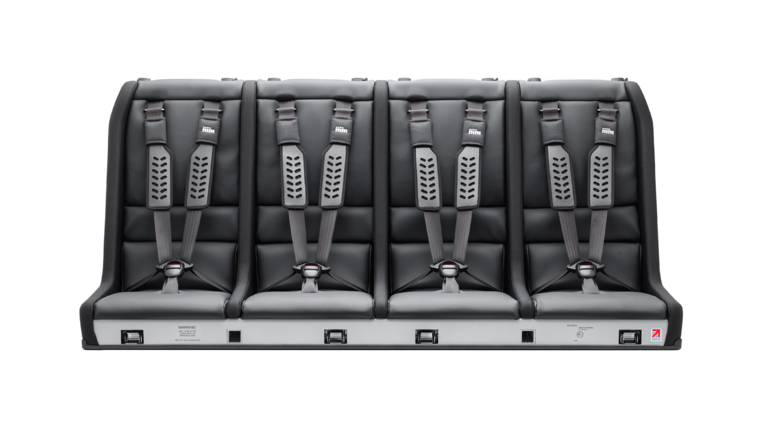
Safety should lead the decision for tires, brakes, lights, towing equipment, steering parts, child-restraint equipment, and accessories near cameras or sensors. Never assume an item is safe simply because it physically attaches to the vehicle. Confirm that it does not block visibility, headlights, license plates, cameras, airbag zones, parking sensors, or forward-facing safety equipment.
Before a major repair or equipment purchase, use the recall lookup tool to search by VIN or vehicle details. It can show whether a vehicle has an unrepaired recall and provides recall information for vehicles, tires, car seats, and other equipment. Addressing an open safety recall should take priority over cosmetic upgrades.
Choose Accessories That Solve a Real Problem
Start with how the vehicle is actually used. For a daily commuter, a secure phone mount, organized storage, dependable charging, and easy-clean floor protection may matter most. Families may prioritize cargo organization and surfaces that handle spills. Drivers carrying kayaks, tools, sports equipment, or luggage should focus on secure attachment points and weight limits.
- Daily commuting: Choose comfort, charging, organization, and visibility improvements.
- Family transportation: Prioritize cleanability, storage, and unobstructed passenger safety features.
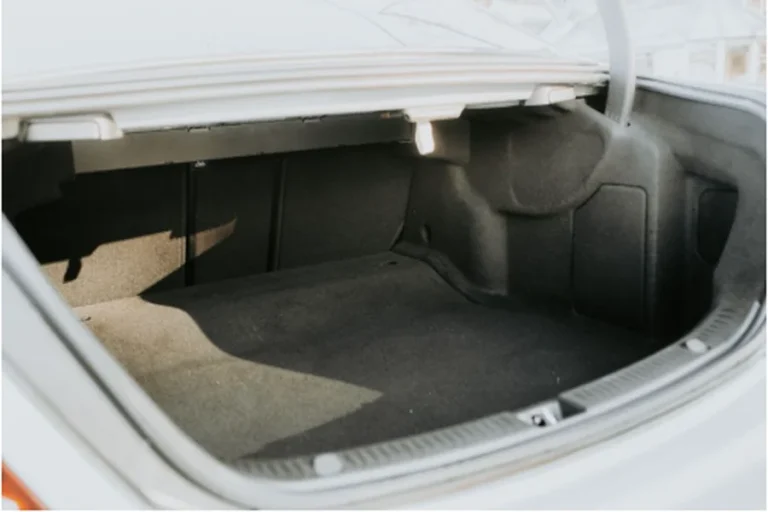
- Outdoor use: Consider cargo liners, durable mats, and secure storage solutions.
- Towing or hauling: Match hitches, wiring, cargo carriers, and load-support equipment to vehicle ratings.
- Long road trips: Focus on tire care, emergency supplies, visibility, and protected cargo.
When Professional Installation Makes Sense
Simple plug-in accessories may be suitable for careful do-it-yourself installation. Professional help is often wiser when the work affects brakes, steering, suspension, fuel systems, airbag components, complex wiring, towing connections, or camera and sensor calibration. An incorrect installation can create damage, poor performance, or a safety concern.
Ask for the full labor estimate, whether additional parts are likely, how the work will be tested, and what happens if the component does not fit. If factory settings or safety systems could be affected, ask whether the installer will perform the necessary checks after the job is complete.
Warranty and Return Policy Questions
Read coverage terms before purchase, especially for higher-cost repairs. Check the warranty length, exclusions, proof-of-purchase requirements, labor coverage, and whether professional installation is required. Also confirm the return deadline and whether an opened, painted, programmed, or installed part can be returned.
According to the FTC’s guidance on aftermarket and recycled parts, using those parts does not automatically end a vehicle warranty. However, coverage for damage may be disputed if the part or its installation caused that damage. Save invoices, maintenance records, installation documents, and photos to support any future claim.
Common Buying Mistakes to Avoid
- Ordering based on a photo without verifying the part number or fitment details.
- Assuming every trim level uses the same brakes, sensors, wheels, or connectors.
- Selecting the lowest price without reviewing materials, warranty terms, and return conditions.
- Ignoring labor, calibration, or extra-hardware costs.
- Installing accessories that interfere with cameras, sensors, lights, or airbag areas.
- Discarding packaging and receipts before fitment has been confirmed.
A Simple Buying Process
Define the need first, whether it is repair, protection, comfort, storage, or towing. Then identify the vehicle precisely, confirm compatibility through reliable information, compare total costs, and review safety and warranty details. Keep all records, inspect the finished installation, and test the part or accessory before depending on it for a longer Sarasota-area drive.
Conclusion
Choosing car parts and accessories does not need to be complicated. Verify fitment first, compare the complete cost, give safety-related purchases extra scrutiny, and select upgrades that fit the way you actually drive in Sarasota. A few careful checks before buying can prevent wasted money, delayed repairs, and equipment that fails to deliver the convenience or protection you expected.