Buying or Selling a Used Car Seat: Establish the History First
Check a used car seat’s history, labels, expiry, parts and recalls before buying or selling, including practical questions about online listings.
Explore the journal
Resources for choosing the next restraint, planning travel and checking everyday use. Start with a seat category, then follow model-specific instructions and the guides on installation, registration and later-stage transitions.
Check a used car seat’s history, labels, expiry, parts and recalls before buying or selling, including practical questions about online listings.
Compare manufacturer fabric claims for car seats, distinguish no-added-flame-retardant materials from broader claims, and verify the exact trim.
A premature or very small newborn needs more than a car seat with a low number on the box. The restraint must fit that…
Compare extended-harness options using seated fit, harness growth room, tether access and the child’s readiness for a later booster transition.
Compare Doona and Shyft DualRide seat-and-stroller systems by carrier handling, wheel arrangement, vehicle use and the limits of an infant-stage purchase.
Two metal bars near the middle of a rear seat do not necessarily form a pair for a center car-seat installation. They may be…
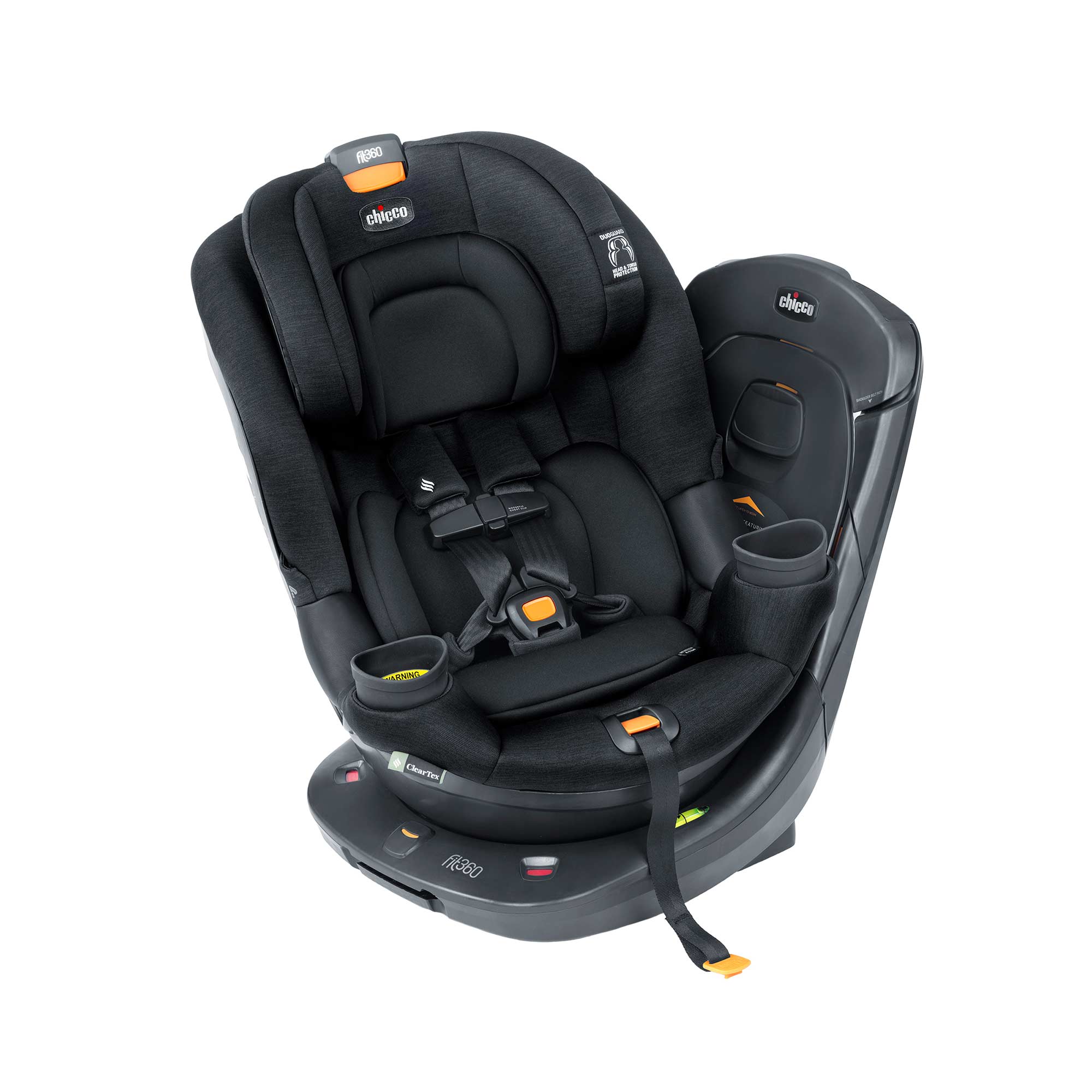
Compare City Turn, Fit360 and Revolve360 designs by rotation mode, vehicle clearance, installation routine and later stages rather than swivel alone.
Distinguish Revolve360 original, Slim and Extend families, verify the exact manufacture period and compare modes, clearance and everyday priorities.
A sleeping child’s head position can be worrying, especially with a newborn or a child who has limited head control. A photograph alone cannot…
Explore examples of seats with a 50-pound rear-facing maximum, and understand why height, head clearance and vehicle fit remain equally important.
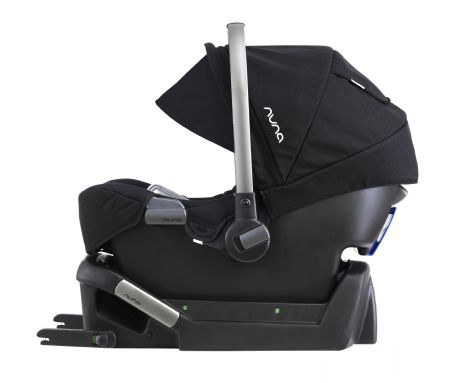
Choose a PIPA by its approved installation options, carrier-base pairing and daily handling needs, with clear distinctions between older and newer models.
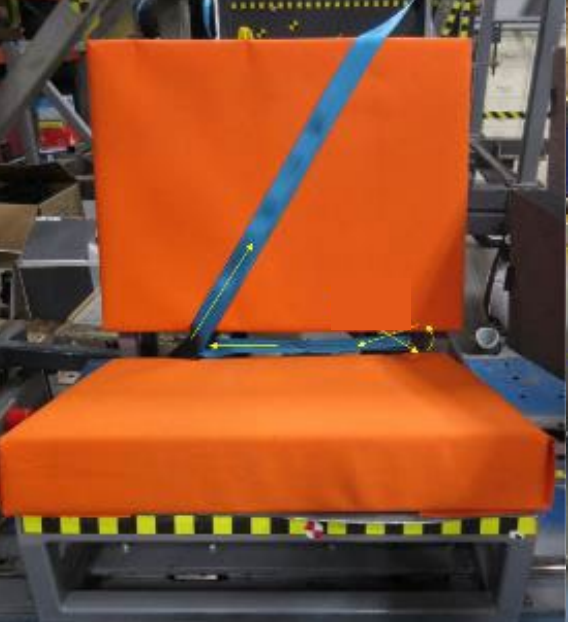
The federal side-impact standard gives applicable child restraints a common performance requirement for a defined laboratory test. It is useful progress, but it does…