Editorial update · Updated October 19, 2026. This page has been rewritten; historical models and events are identified in the text.
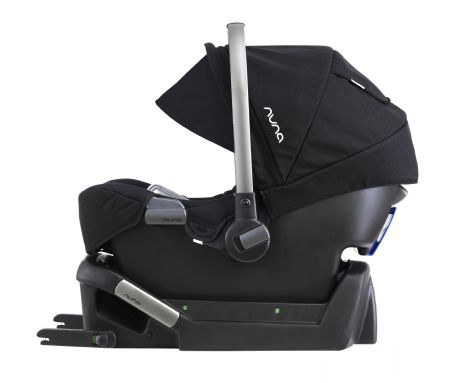
Choosing a Nuna PIPA is easier when the decision begins with your routine rather than the similar-sounding model names. Some families want a carrier that moves easily between a car and stroller. Others need flexibility across several vehicles. Those priorities can lead to different choices within the PIPA range.
Nuna’s official infant-seat comparison is the starting point for the current US lineup. Keep older models separate from newer names and verify the country version: an instruction or accessory pairing from another market is not automatically applicable to a US seat.
Start with installation options
List the places the seat will be used: the main car, a second family car, a grandparent’s car and occasional travel. For each, decide whether a dedicated base would stay installed or whether the carrier’s permitted alternative method is important.
Do not assume every PIPA offers identical options. Read the exact carrier manual, including its vehicle and aircraft instructions if relevant. Some older buying guides overgeneralize from a different PIPA version, so confirm the actual product rather than repeating a blanket claim about the whole family.
Understand where PIPA urbn is different
PIPA urbn is designed without a separate base. Its built-in installation arrangement makes it a different purchasing decision from a PIPA paired with RELX. The US urbn instructions also contain vehicle-belt and aircraft sections, so the approved methods should be checked directly rather than inferred from “baseless” marketing.
That flexibility does not mean every possible vehicle setup is suitable. A family using taxis or unfamiliar vehicles should consider how comfortably the caregiver can identify and perform an approved installation. The urbn guide explores that use case in more detail.
Choose a base for the car you actually use
For compatible PIPA carriers, compare the base’s operation in the intended seating position. Nuna distinguishes the original PIPA-series base from RELX; the better choice depends on the specific fit and routine rather than the assumption that newer hardware is automatically necessary.
The RELX guide examines support-leg and installation questions. If your plan involves two bases, include both vehicles in the trial. A correct, convenient setup in the main car does not establish the same result in a second car.
Compare lifting without losing sight of fit
Empty carrier weight matters most when it affects a task you perform often. Consider the loaded carrier, the route to your home and whether a stroller handles part of the journey. A modest weight difference may be meaningful on stairs and barely noticed when parking beside the entrance.
Try the handle and release with the adults who will use them. Check whether they can lift smoothly through the car’s door opening and avoid assuming that a premium finish improves that movement. The child’s correct harness fit remains a separate requirement from how pleasant the carrier feels to carry.
Match the stroller deliberately
If a travel system is part of the plan, verify the exact stroller, seat and any approved adapter through the relevant manufacturers. “Compatible with PIPA” in a resale listing can omit the model or generation that matters.
Also decide whether you need the car seat to attach to the stroller as often as you expect. Compare the cost and storage of the whole system rather than buying a carrier first and discovering later that the desired stroller needs unavailable hardware.
Evaluate older and used PIPA equipment carefully
Record the manufacture details, history, remaining service life and complete parts for the carrier and any base. Check notices directly with Nuna. Do not buy a used bundle merely because the components click together or a previous owner reports years of successful use.
The used-seat guide provides a structured check. For a new purchase, identify which differences are genuine needs—installation options, handling or compatible equipment—and which are preferences. A PIPA is a strong match when that complete system fits your family, not simply because its suffix appears highest in a product hierarchy.