Editorial update · Updated October 19, 2026. This page has been rewritten; historical models and events are identified in the text.
A combination seat begins as a forward-facing harnessed restraint and later works as a belt-positioning booster. It is not a rear-facing seat. The similar terms used in retail listings can obscure that distinction, so confirm the required stage before narrowing a shortlist by price or dimensions.
Make the harness stage the first comparison
For a child who has outgrown rear-facing but still needs a harness, ask how the shoulder position, seat depth and adjustment range fit the child today. A top weight number alone does not tell you how much usable growth remains. Follow every applicable fit requirement from the model’s manual.
Look at tether and buckle access
Identify an approved tether anchor for the intended seating position using the vehicle manual. A cargo hook with a similar appearance is not an interchangeable anchor. Then check whether caregivers can reach and tighten the harness when adjacent passengers are seated.
Useful models to investigate
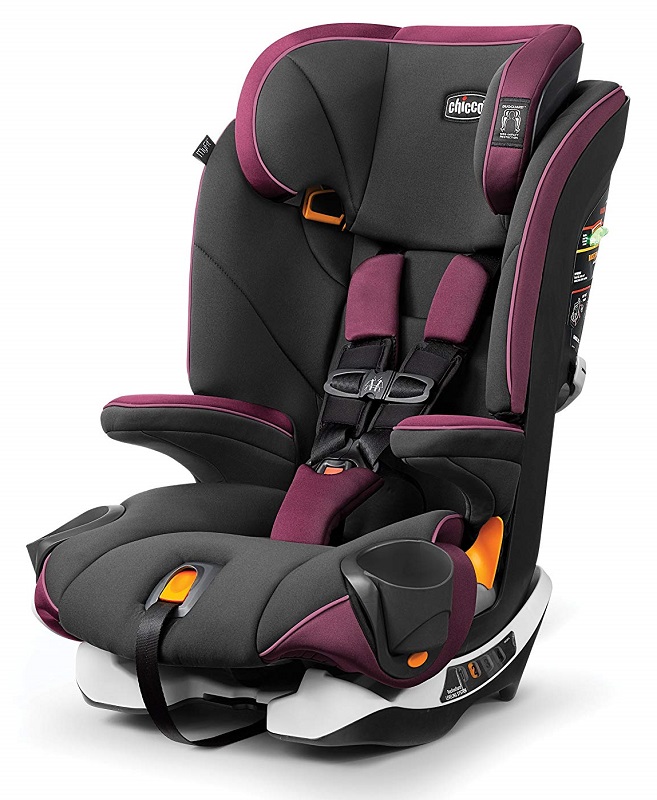
The Chicco MyFit guide, Graco Tranzitions guide and Britax Grow With You guide consider different members of this category. Similar model-family names can hide different installation systems or trim details; compare the exact version offered.
Review the future booster separately
When the child becomes ready for booster use, the vehicle lap-and-shoulder belt replaces the internal harness as the restraint. Check belt routing and positioning afresh. A harness setting that fits beautifully today is not evidence that the same product will give the best booster fit years later.
Ask how the harness is stored, whether any parts must be removed and how easily the child can buckle without twisting the belt. Check the manual’s rules for securing an unoccupied booster. If the child cannot maintain position for the whole trip, reaching a listed minimum is not a reason to rush the transition.
Separate essential requirements from preferences
Washable covers and cupholders may matter to a family, but they come after correct child fit and installation. Make two columns on the shortlist: requirements the product must satisfy, and conveniences you would like. This prevents an appealing feature from masking a problem that will arise on every school run.