Editorial update · Updated October 19, 2026. This page has been rewritten; historical models and events are identified in the text.
An all-in-one car seat combines rear-facing harness use, forward-facing harness use and at least one booster configuration. The appeal is straightforward: buy a restraint now and adapt it as the child grows. The difficult part is predicting whether all those configurations will remain useful in the family’s future vehicles and routines.
Choosing among the best all-in-one car seats starts with the current stage. A seat that may become a useful booster years from now still needs to fit the baby or toddler today. Treat future modes as separate functions to evaluate, rather than a guarantee that another seat will never be needed.
Understand what the mode count includes
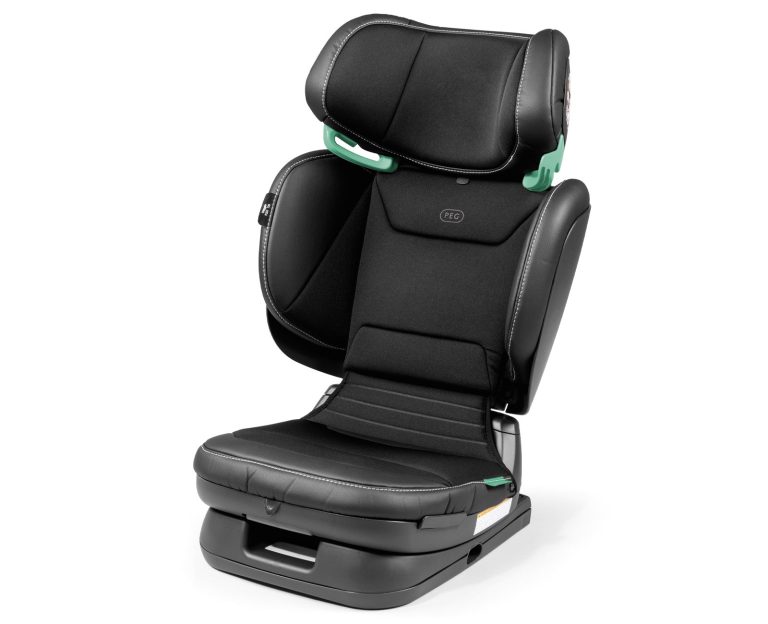
A three-mode product may provide rear-facing, forward-facing and high-back booster use. A four-mode model may add a backless booster. Other naming systems can count functions differently, so read the product description instead of comparing the largest numeral on the box.
Each mode has its own setup, eligibility and outgrowing rules. The maximum weight across all configurations does not describe harness capacity. The seat’s service life also does not guarantee that every child will fit it for that many years.
NHTSA’s guidance helps explain the progression of restraint types. The manual for the exact unit determines how that particular seat may be used.
Decide whether a seat that stays in the car suits infancy
An all-in-one does not provide the same carrier routine as a detachable infant seat. Consider how the baby will travel between vehicle, home and stroller. Families with stairs, frequent taxi journeys or several caregivers may weigh that differently from a household that leaves one restraint installed.
For a newborn, check harness fit and the permitted recline with the child present when possible. The advertised starting weight is only one condition. A very small infant or a child with additional clinical needs may require advice from the appropriate care team and a qualified fitting professional.
Set the vehicle’s front seat for its usual occupant before the trial. Then evaluate the rear-facing restraint behind it, including the adult’s reach to the harness controls and the route through the door. A successful installation should coexist with a usable driving and passenger position.
Compare model families by their useful differences
The examples below cover different priorities. They are a starting point for a fit-based shortlist, not a claim that one model is best in every vehicle.
| Model family | Function to evaluate | Question for the trial |
|---|---|---|
| Graco 4Ever / 4Ever DLX | A family offering harness stages plus high-back and backless booster configurations. | Does the exact version work well now, and are its later conversion steps manageable? |
| Graco SlimFit3 LX | A narrower three-mode design aimed at making shared back-seat space more workable. | Do all restraints install correctly together, with usable neighboring buckles? |
| Britax One4Life ClickTight | An all-in-one with Britax’s belt-installation system. | Can the caregiver repeat installation, and does the shell fit the intended row? |
| Original Nuna EXEC | Three stages with an adjustable leg-rest system that has mode-specific instructions. | Does the required panel arrangement suit the vehicle and the child’s current stage? |
Read the SlimFit3 LX guide, One4Life guide and original EXEC guide for the detailed checks behind those comparisons. Graco’s 4Ever DLX listing identifies that particular version. Similar names such as original SlimFit, One4Life Slim or EXEC next require their own specifications and manuals.
Pay for an installation feature you can actually use
Tensioning systems, lockoffs and accessible belt paths can make a meaningful difference for some caregivers. Their usefulness depends on correct operation in the actual vehicle. Ask to complete the installation yourself and explain the check back to the person assisting you.
Do the same in a second regular vehicle. A different belt buckle, seat contour or head restraint can change the result. Keep lower-anchor installation limits distinct from harness limits, and learn the permitted vehicle-belt method before a change becomes necessary.
If a seat is moved rarely, easy daily harness adjustment may matter more than carrying convenience. If it moves several times a week, the weight, removal process and reinstall routine deserve more emphasis.
Inspect the whole row when space is tight
A narrow base does not show the space occupied higher up by side wings, headrests or cup holders. Place all restraints in the proposed arrangement and check each one as instructed. A neighboring booster passenger still needs a usable buckle and a correct belt route.
Avoid assuming a future booster will fit simply because the harnessed setup fits today. The daily buckling task changes when a vehicle belt secures the child. Leave room in the family plan for reassessment as children change stages.
Prepare for conversion without rushing it
Before changing modes, read the full conversion section and gather the required parts. Keep components removed during one stage in a labeled bag with the manual. Photograph the approved arrangement for your own reference, while continuing to use the instructions as the authority.
Booster use requires readiness as well as eligibility. The child must stay correctly positioned throughout the ride and the lap-and-shoulder belt must fit in the actual vehicle. Our booster-readiness guide develops those checks.
Judge long-term value honestly
An all-in-one can be an economical, convenient choice when its current fit is good and later modes remain suitable. It can also be reasonable to buy a separate booster later, or to pass the still-suitable seat to a younger sibling within its permitted service life and verified history.
Make the purchase around known needs: the child, the vehicle, the caregiver and the routine. After those fit, compare price, cleaning, fabric preferences and storage. That approach gives the seat a useful job immediately while keeping future decisions open to the child’s actual growth.