Editorial update · Updated October 19, 2026. This page has been rewritten; historical models and events are identified in the text.
Looking back at 2020 invites a useful question: which habits made unfamiliar situations more manageable? For families, many ordinary tasks suddenly needed a different plan. Child passenger safety offers a practical way to think about preparation, shared responsibility and the willingness to revise an approach.
Make the next action small enough to understand
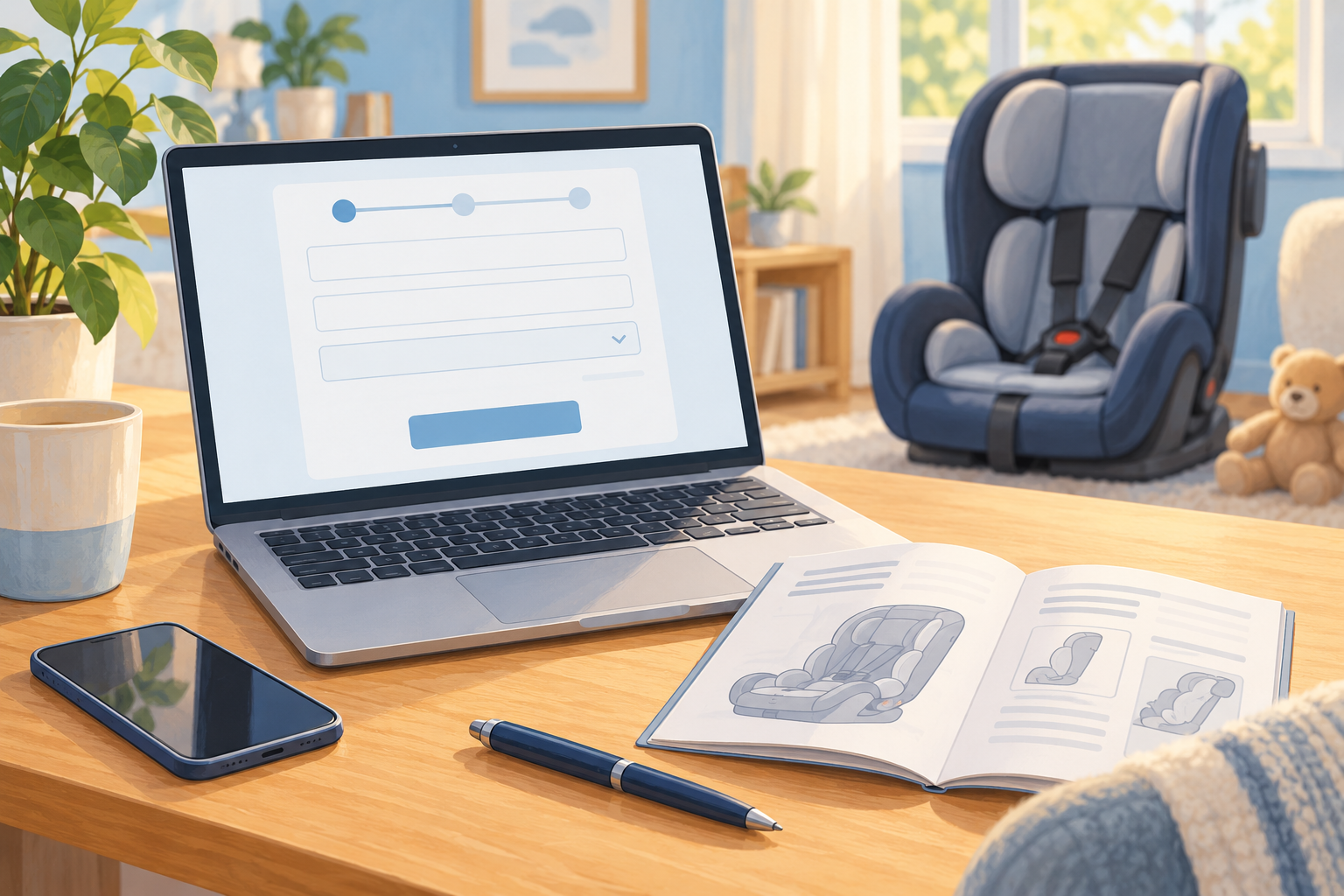
A complete car-seat manual can feel overwhelming when the immediate problem is one confusing belt path. Start by identifying the exact model, the child’s current mode and the vehicle position. Then work through the relevant instructions. Breaking a large task into a clear next action creates room to notice mistakes and ask a precise question.
The same approach can help with a disrupted routine: write down what must happen next, which information is missing and who can supply it. Confidence is more useful when it comes from understanding the process than from rushing to appear certain.
Practice before the moment becomes urgent
Moving a restraint between vehicles for the first time is easier without a departure deadline. The caregiver can locate the correct anchors, understand the locking method and check the finished installation. Learning those steps ahead of time also shows whether the plan needs different equipment or a different seating position.
Preparation does not mean anticipating every possible problem. It means rehearsing the changes already visible: a new childcare arrangement, a different driver, a growing child or a family trip. Leave enough time for the first attempt to reveal a question.
Share knowledge as well as responsibilities
When only one adult understands a task, their absence can turn an ordinary handoff into uncertainty. Explain the restraint’s relevant settings to other caregivers and have them demonstrate the process. A short, specific explanation is easier to use than “just do it the usual way.”
Asking for help is part of that shared responsibility. NHTSA provides installation guidance and an inspection-station directory; some programs offer virtual appointments. A question about a model-specific part belongs with its manufacturer. Choosing the right source is itself a useful skill.
Allow a plan to change when the facts change
A child grows, a seat reaches a limit, or a vehicle changes. A setup that worked before deserves a fresh check at those transitions. Revising it is not evidence that the previous effort was wasted. It is how a useful routine stays aligned with the people using it.
For concrete next steps, see how to prepare for a car seat check and how to discuss a safety concern respectfully. A manageable routine leaves room for questions, practice and the next change a family needs to make.