Editorial update · Updated October 19, 2026. This page has been rewritten; historical models and events are identified in the text.
A virtual car seat check can help a caregiver work through confusing instructions without traveling to an inspection station. Its value comes from a conversation about your actual child, restraint and vehicle, followed by practice you can repeat. The camera is a teaching tool; a quick photo of the finished installation is rarely enough to answer every question.
Find a service that matches your needs
NHTSA’s inspection-station directory includes programs that may offer virtual appointments. Ask the provider whether a certified Child Passenger Safety Technician will conduct the session, what technology it uses, whether there is a fee and whether it can address your specific concern. Availability and scheduling belong to the individual program. This article is a preparation guide, not an appointment-booking service.
Explain unusual circumstances before reserving a time: three restraints across one row, an older vehicle, a child with medical positioning needs, a recent crash or missing parts. The provider can then decide whether remote guidance is appropriate or arrange a more suitable referral.
Gather information before opening the video call
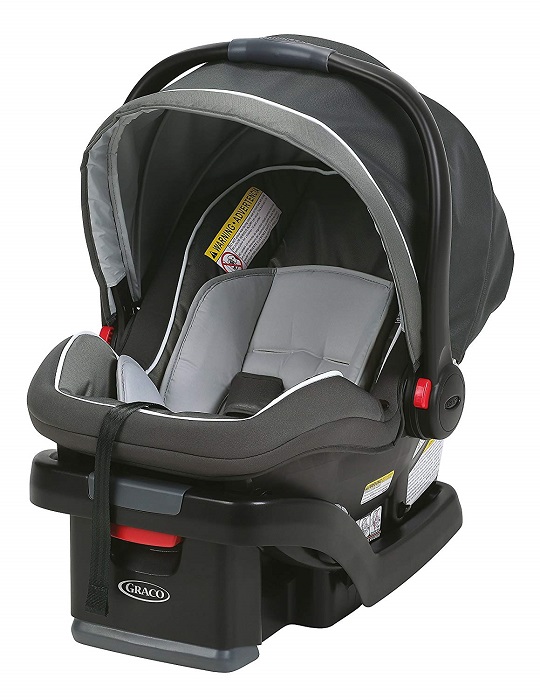
- Find the car seat’s model name, model number and manufacturing date, plus its manual.
- Have the vehicle owner’s manual and the child’s current height, weight and age available.
- Write down the seating position, installation method and the exact problem you want to solve.
- Set aside any accessories or parts you are unsure about so the technician can identify them.
Park in a safe, legal place with enough light and room to open the doors. Check the connection and battery beforehand. A second adult can hold the phone while you follow instructions; a stable phone stand can also help. Never conduct the appointment while driving. Arrange supervision for children so your attention can stay on the task.
Expect to demonstrate the process
You may be asked to show labels, locate a belt path, identify an anchor, adjust a harness or reinstall the seat. Move the camera slowly and ask the technician to confirm that the detail is visible before proceeding. If a child participates in a harness-fit check, plan for a short session at a comfortable time rather than expecting them to wait through every installation step.
Ask why each change matters and then repeat it yourself. Keep a brief record of model-specific settings and any instruction pages discussed. A useful outcome is knowing how to restore the installation after cleaning, switching vehicles or adjusting for growth.
Know when to arrange an in-person follow-up
A camera cannot provide every view or settle all questions about damage, unusual hardware or vehicle compatibility. If the provider cannot verify something, treat that as an unresolved question. Contact the manufacturer or arrange an in-person check before relying on the disputed setup.
For preparation, review the common car-seat checks and installation troubleshooting. If locating or identifying lower anchors is the issue, bring the questions from the center-seat LATCH guide to your appointment.