Editorial update · Updated October 19, 2026. This page has been rewritten; historical models and events are identified in the text.
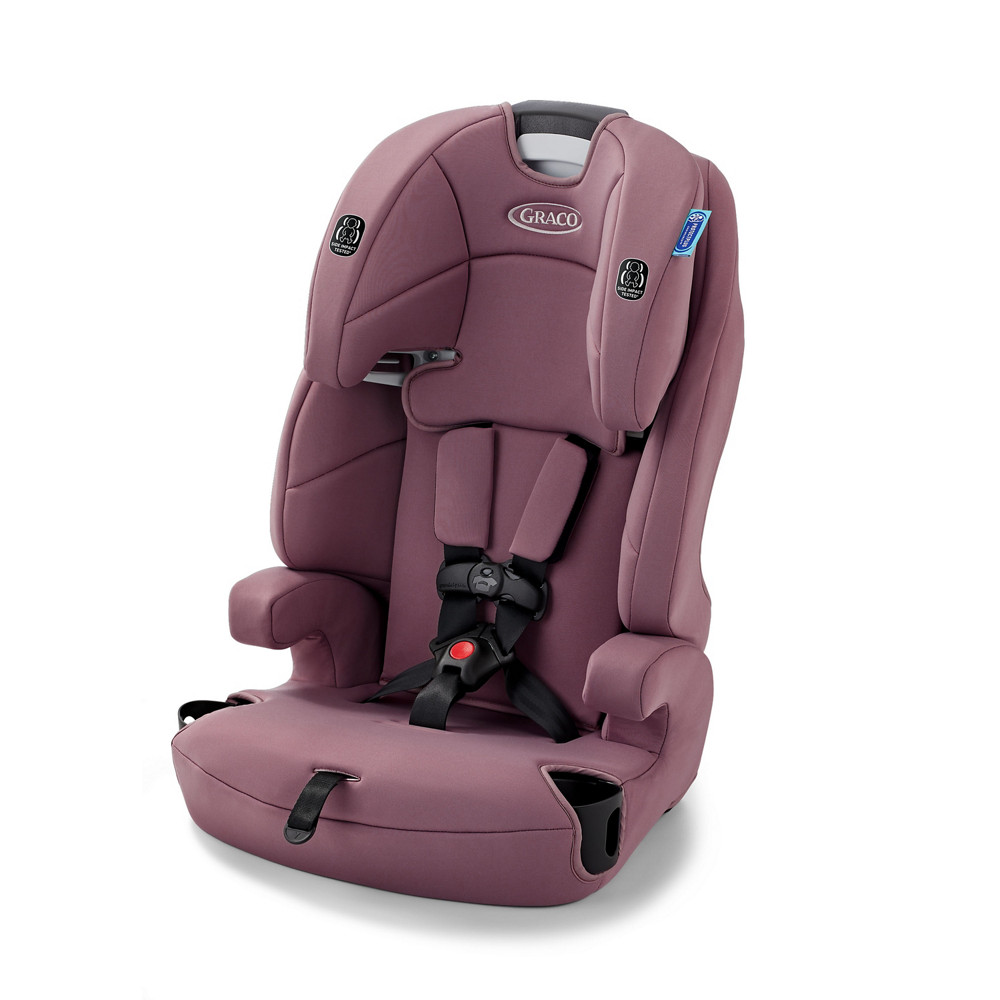
The Graco Tranzitions is aimed at the part of childhood after rear-facing travel: first a forward-facing harness, then high-back and backless booster configurations. Its three modes can make it a useful seat to compare for a growing child, provided the family evaluates each stage independently.
The name has appeared on seats made over several years. Current product limits and older manuals may differ. A review of an earlier Tranzitions should not be used as the instructions for a new one, or vice versa.
Identify the model before comparing the numbers
Record the model number and manufacturing date from the label, then use Graco’s instruction lookup to obtain the matching guide. The current Tranzitions listing describes today’s advertised version; the earlier Tranzitions/Wayz manual provides historical context for those models.
This is especially important when shopping secondhand or comparing an older seat with a current sale listing. The largest booster weight is not the harness capacity. Minimums for a later mode should not be read as a recommendation to move a younger child into that mode immediately.
The Graco Tranzitions height limit is mode-specific
For current US model 2217738, Graco lists a maximum standing height of 49 inches in harness mode and 57 inches in booster mode. The child must also meet every other requirement, including harness or belt fit and the mode’s minimums. Earlier versions need their own labels and instructions. A child can outgrow the permitted fit before reaching the largest printed height or weight.
Check that forward-facing is the appropriate next step
Tranzitions does not offer rear-facing use. If a child still needs a rear-facing restraint, a convertible or suitable all-in-one belongs on the shortlist instead. The word “toddler” in an advertisement does not establish that the seat is appropriate for every toddler.
For a child ready for a forward-facing harness, evaluate the available growth room and the caregiver’s ability to tighten the harness correctly. The no-rethread adjustment on the Tranzitions family can make height changes convenient, but the harness must still be set to the required position for the child.
Try the harness installation in the actual vehicle
Bring the seat and vehicle manuals to the trial. Identify the correct belt path, permitted installation method and designated top-tether anchor. Keep lower-anchor limits separate from the seat’s harness limits, and use the allowed vehicle-belt method when appropriate.
Pay attention to the vehicle buckle. Its position relative to the restraint’s belt path can affect whether the prescribed installation works. A different seating position may produce a different result. Get help assessing the fit if the seat remains loose or the belt cannot be routed as shown, rather than adding an unapproved accessory.
For regular transfers, ask the adult who will move the seat to complete the installation independently. Portability is only useful if each reinstall is reliable. Practise while parked and unhurried, including where unused connectors should be stored.
Treat booster conversion as a fresh fitting
In booster mode, the child is secured by the vehicle’s lap-and-shoulder belt. Follow the model’s conversion directions for the harness and other components, then assess the belt with the child sitting normally. A harness fit that worked well does not establish a good booster fit automatically.
Check that the child can remain in position on a realistic journey. Buckling independently is a useful skill, but an adult still needs to verify the route and fit. See the booster-readiness guide before changing modes.
Backless use brings another evaluation of head support, shoulder-belt placement and the vehicle seat. Do not remove the back just to create more room beside another restraint if the resulting arrangement fails the instructions or the child’s needs.
Compare it with the job you need done
Tranzitions may appeal when a family wants a forward-facing seat that can later serve as a booster. Compare it with the Chicco MyFit and other options in the combination-seat buying guide using the same criteria: correct stage, installation, harness growth room, buckle access and the child’s eventual booster fit.
A low purchase price or three listed modes can be useful advantages, but they should follow a successful fit check. The best value is a seat that remains complete, easy to operate and suitable for the actual passengers throughout the modes you use.