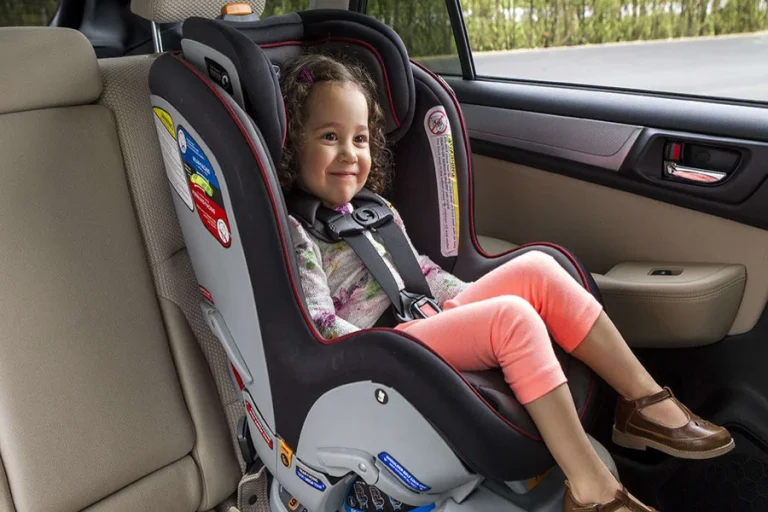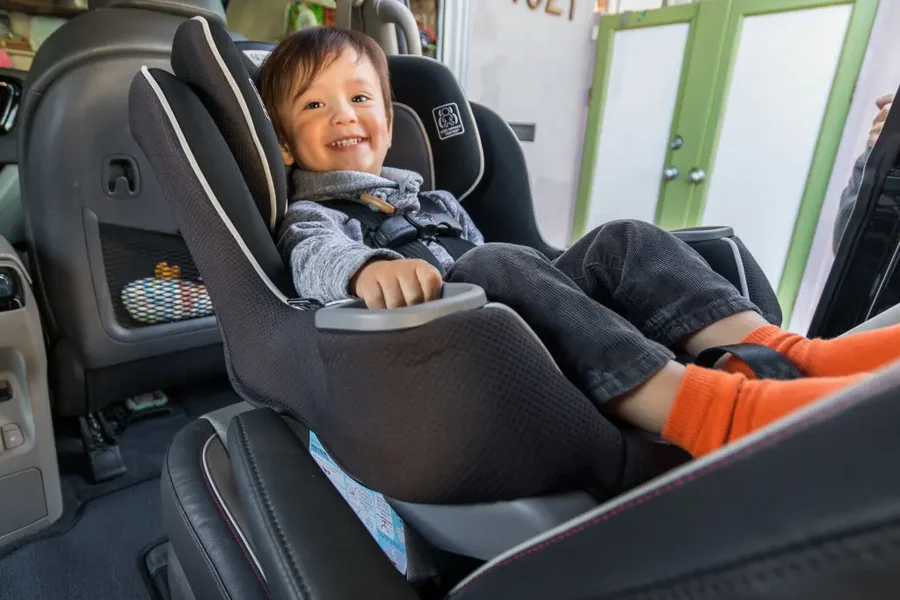
The custody exchange is in ten minutes, and the car seat is still in the other parent’s garage. One parent thought it was coming with the child. The other assumed a replacement had already been purchased. Now everyone’s standing in the driveway, trying to solve a problem that should have been settled days ago.
For separated parents, car seats can become an unexpected source of conflict. But unlike disagreements over forgotten clothing or school supplies, mistakes involving child restraints have immediate safety implications. A few practical arrangements, ideally addressed in the parenting plan, can make transportation safer and exchanges considerably easier.
Decide Where the Car Seats Will Stay
Sharing one car seat between two households sounds economical, particularly when a high-quality convertible seat can cost several hundred dollars. The problem is that frequent transfers create more opportunities for installation mistakes, forgotten equipment, and rushed adjustments.
Infant seats with detachable carriers and compatible bases may be easier to share. Convertible and combination seats are generally less convenient to move regularly, especially when each vehicle has different seating positions or installation requirements.
For families who can afford it, keeping an appropriate car seat installed in each vehicle that routinely transports the child is often the simpler arrangement. The seats don’t need to be identical, but both must fit the child, fit the vehicle, and be used according to their instructions.
When purchasing a second seat isn’t financially realistic, parents can agree on a specific transfer routine. The important part is making sure the child always has a properly installed restraint before anyone starts driving.
Put the Practical Details in Writing
A parenting plan doesn’t need pages of technical car seat instructions. It does help to establish responsibility before a disagreement arises. Parents working with family law attorneys can consider addressing several straightforward questions:
- Purchasing: Who pays for car seats, replacement parts, and future upgrades?
- Availability: Will each household maintain its own seat, or will one travel with the child?
- Installation: Who is responsible for ensuring the seat is installed correctly in each vehicle?
- Replacement: How will parents handle expired, damaged, recalled, or outgrown restraints?
- Transitions: How will decisions about rear-facing, forward-facing, and booster seats be made?
These arrangements should accommodate changing vehicles, growing children, and manufacturer instructions rather than locking families into a particular seat model or age-based transition schedule.
Installation Mistakes Don’t Respect Custody Schedules
Moving a seat between vehicles isn’t inherently unsafe. The concern is whether it’s installed correctly every time.
According to NHTSA’s car seat installation guidance, a properly installed restraint should move no more than one inch side to side or front to back when tested at the belt path. Caregivers should follow both the car seat and vehicle manuals when choosing an installation method.
Most seats are installed using either the vehicle seat belt or lower anchors, not both, unless the manufacturers specifically permit simultaneous use. For forward-facing harnessed seats, the top tether should also be used when required or recommended by the instructions, including with a seat belt installation. Lower-anchor weight limits must be respected.
That last detail is particularly easy to overlook when a child uses different seats in different vehicles.
A certified Child Passenger Safety Technician (CPST) can help parents understand each installation and learn to repeat it correctly. A technician check isn’t a substitute for caregivers knowing how to install and use the restraint themselves, and it generally doesn’t need to happen after every routine reinstall.
Don’t Rush the Next Car Seat Stage
One household may be ready to turn a toddler forward-facing while the other still uses a rear-facing seat. A preschooler might ride in a harnessed seat with one parent and a booster with the other.
Different seats aren’t necessarily a problem. Premature transitions can be.
Children should remain rear-facing until they reach the rear-facing height or weight limit of their seat. After turning forward-facing, they should use an appropriate harnessed restraint until they outgrow its limits. Booster seats come next, with the vehicle seat belt used alone only when it fits correctly.
State laws establish minimum requirements, but those minimums don’t always reflect best-practice recommendations. Parents should use the child’s measurements, the seat’s limits, and current safety guidance rather than assuming a birthday automatically signals the next stage.
When disagreements arise, a CPST can provide practical guidance. The nonprofit Car Seats for the Littles explains what to expect from a CPST appointment, including how caregivers can participate in learning proper installation.
Plan for Crashes, Recalls, and Unexpected Changes
A parenting plan should also address what happens when a seat can no longer be used.
Some manufacturers require replacement after any crash. Others follow criteria similar to NHTSA’s guidance, which recommends replacing seats after moderate or severe crashes but does not necessarily require replacement after a minor crash. Manufacturer instructions take priority.
Expiration dates, recalls, missing components, and damage can also affect whether a seat remains suitable. Parents should communicate promptly about these issues and have a plan for obtaining a safe replacement before the child’s next ride.
Ultimately, the most useful car seat agreement isn’t the most complicated one. It’s the arrangement that ensures both parents know which restraint to use, how to install it, and what to do when the child’s needs change. The custody schedule may be divided between two homes, but safe transportation should be consistent in both.