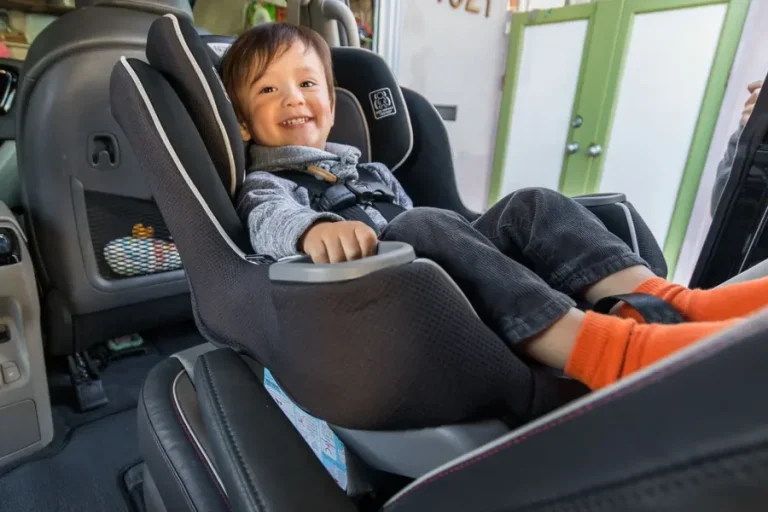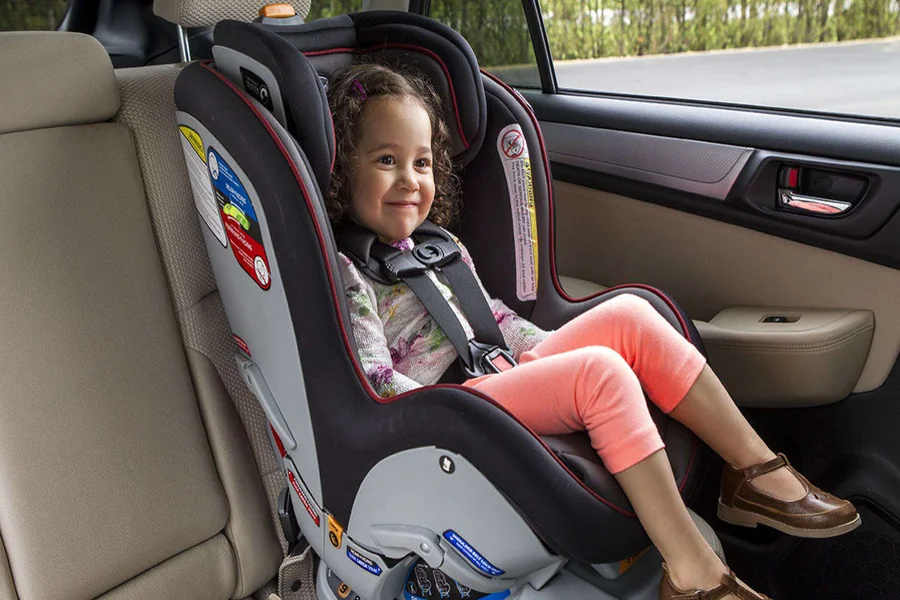
You had your child’s car seat checked by a certified technician, followed the installation instructions, and made sure everything was secure. Two years later, you’re still using the same seat in the same vehicle. Nothing has come loose, and the seat doesn’t seem to have moved.
But your child has grown, and that can change whether the original installation method is still appropriate. Lower anchors, one component of the LATCH system, have weight limits that are easy to overlook. A car seat that was correctly installed with lower anchors when a child was younger may eventually need to be installed using the vehicle seat belt instead.
Understanding the 65-Pound Rule
For many car seats manufactured since February 2014, the lower-anchor weight limit is based on the combined weight of the child and the car seat, with a maximum combined weight of 65 pounds under the applicable federal requirements. Manufacturers generally provide a maximum child weight for lower-anchor use, so parents don’t have to calculate it themselves.
However, 65 pounds isn’t a universal limit that applies to every seat and vehicle combination. Some seats have lower limits, and the vehicle manufacturer’s instructions also matter. Parents should follow the applicable limits in both manuals.
Car Seats for the Littles explains how these restrictions work and why lower-anchor limits can differ between car seats.
The important point is that a child can outgrow the lower-anchor installation method without outgrowing the car seat itself.
When a Previously Correct Installation Needs to Change
Imagine a family that visits a car seat fitting station when their child weighs 25 pounds. A certified child passenger safety technician helps them install a convertible seat using the lower anchors, checks the fit, and explains how to secure the child properly.
At that appointment, everything is correct.
A few years later, the child weighs 45 pounds. If the seat weighs 25 pounds and its lower-anchor child weight limit is 40 pounds, the family should already have switched to a seat belt installation. The seat may still be appropriate for the child’s height and weight, but the original installation method is no longer permitted.
This is why car seat safety isn’t a one-time inspection. As children grow, parents need to revisit harness height, recline requirements, installation limits, and the manufacturer’s instructions. A successful fitting-station visit confirms the installation at that time, not indefinitely.
Heavier convertible and all-in-one seats can reach their lower-anchor limits while children are still relatively young. That doesn’t make them less safe or mean parents should avoid heavier models. It simply makes checking the specific limit especially important.
Switching to the Seat Belt Doesn’t Mean Losing the Tether
Once a child exceeds the permitted lower-anchor weight, parents generally need to reinstall the seat using the vehicle seat belt, following both the car seat and vehicle instructions.
For forward-facing harnessed seats, the top tether remains an essential part of the installation.
The tether helps limit forward movement of the child’s head during a crash. It serves a different purpose from the lower anchors and can generally be used with either a lower-anchor or seat belt installation, subject to the applicable instructions and limits.
NHTSA’s car seat installation guide explains how these components work together. Parents should use the top tether for forward-facing harnessed installations whenever permitted and directed by the manufacturers.
After switching installation methods, check that the car seat moves no more than one inch side to side or front to back when tested at the belt path. The seat belt must also be properly locked according to the vehicle and car seat instructions.
Could an Outdated Installation Matter After a Crash?
An installation that exceeds the manufacturer’s lower-anchor limit may become relevant if a child is injured in a collision. Investigators might examine the car seat’s instructions, the child’s weight, the installation method, and whether the restraint performed as intended.
That doesn’t mean an installation error automatically caused or worsened an injury. Nor does it mean parents are responsible for a collision caused by another driver. Establishing whether a particular installation contributed to an injury requires evidence and, potentially, specialized analysis.
Legal consequences also vary by state. In some circumstances, an insurance company or opposing party may question whether the installation affected the severity of the child’s injuries. A car accident attorney may help families understand how those questions relate to an injury claim.
If a serious crash raises concerns about restraint performance, families should seek appropriate guidance before modifying or disposing of the seat. A seat involved in a crash should not be reused unless its manufacturer permits reuse under the circumstances.
A Quick Check That Shouldn’t Wait for the Next Appointment
Parents don’t need to wait for another fitting-station visit to review the lower-anchor limit. The car seat’s labels and instruction manual should identify when a seat belt installation becomes necessary, and the manufacturer can help clarify confusing instructions.
A certified child passenger safety technician can also help with the transition, particularly when the vehicle’s seat belt locking mechanism or tether routing is unfamiliar.
The reassuring part is that outgrowing the lower anchors doesn’t necessarily mean buying another car seat. In many cases, the same restraint can continue protecting the child with a properly installed seat belt and, when appropriate, the top tether.
The seat may look exactly as it did at the last inspection. It’s the child’s growth that makes another look worthwhile.