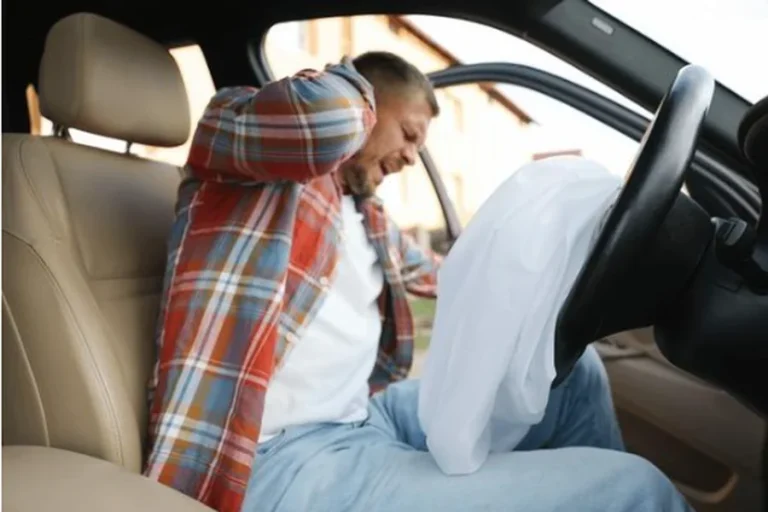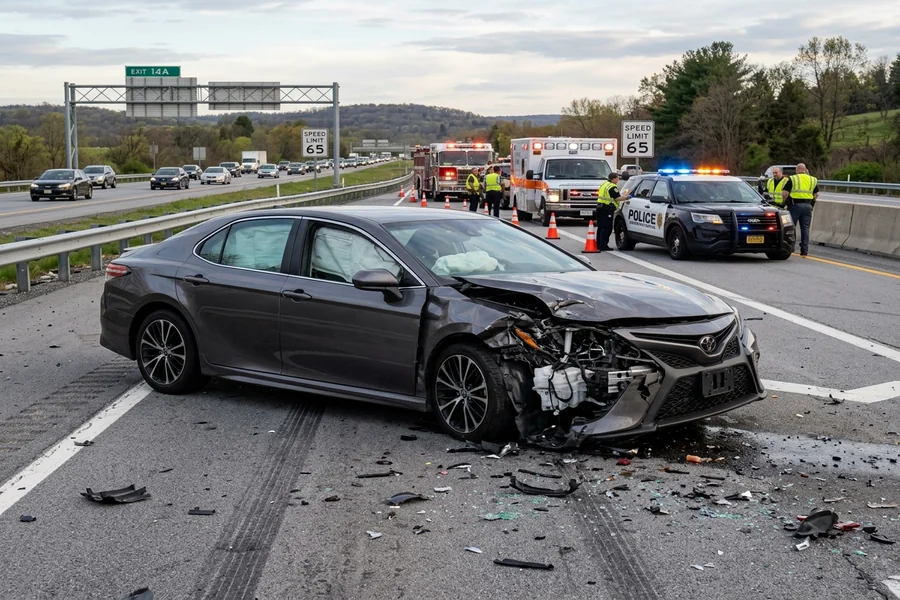
The replacement car seat has arrived, the insurance claim is moving along, and the old seat is sitting in the garage waiting for trash day. For most parents, getting rid of it feels like the final step after a frightening accident.
But what if the seat needs to be examined later?
A car seat involved in a crash can sometimes provide useful information about its installation, condition, or performance during the collision. That doesn’t mean every damaged seat needs to be stored indefinitely. It does mean families should understand when preservation may be appropriate before cutting the straps and throwing it away.
Replacement Comes First, but Disposal Can Wait
The first question after a crash is whether the car seat can be used again. The answer depends on the severity of the collision and the manufacturer’s instructions.
The National Highway Traffic Safety Administration recommends replacing car seats after moderate or severe crashes. Seats involved in minor crashes may not need replacement, but only when all five of NHTSA’s criteria are met: the vehicle was drivable, the door nearest the seat was undamaged, no occupants were injured, airbags didn’t deploy, and the seat shows no visible damage.
Manufacturers can have stricter requirements. Some instruct families to replace their seats after any crash, even when the child wasn’t riding in them. As Car Seats for the Littles explains, the manual for the specific seat should guide the decision, and parents can contact the manufacturer when the instructions are unclear.
A seat that requires replacement shouldn’t be used for another trip. Preserving it for possible examination is a separate decision from whether it’s safe to transport a child.
What Can the Old Seat Actually Show?
A crashed car seat may contain information that photographs of the damaged vehicle cannot capture. Its installation hardware, harness routing, shell, and energy-absorbing materials can sometimes help a qualified investigator understand how the restraint was installed or whether a component was damaged.
Consider a crash in which a child suffers a serious injury despite being properly restrained. Investigators might need to examine whether the seat was installed according to its instructions, whether the harness was positioned correctly, or whether a component failed.
That examination requires expertise. A crack in the plastic doesn’t reveal exactly how much force reached the child, and the absence of visible damage doesn’t establish that the seat is safe to reuse. Car seats are engineered systems, and their performance cannot be reliably reconstructed from a quick visual inspection.
In most crashes, there will be no reason for a detailed forensic examination. But when an injury, suspected product defect, or disputed installation issue raises questions, the original seat may be worth preserving.
When the Insurance Company Wants the Seat Destroyed
Insurance reimbursement introduces a practical complication. A company may request photographs, proof of purchase, the manufacturer’s replacement instructions, or a receipt for the new seat. Coverage and documentation requirements vary by policy and circumstances.
Some insurers also ask families to disable a replaced seat before disposal so it cannot be recovered and used by another child. Cutting the harness straps and marking the shell are common ways to prevent reuse.
Those steps make sense when the seat is ready for disposal. They are less appropriate when its original condition may need to be examined.
If a child was seriously injured or there is a concern about the restraint’s performance, parents can ask the insurer about preserving the seat before making irreversible changes. An injury attorney may also advise whether the seat should be retained and how to document its condition.
An insurance payment for a replacement seat doesn’t necessarily resolve a separate injury claim.
A Few Details Are Easier to Preserve Immediately
If it’s safe to do so, photographs taken before the seat is removed from the vehicle can be particularly useful. They may show the installation method, belt routing, lower anchor connections, tether attachment, and position of the seat relative to the vehicle interior.
Parents should also record the manufacturer, model number, date of manufacture, and any available serial number. Those details help identify the exact restraint, check for recalls, and locate the appropriate instructions.
If the seat is being retained for examination, avoid washing the cover, cutting the straps, or taking apart components unless directed by a qualified professional. Keep it in a secure, dry location where it cannot accidentally be used again, and document any changes made during emergency care or removal from the vehicle.
Medical care remains the priority. Children should be evaluated promptly when symptoms or the circumstances of a crash warrant attention, and new or worsening symptoms should be discussed with a healthcare professional.
Knowing When to Let It Go
Most families will eventually dispose of a crashed seat according to the manufacturer’s guidance and any applicable insurance requirements. Before doing so, it’s worth confirming that nobody needs to inspect it and that the relevant photographs and records have been saved.
Once preservation is no longer necessary, the seat should be made unusable before disposal to prevent another family from unknowingly relying on a potentially compromised restraint.
A car seat’s most important job is protecting a child during a crash. Afterward, the priority shifts to ensuring that the child rides safely in an appropriate replacement. Occasionally, the old seat has one more role to play: helping explain what happened.
Knowing when to preserve it, and when to dispose of it, allows parents to make both decisions with confidence.