Editorial update · Updated October 19, 2026. This page has been rewritten; historical models and events are identified in the text.
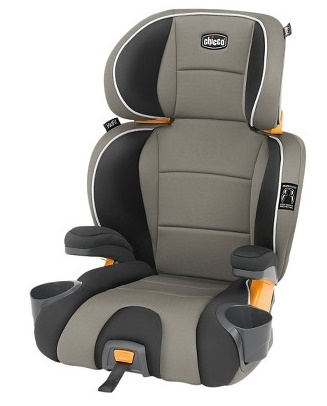
The best booster with a back is one that fits the child and vehicle and allows correct belt positioning throughout the trip. A high-back design can help organize the belt route, but it does not make every child ready for booster use or every vehicle position compatible.
This address contains 2022 because it began as a dated buying guide. The revised article uses a fit-based approach and model-specific links rather than presenting an old ranking as current test evidence.
Begin with readiness, not the birthday
Check the booster’s stated requirements and whether the child can remain seated correctly even when tired. A booster uses the vehicle belt as the restraint; it does not provide the same positioning control as an internal harness. If the child leans out of place or repeatedly moves the shoulder belt, address that issue before treating a minimum weight as a green light.
Examine the lap and shoulder sections separately
NHTSA describes correct positioning with the lap belt low across the upper thighs and the shoulder belt across the chest. Follow the booster’s designated route, including any armrest or guide instructions. Then have the child move naturally and return to position to see whether the belt retracts appropriately.
A belt that catches in a guide deserves attention even if the initial photograph looks good. Likewise, a child who needs to scoot forward to bend the knees comfortably may change how the belt lies. Evaluate the whole seated posture.
Check support behind the booster
Read both manuals concerning the vehicle head restraint and seat back. Some combinations require support behind the booster; others have different conditions. Do not remove a vehicle head restraint just to make the booster appear flush unless the instructions permit that arrangement.
Compare candidates by the question they raise
The Maxi-Cosi RodiSport guide is a starting point for investigating that high-back family and its permitted configurations. The Peg Perego Viaggio Flex 120 guide discusses a different design. Neither is a universal recommendation; use the product manuals and the actual child to decide.
If you are considering a combination seat already in the household, compare its booster mode against a dedicated booster. The conversion may be convenient, but the previous harness fit does not predetermine the new belt fit.
Test buckling in the real seating row
Put neighboring restraints and passengers in place during the trial. Check whether the child can reach the intended buckle without twisting the belt or moving another installed seat. Teach the adult to verify the final result rather than assuming that an audible buckle means the belt route is correct.
Plan for sleep, carpools and growth
Discuss how the child will sit when sleepy and when a different adult drives. Use only approved accessories and adjustments; do not add a head strap to keep the child upright. A new vehicle means a new belt-fit check, even with the same booster.
Adjust the headrest as directed while the child grows, and secure the unoccupied booster according to the manual. When considering a later move to backless use or the vehicle belt alone, reassess the whole fit. Neither transition should be based solely on the wish to carry less equipment.
Explore the next question
Compare high-back fit questions · Understand backless booster requirements · Explore booster readiness