Editorial update · Updated October 19, 2026. This page has been rewritten; historical models and events are identified in the text.
Knowing that children need car seats is only the beginning. Families also need a plan that survives hurried pickups, different drivers, a growing child and a vehicle already full of passengers. The useful question is where the routine is most likely to break down, and how to solve that problem before the next ride.
Define the correct restraint for each child
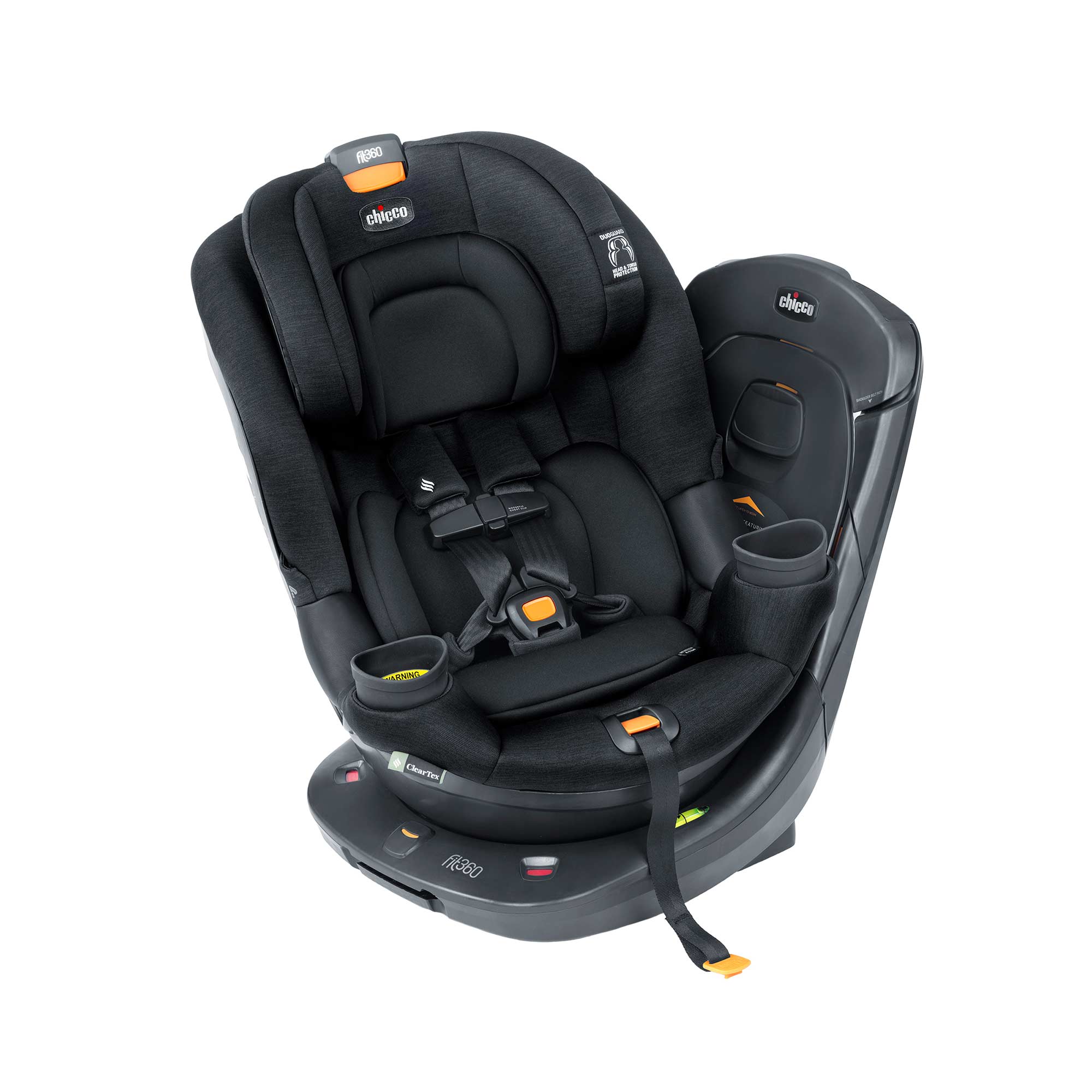
NHTSA recommends choosing a restraint for the child’s age and size, keeping it in use through its applicable limits and following both vehicle and restraint instructions. The sequence generally moves from rear-facing to forward-facing harness use, then a booster, then the vehicle belt once that belt fits correctly. A birthday, a sibling’s needs or an appealing sale does not by itself establish readiness to move on.
Record the current mode and the next outgrowth checks. A child can reach a height-related limit before a weight limit, and booster readiness also depends on sitting correctly throughout the trip. Recheck when clothing seasons change, after adjusting the harness or whenever another caregiver raises a fit concern.
Plan for the difficult ride, not only the regular commute
List the people who may collect the child: a partner, grandparent, friend, school contact or occasional sitter. Decide whether each vehicle will have its own suitable restraint or whether one will be transferred. If transferring, the receiving adult needs the instructions and enough time to install it properly.
For carpools, count usable seating positions and appropriate restraints before counting invitations. An adult belt is not an interchangeable backup for a child who still needs a car seat or booster. The same planning applies to a short journey; distance does not change the fit requirements of the restraint.
Address obstacles directly
If cost is the barrier, ask local child-passenger-safety programs whether they offer education, reduced-cost equipment or referrals. NHTSA’s inspection directory can help locate a starting point, but availability and eligibility vary by program. An expensive model is not required simply because it has more advertised features; an appropriate seat that the caregivers can use correctly is the practical objective.
If space is the barrier, compare actual installations rather than adding manufacturer width numbers. Adjacent seats, belt buckles, head restraints and vehicle contours interact. A narrower restraint or an approved seat-belt installation may help, but no arrangement should depend on an unsupported anchor, blocked buckle or prohibited overlap.
If the child resists the restraint, use a predictable loading routine and age-appropriate choices that do not alter safety requirements. Allow time for buckling, explain what will happen next and stop safely to resolve a problem. Do not attempt to repair a child’s belt position while driving.
Keep the conversation practical
When another caregiver is unsure, demonstrate the relevant adjustment and ask them to repeat it. “Use this belt path and this locking method” gives them something specific to do. Blame is less useful than identifying whether the problem is missing equipment, confusing instructions or an unrealistic handoff plan.
Review booster readiness, use a car seat check for a difficult fit, and read how to raise a safety concern respectfully. Consistent restraint use becomes easier when every adult has the equipment, information and time needed for the actual journey.