Editorial update · Updated October 19, 2026. This page has been rewritten; historical models and events are identified in the text.
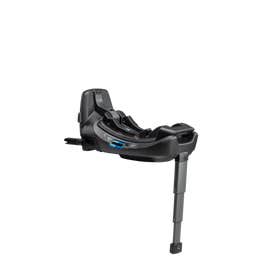
The RELX base is worth evaluating separately from the infant carrier that clicks into it. The carrier affects lifting and child fit; the base determines much of the daily installation arrangement in the car. A more adjustable base may be useful, but the extra features matter only when they address a specific need in your vehicle.
Nuna’s PIPA base comparison distinguishes the original PIPA-series base from RELX. Before considering an upgrade, check the exact carrier pairing. In particular, PIPA urbn follows a different baseless design and is not a RELX-base purchase scenario.
What should an upgrade accomplish?
Start by describing the problem with the current arrangement. Perhaps the desired position is difficult to install in, the caregiver needs easier access to an adjustment, or another vehicle will be used regularly. “Newer” is not itself a problem to solve.
RELX includes features intended to give caregivers more installation adjustment. The manufacturer’s manual explains the base’s recline, rigid connectors, belt route and support leg. Consider those features as a system: changing one setting does not remove the need to satisfy the other installation requirements.
If an existing approved base installs correctly and is convenient to use, an upgrade may offer little practical benefit. Conversely, a fit issue should be resolved before comparing upholstery or carrier accessories. Ask for a vehicle-specific demonstration rather than buying on the assumption that more adjustments always mean a successful fit.
Study the support-leg location
The support leg is an important part of the base’s design, and its permitted use depends on the actual setup. Review both Nuna’s instructions and the vehicle manual before using a position with an underfloor compartment, unusual floor surface or other restriction.
A sensible trial checks the base at the child’s required recline and the leg in its prescribed configuration. Look at where the front passenger’s seat needs to be and whether its normal movement affects the arrangement. Do not use the leg as a general-purpose leveling tool or devise an unsupported way to make it reach.
Compare belt and connector access
Different vehicles can make the same installation control easier or harder to reach. Evaluate the approved method you intend to use, including how to remove the base later. A task that is straightforward in a showroom may be awkward between closely spaced rear seats or beside another restraint.
For a household moving equipment frequently, removal effort can be as important as installation effort. For a base that stays in one vehicle, the initial process may matter less than repeated carrier connection and release. These are different reasons to value a feature, so give them separate weight in your comparison.
Think about the carrier, not just the base
A well-installed RELX does not establish the child’s harness fit in the carrier. Confirm the matching carrier’s inserts, adjustments and outgrown criteria independently. Keep both manuals accessible, because a base manual cannot provide every instruction for the seat attached to it.
If you are choosing among carriers, the PIPA model guide helps separate carrying weight, approved installation options and stroller needs. The PIPA urbn guide covers the different questions that arise when there is no separate base.
Decide whether one or two bases suits the routine
Map a normal week: daycare, work trips, weekends and other caregivers. A permanently installed approved base in each regularly used car may reduce repeated setup. For occasional travel, confirm the exact carrier’s permitted alternatives rather than assuming all PIPA seats offer the same options.
The second-car RELX checklist is useful for that handover. Include the manufacturer labels, registration and instructions in your records, and verify the history of any used base before accepting it.
The strongest case for RELX is a specific improvement in fit or daily handling. It should leave the household with a clear, repeatable routine and an approved carrier-base combination, rather than simply a more expensive piece of equipment under the seat.