Editorial update · Updated October 23, 2026. This page has been rewritten; historical models and events are identified in the text.
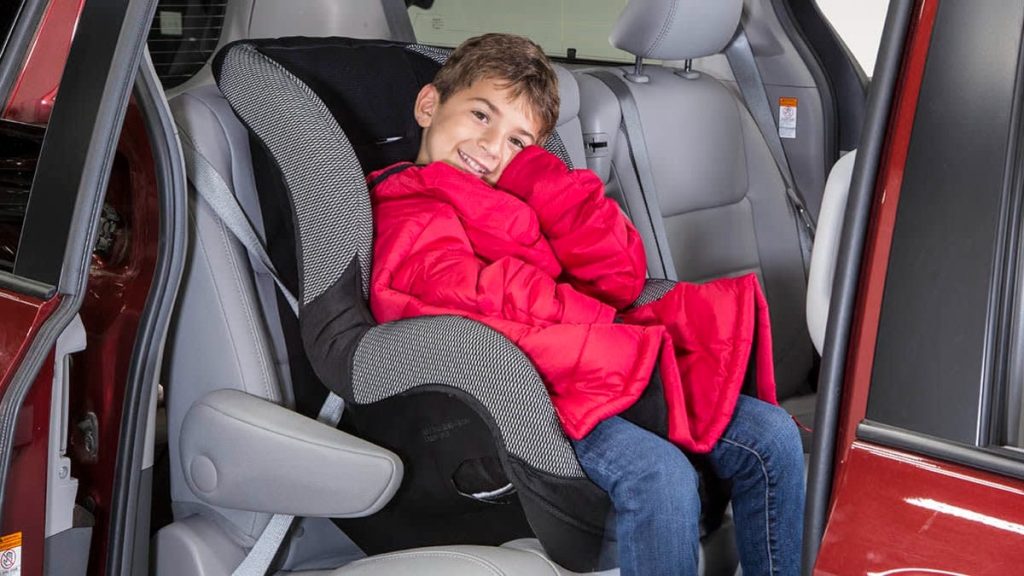
Cold-weather travel creates two separate tasks: keeping a child warm and keeping the harness close to their body. A bulky coat can make a harness appear snug while leaving space when the padding compresses. NHTSA and the American Academy of Pediatrics advise using thinner layers and placing additional warmth over a correctly fastened harness.
Build warmth around the buckled child
Choose ordinary fitted clothing and lightweight insulating layers that let the harness lie as intended. Buckle and tighten the restraint according to its manual, then add a blanket or place the coat over the secured child where appropriate. Keep the child’s face clear and make sure loose fabric does not interfere with the buckle or harness adjuster.
This approach preserves the coat for outdoor use. It does not mean leaving home without one. Put coats, hats and gloves where an adult can reach them at a stop so the family is prepared if the vehicle becomes cold or a journey is delayed.
Check the harness after clothing changes
A setting that worked over yesterday’s outfit may be loose over today’s thinner layer. Place the child correctly in the seat, remove twists and use the snugness check described by the manufacturer. NHTSA’s general guidance is that excess harness material should not be pinchable at the shoulder.
When a chest clip is part of the restraint, position it as directed rather than letting a coat collar push it down. The chest-clip guide explains its relationship to the shoulder straps. The clip cannot compensate for loose webbing underneath a thick jacket.
Be selective about covers and accessories
Read the car-seat instructions before using a cover, liner or warming accessory. Something that belongs with a stroller is not automatically approved for a car seat. Be particularly cautious about products that place extra material behind the child, between the child and harness, or around the buckle.
Do not judge approval from a “universal fit” label. Ask the restraint manufacturer about the exact accessory and model. Even an over-the-top cover needs to be used so the baby’s face remains visible and ventilation is not obstructed.
Make departure easier for the adult
Pack bags before bringing the child outside when possible, and allow extra time for a calm buckle check. If another caregiver does pickup, share the layering plan and keep suitable outerwear with the child. A repeated routine is easier to follow than a rule explained for the first time in a freezing parking lot.
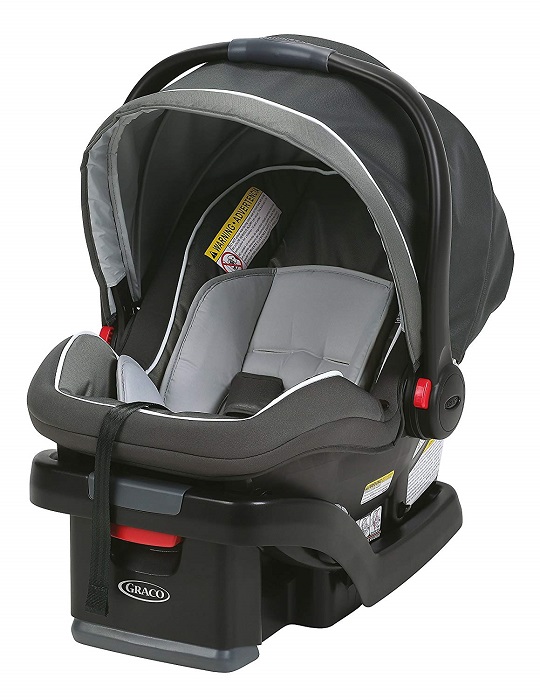
For infants, use the prescribed recline and newborn configuration even when winter clothing makes loading more awkward. If the baby’s posture causes concern, stop safely and address it; do not add a pillow to hold the head in place.
Prepare for the trip that takes longer
Warm layers are only part of cold-weather planning. Carry supplies for every passenger and review your vehicle’s winter readiness. Our winter emergency guide covers preparation for delays and breakdowns.
The practical goal is a child who is secured correctly during travel and has warm clothing ready for time outside. Separating those moments makes it possible to meet both needs without asking a thick coat to perform the harness’s job.