Editorial update · Updated October 23, 2026. This page has been rewritten; historical models and events are identified in the text.
Some children need a forward-facing harness after they have outgrown rear-facing, while remaining unready for consistent booster use. Shopping for that situation requires more than choosing the seat with the largest weight number. Torso fit, usable harness height, vehicle installation and the child’s individual needs all shape the decision.
Define the problem before choosing a product
Write down which requirement is being reached in the current seat: weight, overall height, shoulder position or another limit specified by the manual. The next seat needs to solve that actual problem. Buying a product with a higher weight maximum may accomplish little if the child reaches its height-related limit first.
If the current seat still permits appropriate rear-facing use, a search for extended harnessing does not itself require turning the child forward. Follow the current restraint’s limits and guidance. This article focuses on choosing a harness arrangement when the forward-facing stage is appropriate.
Separate a combination seat from an all-in-one
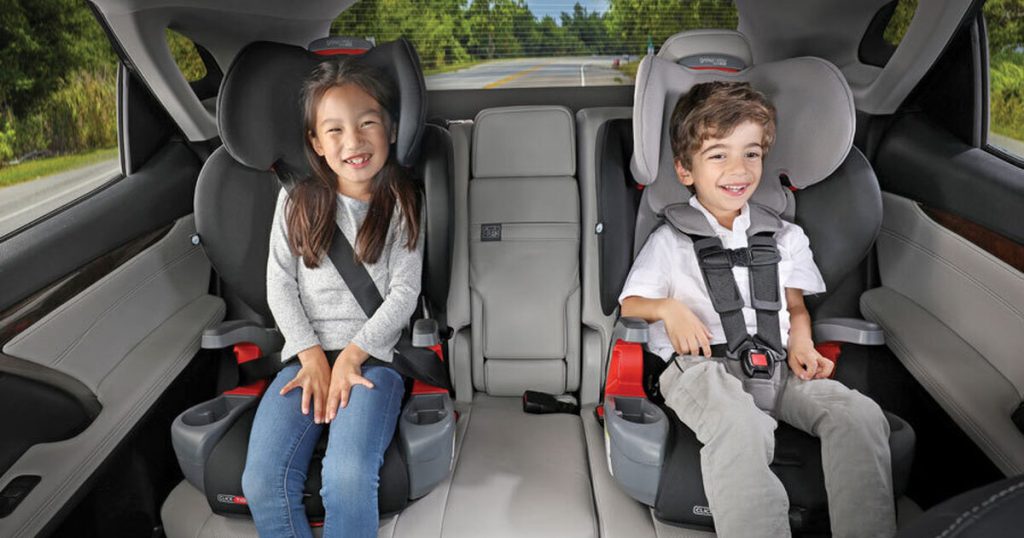
A combination model offers a forward-facing harness and a later booster. An all-in-one also includes rear-facing functions. Either category can be worth investigating, but the extra modes of an all-in-one should not distract from the fit the older child needs now.
The Chicco MyFit and Britax Grow With You families provide examples of combination seats to compare. Use the exact model manual and a real fit trial to evaluate growth room. This is not a ranking of which harnessed seat provides the greatest crash protection.
Check seated fit and installation together
Have the child sit naturally and inspect the harness position as directed. Check whether there is comfortable room to sit without changing posture to avoid the buckle or side structure. Do not assume that a roomy outer shell supplies a taller permitted shoulder position.
In the vehicle, identify the correct tether anchor and the approved installation method. Review any lower-anchor limit and learn the vehicle-belt method when needed. A high capacity for the internal harness does not mean lower anchors can be used indefinitely.
Readiness is different from a booster’s minimum
A belt-positioning booster depends on the child maintaining an appropriate seated position, including when tired. Reaching a listed minimum does not tell you whether that will happen throughout travel. At the same time, avoid claiming that every older child is categorically safer in a harness regardless of fit and circumstances; the transition should be based on the child, restraint and applicable guidance.
Practice communication with the child in a calm setting. Explain that the chosen arrangement is about a comfortable, repeatable fit rather than a reward for becoming “big.” That can make a later change less about sibling comparisons and more about a practical need.
When standard options are not enough
If a child outgrows available conventional harness options before being able to use a booster appropriately, involve qualified assistance. Medical, postural or developmental needs may require an individualized plan. Do not add an aftermarket chest restraint, extra buckle or homemade support to extend a seat’s use beyond its instructions.
Plan the purchase around remaining useful fit
Compare the next seat with the child present, ask about return conditions and preserve the instructions. An appropriate choice should solve the current fit problem and work in the family’s actual vehicle. A future booster mode can be useful, but it should be reassessed later instead of treated as a guaranteed final stage.
Explore the next question
Compare combination seats · Understand young-child booster readiness · Check lower-anchor assumptions