Editorial update · Updated October 25, 2026. This page has been rewritten; historical models and events are identified in the text.
A winter emergency kit is most useful when it matches the trip you actually take. A short urban journey and a long drive through sparse traffic can call for different quantities of supplies, but both benefit from a vehicle check and a plan for keeping passengers safe during a delay.
Prepare the vehicle before filling a box
NHTSA’s winter-driving guidance starts with the conditions: slow down on slippery roads, increase the space needed to stop and consider postponing travel when conditions are unsafe. Equipment in the trunk does not make an unsuitable journey safe.
Check tires, battery condition, lights, wipers and washer fluid suitable for the expected temperature. Use the vehicle’s recommended tire pressures and maintenance instructions. If a warning light, slow leak or starting problem is already present, resolve it before treating a portable gadget as the solution.
Pack for people as well as the vehicle
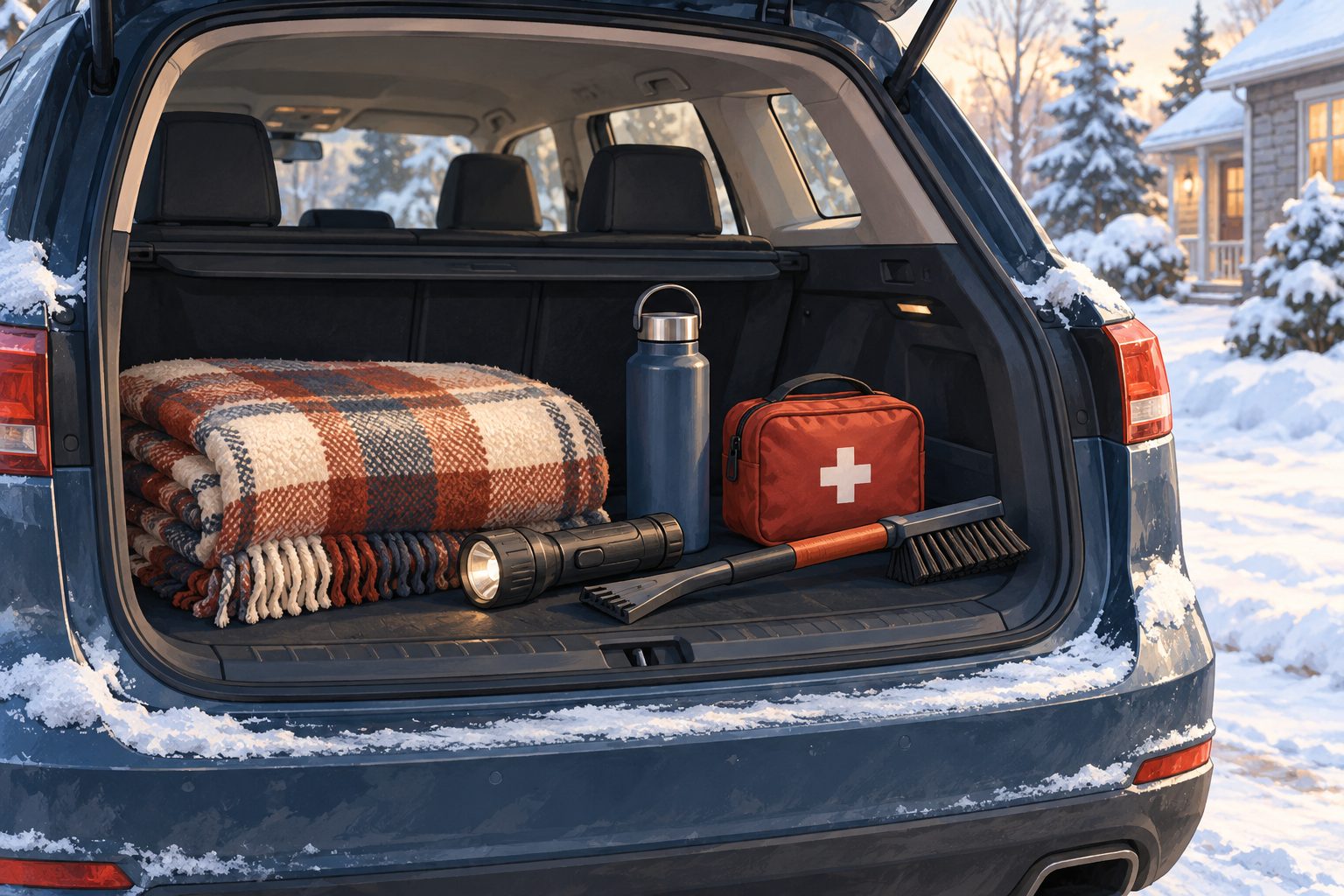
NHTSA recommends winter supplies such as a shovel, scraper, traction material, flashlight, warning equipment, blankets, phone charging and essential food, water and medication for longer or remote trips. Choose items your family can use, and inspect them periodically rather than leaving the same sealed box untouched for years.
Count passengers when packing warm layers. A blanket for a child does not cover an adult who left a coat at home. Include necessary baby supplies and allow for a trip that takes longer than planned. Store medication according to its requirements; extreme temperatures can make the car a poor permanent storage location.
When planning a winter move, arranging to Mobel Versenden in advance can help ensure that bulky household items are transported efficiently despite potential weather-related delays.
Keep equipment accessible and secured
A flashlight buried beneath suitcases is hard to use during a breakdown. Put frequently needed items in a consistent place and secure heavier equipment in an appropriate cargo area. Keep belts, tether anchors and seat tracks clear.
If you carry a jump starter or inflator, read its instructions in advance and confirm compatibility with your vehicle. Different vehicles, including hybrids and electric models, can have specific procedures. A depleted power pack or unfamiliar cable arrangement may be of little use when the weather is deteriorating.
Know the first actions if you become stranded
Make the vehicle visible, contact help and describe your location as accurately as possible. Follow local emergency guidance about staying with the vehicle or moving to safety. Avoid standing near traffic or making repairs where another vehicle could strike you.
NHTSA warns about carbon monoxide when snow blocks an exhaust pipe. Follow its stranded-vehicle guidance and do not assume that running the engine continuously is a harmless way to keep warm. The right action depends on the surroundings, vehicle and emergency advice.
Keep the restraint routine intact
During travel, bulky coats should not create slack under a child’s harness. Keep warm layers ready for stops and add warmth over the correctly fastened restraint as appropriate. Our winter clothing guide explains that distinction.
Before departure, share the route and expected arrival, check weather updates and allow extra time. If another adult handles navigation and supplies, the driver can keep attention on the road. The car-seat check guide is a useful final review before everyone settles in.
Preparedness is a combination of serviceable equipment, reachable supplies and a realistic decision about whether to travel. A small, maintained kit and a practiced plan are more useful than a collection of products no one has opened.