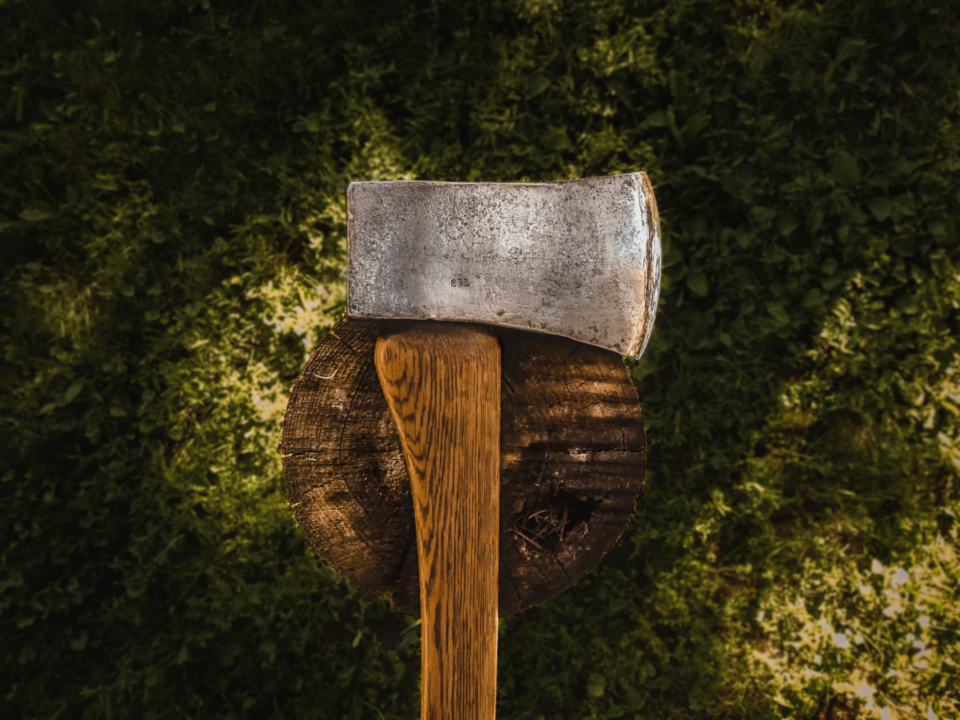
People have been naming their tools and weapons for as long as there have been tools and weapons. A named axe feels like it has a history, whether it’s a prop for a fantasy campaign, a character’s signature weapon in a novel, or a well-loved splitting maul in your woodshed. If you want some starting points, a list of cool names for an axe can get you going, but the best choices usually come from thinking about what the axe is and who swings it.
What kind of axe is it?
A small hatchet and a huge two-handed battle axe don’t deserve the same sort of name. A hatchet is quick and practical, so names like Nip, Sliver, Tick, or Whisper suit it. A great axe is heavy and slow, and it asks for something with weight, like Gravedigger, Oathbreaker, or Mountain’s Tooth.
Think about the head shape as well. A curved crescent blade might be called Moonbite or Sickle Song. A double-headed axe invites twin names like Dusk and Dawn, or Sorrow and Mercy. Those pairs give you a lot to work with if the weapon plays a part in the plot.
Where the name comes from
In old stories, famous weapons were often named for what they’d done or what they promised to do. You can borrow that habit. A name like Kingsplitter or Wolfsbane tells you there was a battle behind it. Something softer, like Quiet Winter, hints at a cold, patient owner.
Another approach is naming the axe after its first owner or its maker. Something like Brannoch’s Daughter or the Ironwright’s Last works well in fiction because it implies a family line. It also gives your character a reason to be proud, or burdened, by the weapon.
For a real-life axe, the story can be much simpler. Maybe it came from your grandfather’s barn, so you call it Granddad. Maybe it takes a stubborn log in two swings, so it’s Old Reliable. Those names are warm rather than fierce, and they say more about the owner than any fantasy title could.
Sound matters
Hard consonants make a name feel sharper. Words with K, T, and G, like Kragtooth or Bonecleaver, sound as if they bite. Softer letters, like L and W, give you something more poetic, such as Willowsong or Long Lament. Decide how you want the axe to feel, then pick the sound that supports it.
Length is worth a thought too. If a character will shout the name in combat, shorter is better. Nobody wants to yell a five-syllable title in the middle of a fight. Save the long ceremonial names for the quiet scenes, when the weapon is being described or passed down.
Avoiding the obvious
A lot of axe names lean hard on death, blood, and skulls. They’re fun, but if every weapon in your story has one, they start to blur together. Try picking one that’s unexpected, like Marigold or Tuesday, for a weapon that’s secretly terrifying. The contrast makes readers smile and shiver at once.
A good way to settle on a final choice is to write your top three on a scrap of paper and live with them for a day. Say each one as you picture the axe resting on a shoulder or leaning against a doorframe. Notice which name you keep thinking of without trying. If you’re building a world, check that it doesn’t clash with other weapons or places in your notes, since two items with near-identical names can confuse readers quickly. Once you’re happy, use it consistently, because a name only becomes believable through repetition.
When you want more inspiration, nickbitz.com has plenty of themed name ideas that can nudge you toward something you hadn’t considered. Pick two or three favorites, say them out loud, and see which one you’d actually be happy to hear again and again. That’s the one that belongs to your axe.