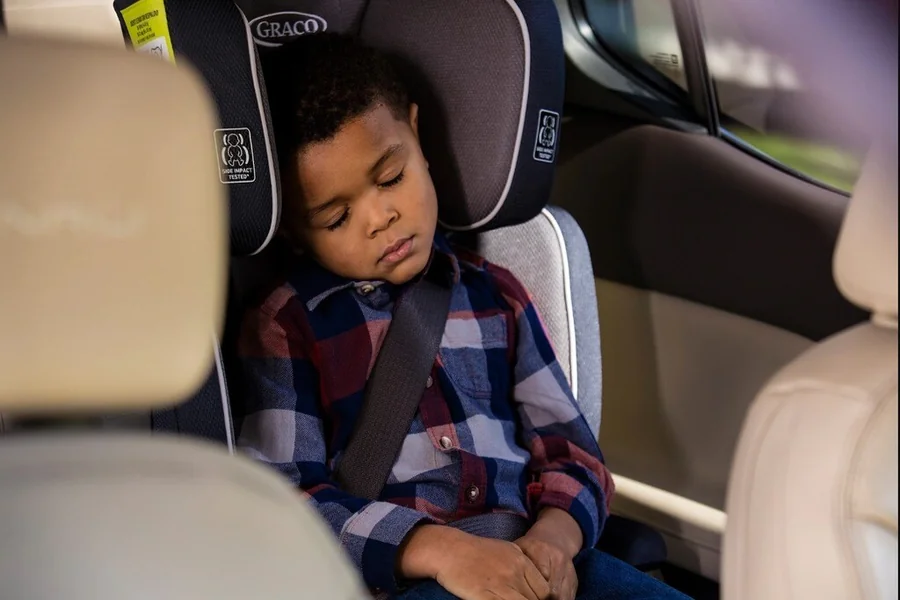
The rear-seat reminder that used to chirp when you parked is getting a more capable counterpart. Some newer systems can detect subtle movement associated with breathing, continue monitoring after the driver walks away, and escalate warnings if a child remains inside.
That’s a different level of protection from the reminder many families already know.
Door Logic Looks Backward, Direct Sensing Watches the Cabin
Many familiar rear-seat reminders rely on door activity. If a rear door opens before or during a trip, the vehicle may assume someone or something was placed in the back and prompt the driver to check when the trip ends. The system doesn’t necessarily know whether a child is actually present.
Direct sensing works differently. Some systems use in-cabin radar, including technology operating around 60 GHz, to detect small movements associated with breathing or other signs of life. They can identify a child’s presence without relying solely on whether a rear door opened during the trip.
Direct sensing can detect a child left inside after the driver exits or one who enters a parked vehicle without an adult noticing. Door-based reminders may miss both scenarios, although detection capabilities vary by manufacturer and model.
After You Lock the Car, the Warning Can Continue
A conventional door-based reminder generally alerts the driver at the end of a trip. Depending on the vehicle, that may involve a dashboard message, chime, horn, or notification. It doesn’t necessarily continue monitoring for an occupant after the vehicle is parked.
Direct-sensing child presence detection can continue operating after the vehicle is turned off. Under Euro NCAP’s 2026 occupant-monitoring protocol, a qualifying system must use direct sensing and be enabled by default at the beginning of a journey. When it detects an unattended child locked inside, the initial warning must begin promptly, with no more than 15 seconds allowed after locking to assess occupancy.
The protocol also addresses escalation if a child remains unattended. Depending on the vehicle’s design, warnings may involve external lights, audible signals, connected-phone notifications, or other interventions. Not every direct-sensing system automatically contacts emergency services.
The technology also raises legal questions about what a vehicle records and who receives its warnings. “Once a sensor keeps scanning after you walk away and can call out of the car, it is generating evidence,” says an attorney at SBBL Law. “When a caregiver is later charged, who received the alert and when becomes part of the record.”
Safety Standards Are Rewarding Different Capabilities
The U.S. and European approaches address different safety functions. NHTSA’s rear-seat belt reminder rule, originally finalized in December 2024, concerns warnings about seat belt use under Federal Motor Vehicle Safety Standard 208. It doesn’t establish a general requirement for vehicles to detect children left unattended after parking.
Euro NCAP’s child presence detection assessment focuses directly on that unattended-child risk. Its 2026 protocol awards points for systems that use direct sensing, recognize specified child-presence scenarios, and provide appropriate warnings or interventions. It also evaluates whether a system can detect children who enter an unlocked vehicle and become trapped.
Euro NCAP is a vehicle safety assessment program, not a government regulator imposing a universal equipment mandate. Its scoring criteria can nevertheless influence which safety technologies manufacturers prioritize. NHTSA’s seat belt reminder requirements and Euro NCAP’s child presence detection criteria shouldn’t be treated as competing versions of the same rule.
Know What the System May Record About You
Direct sensing also raises questions about information generated during an incident. Depending on the system, a vehicle may record diagnostic events, detection results, warning activity, or connected-service notifications. Those records could become relevant if investigators later examine what happened and whether an alert was issued.
That doesn’t mean every vehicle stores a continuous history of cabin occupancy or automatically uploads child-presence data to the manufacturer’s servers. Storage, transmission, retention, and access depend on the automaker’s technology and privacy practices. A system may process information locally without preserving a detailed record of every detection.
When relevant data exists, it may be sought during criminal investigations or civil litigation through applicable legal procedures. Owners should review their vehicle’s privacy disclosures and connected-service settings to understand what information may be collected and shared.
Pick the System That Matches the Risk You Fear
Door-based reminders and direct-sensing systems have different strengths, and the distinction is worth understanding before relying on either one.
- Forgetting to drop a child at daycare. A door-based reminder may prompt the driver to check the back seat after a rear door was opened earlier in the trip. Direct sensing may provide an additional warning if the child remains inside.
- A sleeping child already in the vehicle. Door logic may not recognize the child’s presence if the relevant door activity didn’t occur. Direct sensing can potentially detect the child independently.
- A child entering a parked vehicle alone. Conventional end-of-trip reminders generally aren’t designed for this scenario. Some direct-sensing systems can detect an unattended child and initiate warnings, provided the vehicle supports that function.
- A child intentionally left during a short errand. A door-based reminder may alert the driver when parking, while a capable direct-sensing system can continue monitoring and escalate its warning if the child remains inside.
Neither technology guarantees detection in every circumstance, and a reminder is never a substitute for checking the vehicle before leaving it.
For families, escalating alerts provide another opportunity to prevent a tragedy. For investigators, a warning history may help establish what the vehicle detected and when someone was notified.
Both possibilities make the details of a vehicle’s child presence detection system worth understanding before an emergency occurs.