You can still seek compensation if the driver who hit you in Marietta was driving someone else’s car. The driver may be held responsible for causing the crash, and the vehicle owner’s insurance may cover your injuries if the driver had permission to use the car. However, owning the vehicle does not automatically make someone legally responsible for the accident.
Marietta is the county seat of Cobb County, located about 15 miles northwest of Atlanta. Interstate 75, U.S. Highway 41, and several state routes connect the city to nearby communities, bringing together local drivers, commuters, and visitors.
When a crash involves a borrowed vehicle, figuring out who is responsible and which insurance policy applies can be confusing. A Spanish-speaking injury attorney in Marietta, GA, can help you understand your legal options, review the available insurance coverage, and determine who may be responsible for your losses.
Why Does Permission to Use the Car Matter?
Whether the owner gave permission can affect insurance coverage. Permission may be express or implied. The policy’s terms and exclusions still control.
If the driver took the car without permission, the insurer may dispute coverage. Your uninsured/underinsured motorist coverage may help if the driver has too little insurance. Collision coverage may pay for repairs, minus your deductible.
When Can the Vehicle Owner Also Be Liable?
Ownership alone does not make someone responsible. An owner may share liability in certain situations:
- Negligent entrustment: An owner may be liable for lending a car to someone they know is incompetent or habitually reckless, if that unfitness contributed to the crash.
- Family-purpose doctrine: An owner may be liable when a family member crashes a family vehicle while using it for a family purpose.
- Work-related driving: Under O.C.G.A. § 51-2-2, a person may be liable for a servant’s torts committed “in the prosecution and within the scope of his business.” This can apply to employee crashes during work.
What Does a Georgia Court Case Show?
In Logan v. Younusbaig (2022), the Georgia Court of Appeals upheld judgment for a vehicle owner because evidence did not show the owner knew the driver was incompetent or habitually reckless. The case shows why the owner’s knowledge matters.
What Insurance Rules Apply in Georgia?
O.C.G.A. § 33-34-4 bars an owner from operating or authorizing someone to operate a registered vehicle without required liability insurance. Georgia’s minimum limits are $25,000 per injured person, $50,000 per crash, and $25,000 for property damage. Serious injuries can exceed these limits.
NHTSA estimated 2.44 million people were injured in U.S. police-reported crashes in 2023. The figure does not isolate borrowed-car crashes.
What Should You Do After a Crash Involving a Borrowed Car?
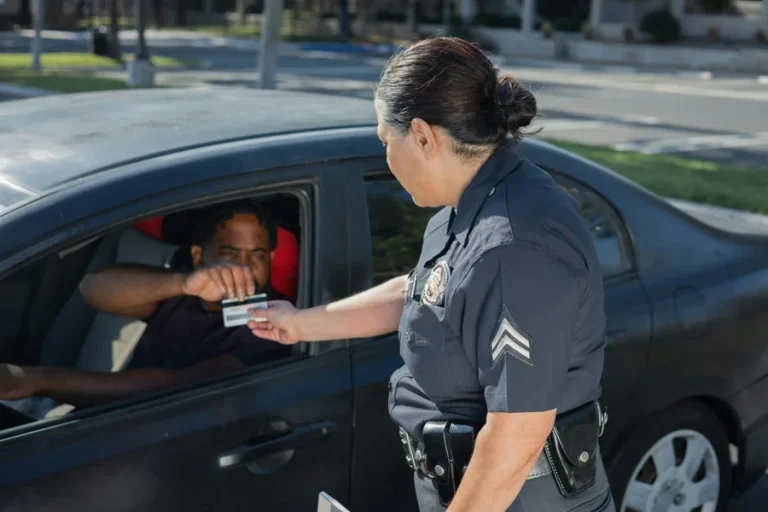
Collect details: Get the driver’s and owner’s names, plate number, and insurer.
- Save evidence: Request the police report, photograph the scene, and record witness contacts.
- Track losses: Keep medical records, bills, repair estimates, and missed-work records.
- Notify insurers: Report the crash and ask which policies may apply.
Pro Tip: Keep texts showing whether the owner allowed the driver to use the car. They may help resolve a coverage dispute.
Frequently Asked Questions
- Can I sue the driver if the car belonged to someone else?
Yes. You can pursue the driver if their negligence caused your injuries. Borrowing the car does not remove their responsibility.
- Can the owner’s insurance pay for my injuries?
Possibly. The owner’s policy may cover a permitted driver, depending on its terms. The owner may also face a claim under one of these legal rules.
Key Takeaways
- You may bring a claim against the driver who caused the crash.
- The owner’s policy may cover a driver who had permission.
- Unauthorized use can lead to an insurance dispute.
- An owner may share liability under specific Georgia legal doctrines.
- Review all possible policies and coverage limits.