Table Of Contents
- Why Windshield Damage Needs Quick Attention
- What To Do Right After Damage Occurs
- How To Tell If the Vehicle Is Safe To Drive
- Repair or Replacement?
- How Colorado Weather Can Make Damage Worse
- Insurance and Cost Questions
- ADAS Calibration After Windshield Work
- Choosing a Qualified Auto Glass Provider
- Simple Ways To Prevent Future Glass Damage
- Common Questions About Windshield Damage
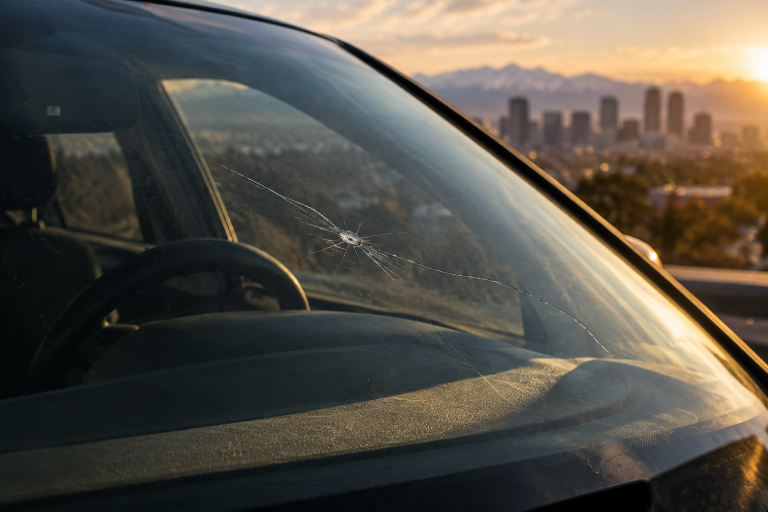
A windshield chip can happen quickly on I-225, E-470, neighborhood streets, or during a Denver metro commute behind a construction vehicle. For drivers in Aurora, Littleton, and nearby Colorado communities, Premium Automotive, based in Aurora and Littleton, CO, provides expert auto glass replacement, along with paintless dent repair, autobody repair, collision repair, and fleet services across the greater Denver metro area. The right response starts with protecting visibility and avoiding actions that could cause the damage to spread.
Colorado drivers also deal with sharp temperature changes, intense sun, hail, ice, and road vibration. A small windshield chip may stay manageable, but it can develop into a longer crack when the glass is stressed. This checklist helps drivers make calmer, safer decisions after damage is visible.
Why Windshield Damage Needs Quick Attention
A windshield is more than a clear panel in front of the driver. It helps keep out debris, supports clear road visibility, and is part of a vehicle’s overall occupant-protection design. As windshield safety guidance explains, damaged glass can impair visibility and compromise safety functions connected to the windshield.
Even a small chip can change over time. Road vibration, body flex, door slams, moisture, and rapid heating or cooling can put additional stress on already damaged glass. Damage directly in the driver’s primary viewing area deserves especially prompt attention because it can create glare or visual distortion.
What To Do Right After Damage Occurs
- Slow down, keep your attention on the road, and pull into a safe location before inspecting the damage.
- Check whether the chip, crack, or shattered area obstructs your view of traffic, signs, pedestrians, or lane markings.
- Take photos from inside and outside the vehicle, ideally in good light.
- Make a brief note of when and where the damage happened, if known.
- Arrange a professional inspection before a small problem has time to spread.
Avoid pressing on the damaged spot or picking at loose glass. Do not pour hot or boiling water onto a cold windshield to remove ice. It is also wise to avoid directing very hot defroster air or very cold air-conditioning air at the damaged area until it has been evaluated.
How To Tell If the Vehicle Is Safe To Drive
Whether a vehicle can be driven safely depends on the location, depth, size, and spread of the damage, as well as its effect on visibility. A small chip away from the driver’s sightline may allow a careful trip to an inspection appointment. That does not mean it should be ignored.
- Usually less urgent: A small, stable chip located away from the driver’s viewing area.
- Needs prompt inspection: A crack that is growing, multiple impact points, or damage near the windshield edge.
- Do not continue normal driving: Damage that obstructs vision, causes distracting glare, reaches the edge of the glass, or leaves loose or shattered glass.
If visibility is compromised, arrange a safer alternative rather than attempting a regular commute across Aurora, Littleton, or the wider Denver metro area.
Repair or Replacement?
A qualified technician considers more than a simple measurement when deciding between repair and replacement. Important factors include the size and depth of the impact, the location of the damage, whether a crack touches the edge, whether the driver’s view is affected, and whether the inner glass layer or the surrounding mounting area has been compromised.
Online rules involving coins or exact crack lengths are only general references. Some chips that look minor are not good repair candidates, while others with limited damage may be repairable. A hands-on inspection is more reliable than guessing from a photograph.
How Colorado Weather Can Make Damage Worse
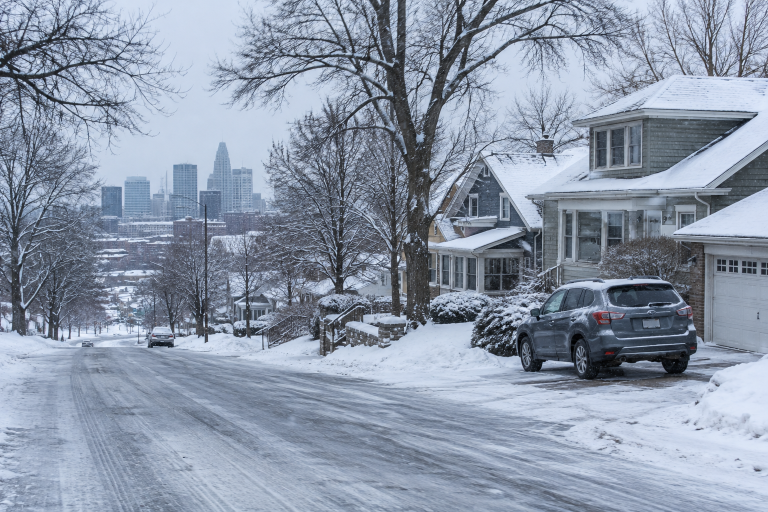
Front Range weather can change quickly, and windshield damage often reacts poorly to rapid temperature swings. Sunlight can heat glass unevenly, while overnight cold, snow, ice, rain, and sudden defroster use can increase stress around a chip or crack.
- Park under cover or in the shade when practical.
- Use an automotive ice scraper rather than hard tools or metal-edged objects.
- Skip boiling-water shortcuts when clearing ice.
- Close doors gently until the windshield has been inspected.
- Keep the damaged area as clean and dry as reasonably possible.
Insurance and Cost Questions
Before authorizing work, review the details of your own policy. Comprehensive coverage or separate glass coverage may apply, but deductibles, claims procedures, approved parts, and repair options vary by insurer and policy.
- Ask whether repair and replacement have different deductible rules.
- Confirm whether a claim must be opened before service begins.
- Ask what type of replacement glass is covered.
- Request a written estimate that identifies labor, materials, and any added services.
- Compare the likely out-of-pocket cost with your deductible before deciding whether to file a claim.
ADAS Calibration After Windshield Work
Many newer vehicles have cameras or sensors mounted near the windshield. These systems can support features such as lane-departure warnings, forward-collision alerts, automatic emergency braking, adaptive cruise control, and traffic-sign recognition. Depending on the vehicle and its equipment, windshield replacement may require calibration of relevant driver-assistance systems.
Ask the provider whether calibration is required for your exact year, make, model, and equipment package. Request documentation showing what was inspected, calibrated, or tested after the work is completed.
Choosing a Qualified Auto Glass Provider
Clear questions help drivers compare providers on safety and fit, rather than price alone. Before scheduling, ask whether the shop works with your vehicle’s make and model, what type of glass will be used, whether the bonding area will be inspected, and whether calibration can be handled when needed.
Also, ask about the installation warranty, the expected turnaround time, and when the vehicle can be safely driven after the replacement. For fleet managers, scheduling flexibility and clear communication can help reduce avoidable vehicle downtime.
Simple Ways To Prevent Future Glass Damage
- Leave extra following distance behind gravel trucks, work vehicles, and vehicles traveling on loose surfaces.
- Replace worn wiper blades before they streak, chatter, or expose a metal arm to the glass.
- Inspect the windshield during routine vehicle checks.
- Address small chips promptly instead of waiting to see whether they spread.
- Keep the dashboard clear to reduce avoidable reflections and distractions.
Clear glass supports the broader safe-driving habit of giving the road your full attention. The safe-driving recommendations from NHTSA also emphasize attentive driving and adjusting for weather and road conditions.
Common Questions About Windshield Damage
Can a small chip be left alone?
It may remain stable for a time, but it should still be inspected promptly. Vibration, debris, and temperature changes can cause a chip to spread.
Is it safe to drive with a crack?
It depends on the crack’s position, spread, and effect on visibility. If it blocks the driver’s view, produces glare, reaches the edge, or appears unstable, do not treat the vehicle as suitable for normal driving.
How long does windshield replacement take?
Timing varies by vehicle, glass availability, installation requirements, adhesive curing time, and whether calibration is needed.
Does every windshield replacement require ADAS calibration?
No. Calibration needs depend on the vehicle’s equipment and manufacturer procedures. The correct answer comes from the specific vehicle, not from a general rule.
Conclusion
Windshield damage does not need to create uncertainty. Move to a safe location, check whether visibility is affected, document the damage, avoid temperature extremes, and schedule a professional assessment. For drivers and fleets across Aurora, Littleton, and the greater Denver metro area, early action can help turn a stressful glass problem into a clear next step.