Key Takeaways
-
Small monthly checks can reveal tire wear, low fluids, weak batteries, leaks, and visibility problems before they become urgent.
-
Winter salt, freezing temperatures, summer heat, heavy rain, and rough roads place different demands on a vehicle.
-
Tires, brakes, fluids, battery health, exterior lights, wipers, and dashboard warnings deserve year-round attention.
-
The owner’s manual is the best source for maintenance intervals because service needs vary by vehicle, mileage, climate, and driving habits.
St. Paul drivers contend with icy commutes, pothole season, rain-soaked streets, humid summer traffic, and road-trip miles. A steady maintenance routine helps a vehicle handle those changing conditions with fewer surprises. For local help beyond a driveway inspection, auto repair St Paul services from Signal Garage Auto Care offer a useful local option. This fourth-generation, family-owned repair business provides maintenance, diagnostics, and repair work for drivers in St. Paul, West St. Paul, and Eden Prairie.
Seasonal car care is not about replacing parts early or reacting to every minor noise. It is about noticing changes, following the vehicle manufacturer’s schedule, and arranging professional diagnosis when a symptom points to a safety or reliability concern.
Why a Seasonal Car Care Plan Makes Sense
St. Paul weather can change quickly, and a vehicle often shows its condition gradually. A tire may lose air over time, a wiper blade may begin streaking, or a battery may crank more slowly than usual. Short checks give drivers a chance to plan service before a small issue affects a commute, a family errand, or a weekend trip.
Preventive care also makes repair decisions clearer. Instead of guessing whether a part needs attention, drivers can record symptoms, check the owner’s manual, and ask a technician to inspect the affected system. This approach supports practical budgeting while keeping safety-related repairs from being postponed.
January Through March: Protect the Vehicle in Winter
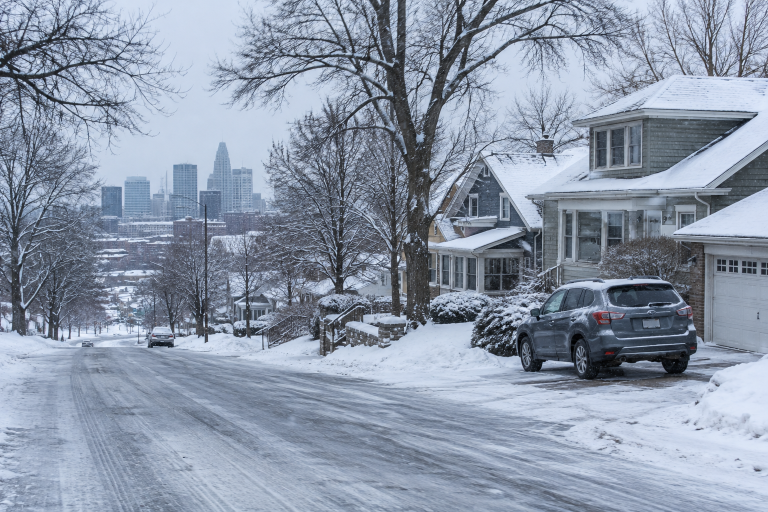
Cold temperatures, snow, slush, and road treatment materials make winter a demanding season for Twin Cities vehicles. Check tire pressure at least monthly, including the spare if the vehicle has one. Use the pressure shown on the driver’s door label or in the owner’s manual, not the maximum number printed on the tire sidewall. The tire maintenance guidance from the National Highway Traffic Safety Administration also recommends checking tires when they are cold.
-
Inspect tread, sidewalls, and tire wear for cuts, bulges, cracks, or uneven patterns.
-
Test the battery if starts are becoming slow or inconsistent.
-
Use winter-rated washer fluid and replace wipers that smear or skip.
-
Confirm that the heater, defroster, headlights, brake lights, and turn signals work properly.
-
Wash the body and undercarriage when conditions allow to remove accumulated grime and salt residue.
April Through June: Look for Winter Damage
Spring is a good time to inspect what winter left behind. Potholes and repeated freeze-thaw cycles can contribute to alignment, tire, suspension, and underbody concerns. If the vehicle pulls to one side, the steering wheel no longer sits centered, or a new vibration appears, schedule an inspection rather than assuming the issue will resolve itself.
-
Listen for brake noise and note vibration, pulling, or a soft brake pedal.
-
Look underneath for loose panels, damaged splash guards, rust concerns, or fresh fluid spots.
-
Rotate tires on the manufacturer’s recommended interval.
-
Check engine and cabin air filters, then replace them when inspection or the maintenance schedule calls for it.
-
Review oil, coolant, brake fluid, and washer fluid levels.
July Through September: Manage Heat and Road-Trip Stress
Summer driving can mean long highway miles, stop-and-go traffic, additional cargo, and hot pavement. Before a trip north to the cabin or across Minnesota, inspect the cooling system, including the coolant level and visible condition of hoses. Watch the temperature gauge while driving, and never remove a radiator cap from a hot engine.
Check the air-conditioning system before the first extended hot-weather drive. Inspect the battery for corrosion, make sure tires are inflated for the vehicle’s expected load, and look for bulges or irregular wear. Keep water, a flashlight, jumper cables, a phone charger, and basic emergency supplies in the vehicle.
October Through December: Prepare Before the First Major Storm
Fall is the time to prepare instead of waiting for the first difficult morning commute. Minnesota drivers can also review winter driving tips from MnDOT before storms bring reduced visibility and slippery pavement.
-
Schedule a brake and tire inspection if either system has shown signs of wear.
-
Test the battery and charging system.
-
Replace weak wiper blades and refill winter washer fluid.
-
Inspect exterior lights and clean cloudy lenses.
-
Check belts, hoses, and fluids for visible concerns.
-
Pack warm clothing, a blanket, gloves, a flashlight, and other winter emergency items.
The Monthly Five-Minute Check
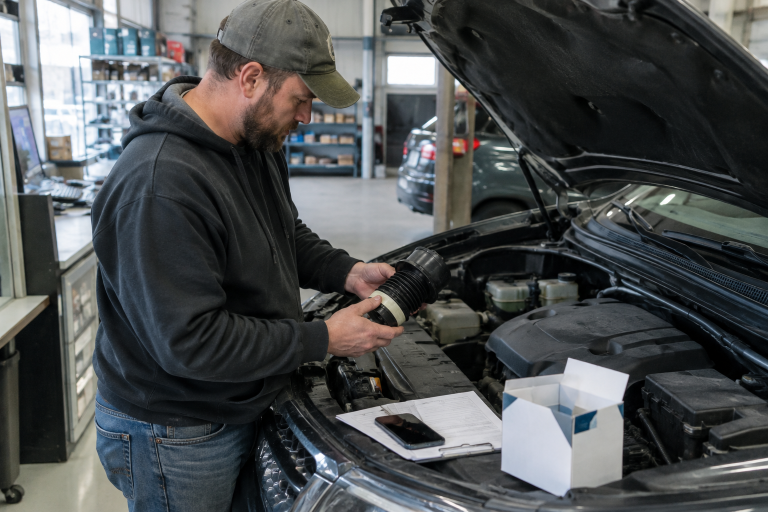
A quick walk-around is one of the simplest habits a driver can build. Look for new body damage, low tires, fluid spots, cracked lenses, and anything hanging beneath the vehicle. Check tire pressure, lights, oil, coolant, brake fluid, and washer fluid as directed by the owner’s manual. Pay attention to new smells, noises, vibrations, warning messages, or changes in how the vehicle starts, stops, or steers.
Warning Signs That Should Not Wait
Some symptoms deserve prompt professional attention because they may involve safe operation or lead to additional damage. These include grinding or scraping during braking, a flashing check-engine light, overheating, active fluid leaks, steering-wheel vibration, repeated tire-pressure loss, difficulty starting, or a sudden change in steering response. If a warning occurs while driving, use good judgment about whether it is safe to continue.
How to Use the Owner’s Manual
The owner’s manual explains the maintenance schedule for the specific vehicle, including oil service, tire rotation, filters, inspections, and other recommended services. Drivers who make frequent short trips, tow, drive in heavy traffic, travel dusty roads, or face extreme temperatures may fall under a severe-use schedule. Keep digital or paper records of completed work so future inspections begin with a clear maintenance history.
When to Choose a Professional Inspection
Professional help is appropriate when a warning light remains on, brake or steering symptoms appear, a pothole impact is severe, or a vehicle is preparing for a long trip with significant mileage. Technicians can evaluate systems that are difficult to inspect safely at home, including brakes, suspension, charging systems, emissions components, and electronic controls.
Questions Drivers Often Ask
How often should a vehicle be inspected?
Follow the owner’s manual and consider a general inspection at least once a year. Older, high-mileage, or heavily used vehicles may benefit from more frequent checks.
Is every dashboard warning light an emergency?
No, but every warning deserves attention. A flashing check-engine light, overheating warning, oil-pressure warning, loss of power, or unusual mechanical noise should be treated as more urgent.
Can drivers do seasonal maintenance themselves?
Many drivers can safely check tire pressure, washer fluid, lights, wiper blades, and visible damage. Brakes, steering, suspension, electrical faults, and unexplained leaks are better handled by trained professionals.
Does washing the car help with maintenance?
Cleaning does not replace mechanical service, but it can remove grime and make it easier to spot paint damage, rust, low tires, damaged trim, and fluid leaks.
A Simple Maintenance Checklist
-
Every month: Check tire pressure, lights, fluids, visible damage, and warning indicators.
-
Every season: Review tires, brakes, battery condition, wipers, and climate-control performance.
-
Before road trips: Check tires, spare-tire readiness, oil, coolant, and emergency supplies.
-
At recommended intervals: Follow the owner’s manual for rotations, filters, fluid service, and inspections.
Closing Perspective
Good car care is less about guessing and more about following a consistent routine. A few minutes each month can reveal concerns while they are still manageable, and timely professional diagnosis can help St. Paul drivers make informed next-step decisions.