Editorial update · Updated October 19, 2026. This page has been rewritten; historical models and events are identified in the text.
A child-heatstroke prevention plan should work on the day a routine changes, a baby falls asleep or two adults each think the other completed the drop-off. This page originally marked National Heatstroke Prevention Day in 2021. The practical work continues on ordinary days, with deliberate checks rather than reliance on memory alone.
Make the end of the drive a complete handoff
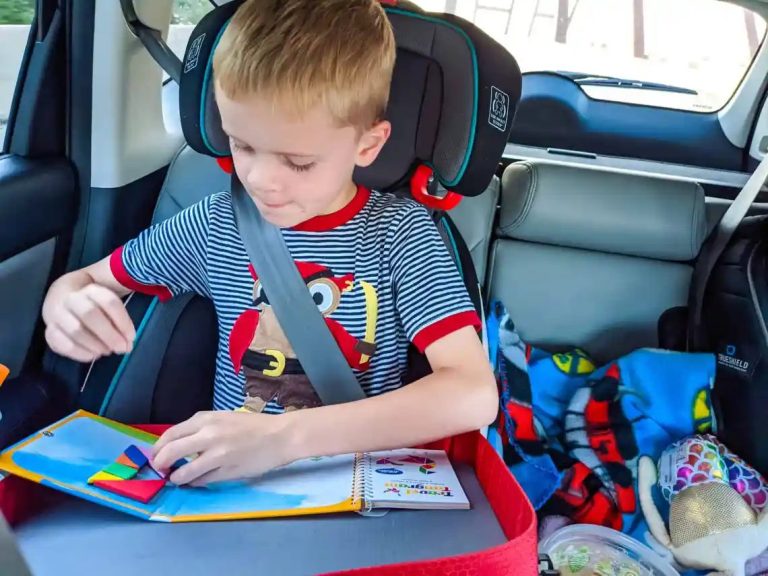
Before leaving a parked vehicle, check the entire passenger area and confirm where every child is. Use the same sequence whether or not you normally transport children. A rear-seat reminder can support that habit, but an alert is not a substitute for physically checking.
When responsibility changes, say which adult has the child and get a clear acknowledgment. At childcare or another destination, establish a plan for someone to contact the caregiver promptly if the child does not arrive as expected. A confirmed arrival provides different information from an assumption that the trip went normally.
Never plan for an unattended wait
NHTSA advises never leaving a child alone in a vehicle, even briefly. A quick errand can become a delay, and a young child cannot necessarily release a restraint, unlock a door or move to safety. Do not treat shade, a partly open window or mild-feeling outdoor air as protection against a dangerous vehicle interior.
Arrange a different errand plan when taking the child inside is difficult. Consider pickup or delivery options, another responsible caregiver, or postponing the task. The plan should not depend on estimating how long the vehicle will remain comfortable.
Prevent children from entering parked vehicles
Heatstroke prevention also applies when no adult has been driving. Keep parked vehicles locked and keys or remote fobs out of children’s reach. Teach children that cars and trunks are not play spaces. Check that everyone is out before locking the vehicle.
If a child is missing, check vehicles immediately, including trunks and other areas a child could have entered, while organizing the wider search. Do not assume a child could not have reached a particular door or remote control.
Treat a child alone in a hot vehicle as urgent
In the United States, call 911 immediately if you see a child alone in a hot vehicle, and follow the dispatcher’s directions. NHTSA emphasizes acting promptly. Do not wait for the caregiver to return or for the child to show a particular symptom before seeking emergency help.
Make the everyday routine visible to every driver in the family. Our summer travel guide covers planning between destinations, while the teen-driver guide helps include newer drivers in family safety expectations. The restraint checklist addresses the complementary task of using the seat correctly during the ride.