Editorial update · Updated October 20, 2026. This page has been rewritten; historical models and events are identified in the text.
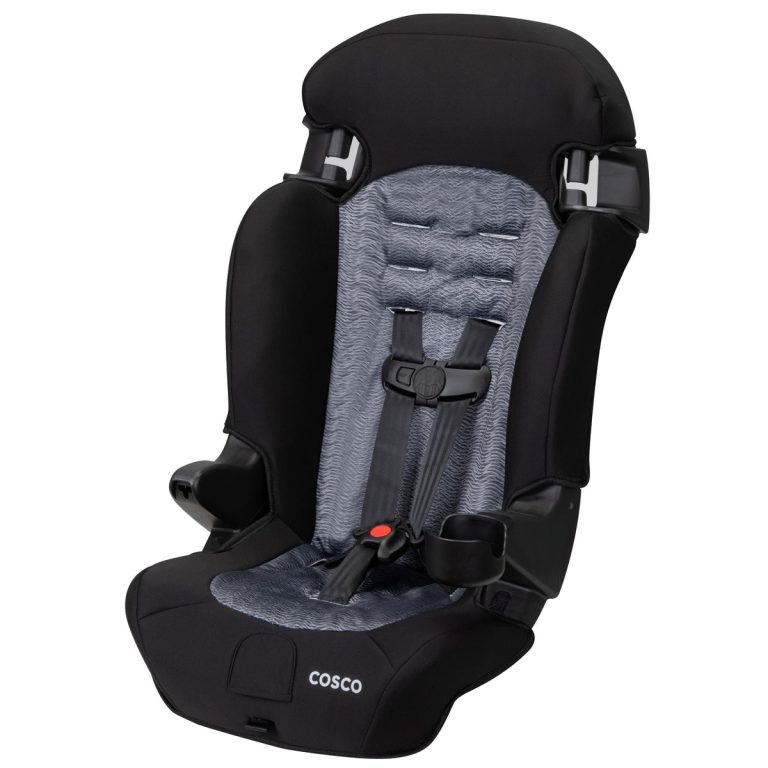
A car-seat poncho can make the trip from house to vehicle easier, but its usefulness depends on where the fabric ends up after the child is buckled. The important question is whether the harness still fits as the restraint manufacturer requires and can be checked clearly before departure.
Birdy Boutique sells ponchos designed for this routine. Its product instructions describe moving the rear fabric over the seat and lifting the front while fastening the harness. The garment then provides warmth over the secured child. Follow the directions for the exact poncho and restraint rather than assuming every cape-like garment works the same way.
Why the position of the fabric matters
NHTSA’s winter-clothing guidance explains that bulky layers can leave excess room in a harness. It recommends lighter clothing layers and warmth added over a properly fitted harness, such as a blanket or a coat worn backward over it.
A poncho should be evaluated against that goal. Fabric gathered behind the child, bunched at the shoulders or trapped beneath the straps can change the fit. A warm garment is not helpful if it makes the adult unable to see the buckle, harness route or chest clip clearly during the check.
Are car-seat ponchos safe?
There is no useful blanket answer covering every poncho, child and restraint. The arrangement must preserve the required harness fit, keep the face unobstructed and comply with the car-seat instructions. If the garment cannot be positioned without interference, remove it for the ride and use a suitable alternative over the secured harness.
Marketing language such as “crash tested” describes a manufacturer’s claim about particular testing. It does not establish approval from every car-seat maker or prove that any size and arrangement will work. When compatibility is uncertain, ask the restraint manufacturer about the actual garment and configuration.
Try the complete routine before a cold morning
Practise indoors or in a parked vehicle with the child’s usual light clothing. Position the poncho as instructed, lift the front fully and buckle the child. Check the harness before covering it again. Then confirm that the fabric stays away from the face and does not pull the straps out of place.
Have another regular caregiver repeat the process. A garment that works when one adult carefully arranges it may be less practical if another person cannot reach behind the seat or see the hidden fabric. Resolve those difficulties during practice.
Choose size for use now
Buying extra room for future growth can create excess material in the wrong places. Check the actual length, neck opening and how the garment sits on the child. Outside the vehicle, consider whether it interferes with walking or climbing into the car. Inside, check that it can be moved clear of the harness without a struggle.
Birdy Boutique’s selection guide discusses comfort and fabric preferences. Treat those as purchase considerations after the restraint fit has been resolved. A child who dislikes the material may repeatedly pull or bunch it, changing the arrangement during the trip.
Keep a simple backup available
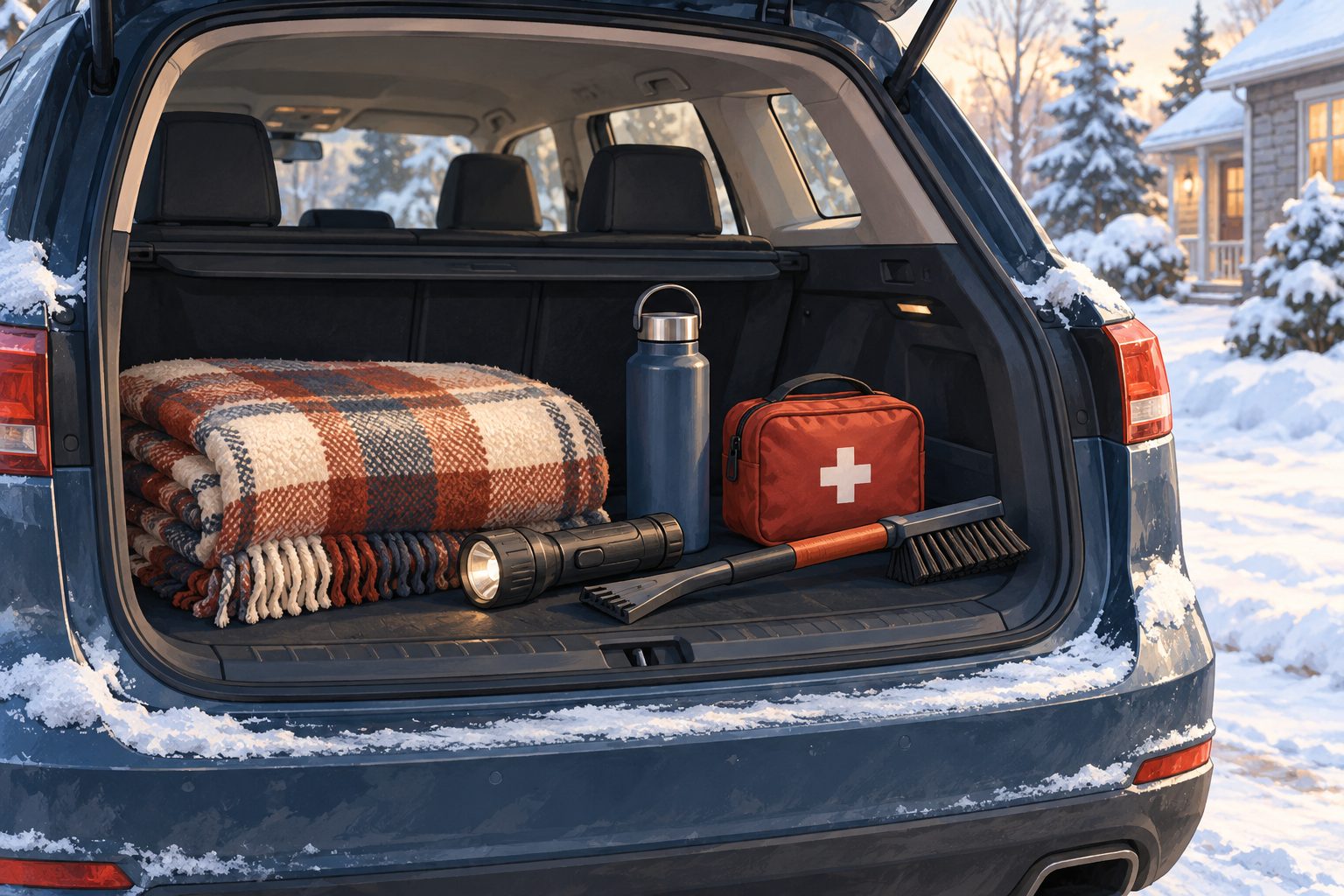
A light blanket over a properly fitted harness may be easier for some families. Keep outdoor clothing available for arrival and adjust warmth as the cabin changes. The winter-coat guide and winter emergency-kit guide can help build a routine that accounts for both the drive and an unexpected stop.