Editorial update · Updated October 23, 2026. This page has been rewritten; historical models and events are identified in the text.
The most useful preparation for flying with a car seat happens before boarding: verify the restraint, reserve the child’s seat and find the instructions for both the product and the airline. That preparation makes a last-minute question about fit or orientation easier to resolve calmly.
Confirm aircraft approval for the exact mode
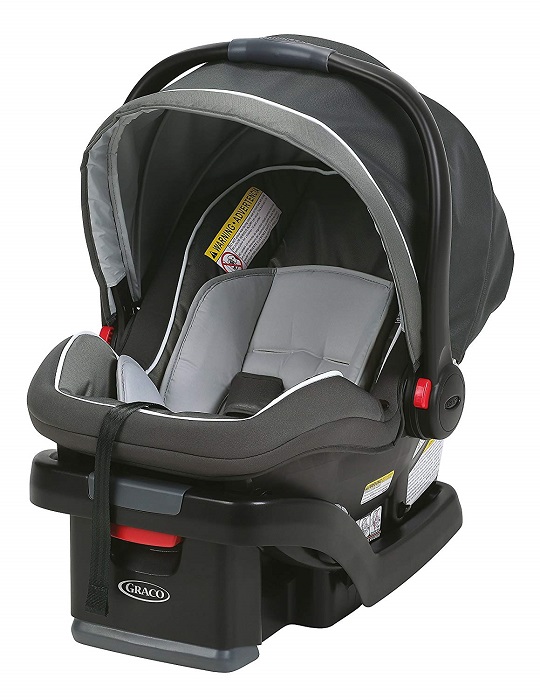
A car seat’s suitability for a vehicle does not automatically establish suitability for an aircraft. The FAA asks families to check for the required aircraft-use certification or an accepted foreign approval label. Read the manual’s aircraft section as well. A product that changes from harness mode to booster mode may have different permissions for those modes.
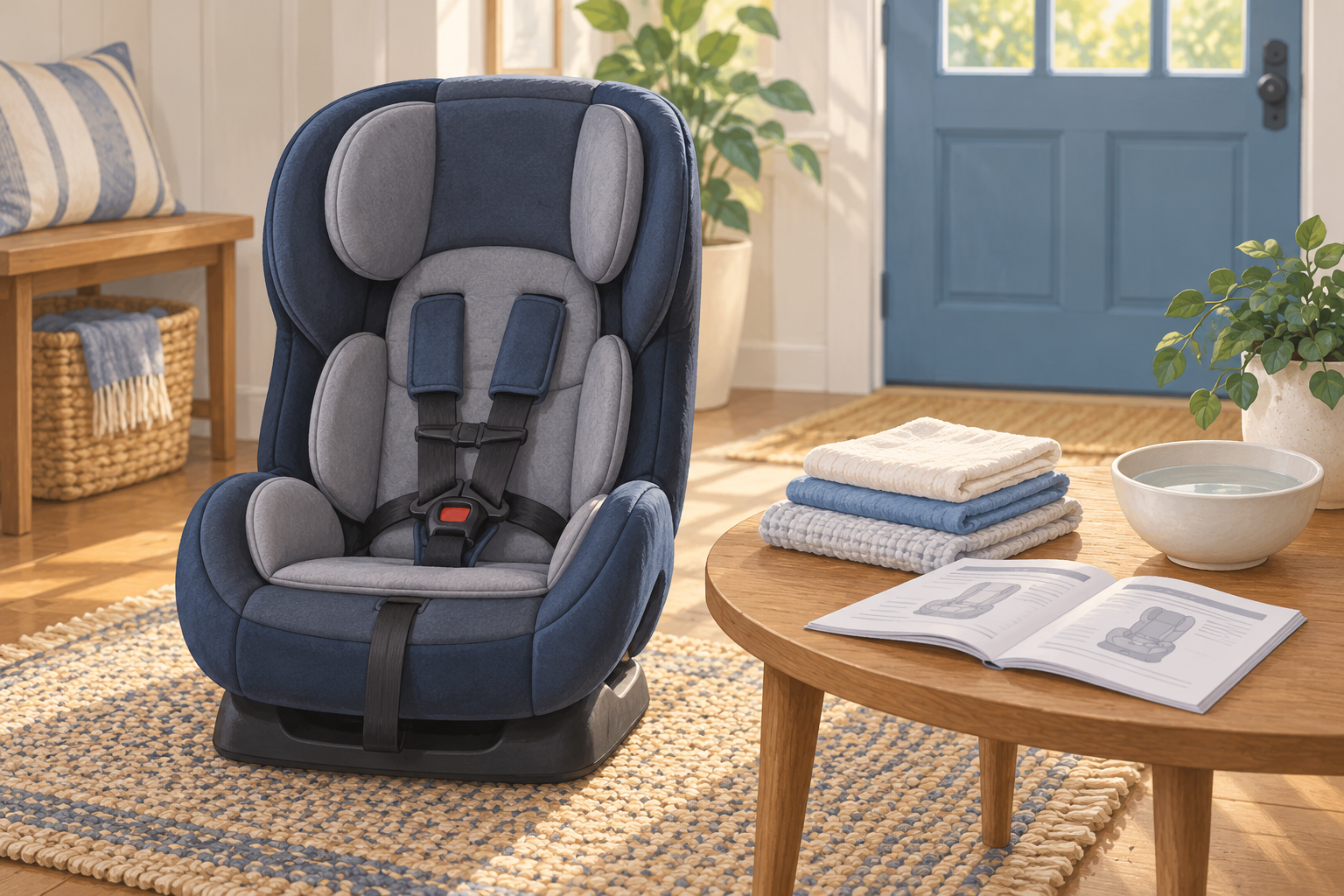
Photograph the label and save the instructions somewhere you can access without internet service. If a label is missing or unreadable, contact the manufacturer before departure rather than assuming a retailer’s product description will settle the issue at the gate.
A purchased seat removes one important uncertainty
The FAA strongly recommends an approved restraint for children under two and explains that buying the child a ticket is the way to guarantee a seat for that restraint. A plan to use an empty seat leaves the outcome dependent on availability.
Ask the airline about the aircraft type and appropriate seating locations. Airlines can have safety policies that determine where a restraint fits. Do not choose an exit-row location or a premium seat configuration simply because it appears spacious; confirm compatibility before relying on it.
Rear-facing is a product-use question
The FAA’s current guidance says the restraint should be installed in the forward- or aft-facing direction indicated by the device instructions for the child’s size. The direction the aircraft seat faces and the direction the child restraint faces are separate issues. Bring the relevant manual page if your child needs a rear-facing installation.
Do not change the child’s mode solely to create more room for another passenger. If there is a fit conflict, ask cabin crew to review the instructions and the available seating arrangement. The FAA states that, when an approved restraint for a ticketed child does not fit the assigned seat, the airline is responsible for accommodating it in another seat within the same class of service.
Some familiar products are not substitutes
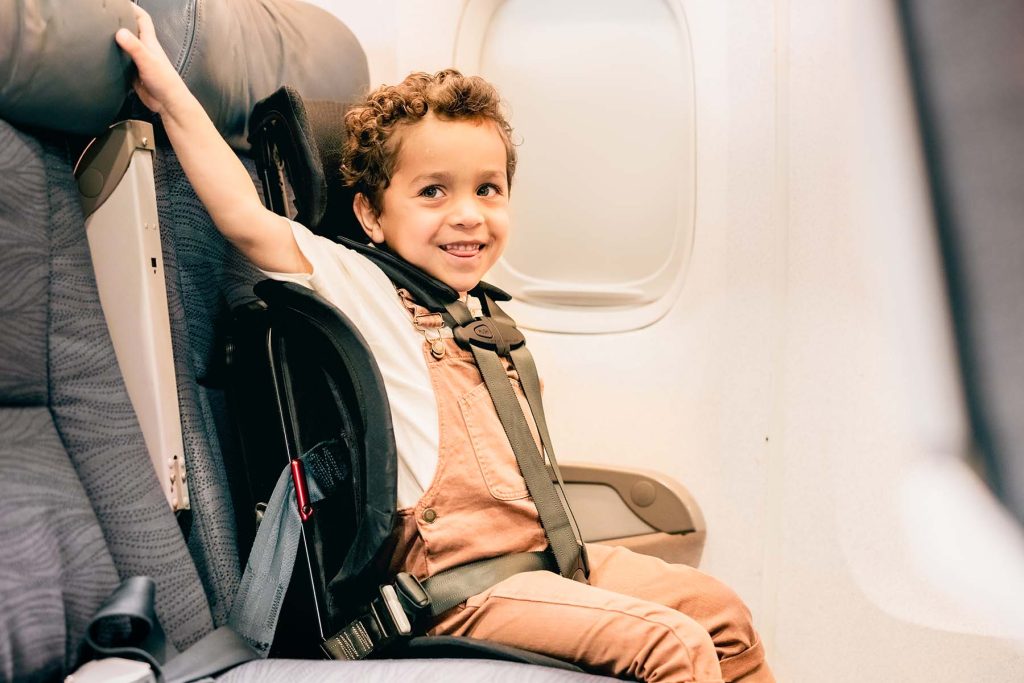
A belt-positioning booster depends on a lap-and-shoulder belt and is not a replacement for an aircraft-approved harnessed restraint. The FAA prohibits booster seats, baby carriers and backless child restraints during ground movement, takeoff and landing. The approved CARES device is a separate aircraft-only option for children who satisfy its requirements; an imitation travel harness is not equivalent.
Our air-travel restraint selection guide helps compare the practical choices. Include the journey after landing: an aircraft-only device does not solve the need for an appropriate restraint in a taxi or rental car.
Resolve a disagreement with documents
Show the approval label, the relevant manual section and the FAA’s current family-travel guidance. Ask the crew to clarify whether the issue is product approval, installation, seating location or available space. Those questions lead to different solutions, so it helps to name the problem precisely.
Remain calm and follow crew directions while seeking clarification. If the issue remains unresolved, record the flight details after the event and use the airline’s customer-service process. This guide concerns FAA guidance for U.S. operations; confirm the rules of the operating carrier for an international itinerary, particularly when different airlines handle different legs.
For the broader safety context, read lessons from Alaska Airlines Flight 1282. For setup problems before the trip, a car-seat consultation can help you become comfortable with your own equipment.