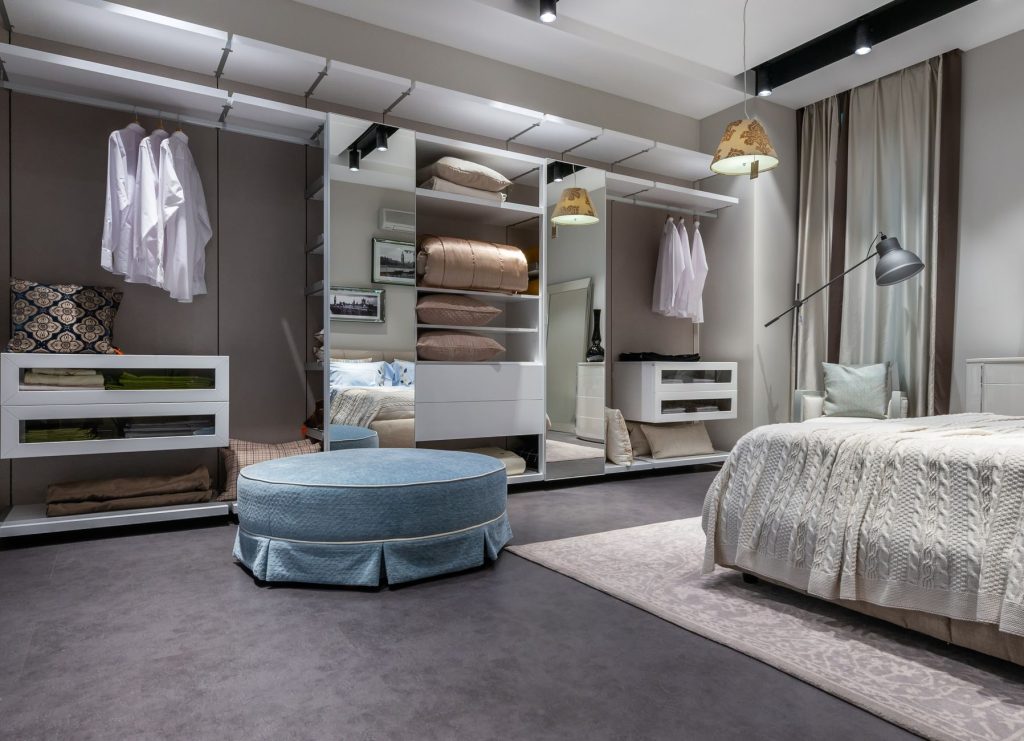
A well-designed bedroom is not just about beautiful furniture, soothing colours, or comfortable bedding. It is equally about how effectively the available space is used. From unused corners to awkward wall sections, every area offers an opportunity to improve organisation and enhance the room’s appearance. Thoughtfully planned luxury wardrobes and customised storage solutions can transform overlooked spaces into practical design features.
With the right combination of layout, materials, and finishes, even a compact bedroom can feel spacious, organised, and visually refined.
Rethinking the Potential of Unused Bedroom Corners
Bedroom corners are often among the most underutilised areas in a home. They may become temporary storage spots for bags, laundry, or miscellaneous belongings simply because their design potential has not been considered.
Instead of leaving these spaces unused, homeowners can explore creative storage arrangements that complement the overall bedroom layout. Corner shelving, compact cabinets, vertical storage units, and customised furniture can help maximise available space without making the room feel crowded.
For example, an awkward corner near a dressing area can accommodate a narrow storage unit for accessories, while a recessed section beside a window can be transformed into a functional display or shelving arrangement. The key is to understand the room’s dimensions and identify solutions that improve accessibility without disrupting movement.
Choose Wardrobe Designs That Work With Your Space
Wardrobes are among the most important storage elements in a bedroom. However, choosing one should involve more than selecting an attractive exterior. Its dimensions, internal arrangement, door mechanism, and accessibility all influence everyday convenience.
Sliding and Hinged Wardrobes
Sliding wardrobes are particularly useful in compact bedrooms where opening conventional doors may restrict movement. Their streamlined appearance also works well in contemporary interiors.
Hinged wardrobes, on the other hand, provide complete access to individual compartments and offer flexibility in terms of internal arrangements. They are suitable for bedrooms with sufficient clearance in front of the storage unit.
The choice should depend on the available floor space, furniture placement, and personal preferences rather than design trends alone.
Floor-to-Ceiling Storage
Vertical storage is another effective way to make better use of limited bedroom space. Floor-to-ceiling wardrobes utilise wall height, providing additional room for seasonal clothing, luggage, spare bedding, and other infrequently used belongings.
The upper compartments can accommodate items that are not needed every day, while easily accessible sections can be reserved for regular clothing and personal essentials. This arrangement keeps frequently used belongings within reach and reduces visual clutter.
Make Internal Storage as Important as Exterior Design
An attractive wardrobe may improve the bedroom’s appearance, but its internal organisation determines how useful it is over time.
A well-planned storage system should reflect the homeowner’s daily habits and belongings. Instead of relying on a standard arrangement, consider dividing the available space according to specific requirements.
Some practical additions include:
- Dedicated hanging sections: Separate areas for long garments, shirts, jackets, and everyday clothing.
- Pull-out drawers: Convenient compartments for accessories, smaller clothing items, and personal essentials.
- Adjustable shelves: Flexible storage that can accommodate belongings of different sizes.
- Accessory organisers: Specialised sections for watches, jewellery, belts, and other frequently used items.
- Integrated lighting: Internal lights that improve visibility and make it easier to locate belongings.
These details may seem small during the planning stage, but they can significantly improve everyday usability.
Use Materials and Finishes to Create Visual Harmony
Storage furniture should complement the bedroom rather than appear disconnected from its overall design. Material selection, colour combinations, and surface finishes play an important role in achieving this balance.
Wooden textures can introduce warmth and create a welcoming atmosphere, while matte laminates offer a subtle, contemporary appearance. Glass panels and reflective surfaces can make smaller bedrooms feel brighter and more open when used thoughtfully.
Neutral shades such as beige, cream, warm grey, and soft white work particularly well in restful bedroom environments. Homeowners who prefer a more distinctive look can introduce darker finishes, textured panels, or metallic details as accents.
Durability should also remain a priority. Materials must be suitable for everyday use, easy to maintain, and compatible with the expected level of wear. Choosing quality hardware, reliable hinges, and smooth drawer mechanisms can further improve the lifespan of bedroom furniture.
Plan Storage Around the Entire Bedroom Layout
Even the most attractive storage unit can become inconvenient if it is poorly positioned. Wardrobe placement should be considered alongside the bed, bedside tables, dressing units, windows, and entryways.
For instance, installing a large storage unit too close to the bed may restrict movement and make the room feel cramped. Similarly, placing a wardrobe in front of a natural light source can affect the room’s brightness.
A practical layout should maintain comfortable walking spaces, allow doors and drawers to open freely, and ensure that frequently used storage remains easily accessible.
This is where professional planning becomes valuable. Homeowners exploring customised interiors can benefit from working with premium furniture designers bangalore who understand how to balance spatial requirements, material choices, and visual consistency. A well-coordinated approach helps ensure that individual furniture pieces work together rather than compete for space.
Consider Multifunctional Furniture for Compact Bedrooms
When floor space is limited, multifunctional furniture can provide additional storage without requiring separate units.
Beds with built-in drawers or hydraulic storage compartments are useful for keeping extra bedding, blankets, and seasonal belongings. A dressing table with integrated drawers can reduce the need for additional cabinets, while a window-side bench with concealed storage can combine seating and organisation.
Wall-mounted shelves and floating bedside units can also free up floor space, creating a lighter and more open appearance.
The objective is not to fill every available corner with furniture. Instead, each element should serve a clear purpose while contributing to the room’s overall comfort and functionality.
Conclusion
Transforming empty bedroom corners into elegant and functional spaces begins with thoughtful planning. From floor-to-ceiling storage and customised compartments to multifunctional furniture and coordinated finishes, every design decision can contribute to a more organised living environment.
Well-planned luxury wardrobes should do more than store belongings; they should complement the bedroom’s architecture, support everyday routines, and make efficient use of available space. For homeowners looking to bring these ideas together, WeDezine Studio offers personalised bedroom interior design solutions, including smart wardrobe concepts, thoughtful space planning, and coordinated finishes. Its approach to combining functionality with refined aesthetics can help create bedrooms where every corner has a purpose and every design detail contributes to comfortable living.