Editorial update · Updated October 19, 2026. This page has been rewritten; historical models and events are identified in the text.
During the 2020 stay-at-home period, simple household materials became a source of family activities. Pool noodles were one example. They can still provide inexpensive play ideas, as long as their role as a craft material is kept separate from any role in safety equipment.
Keep activities large and uncomplicated
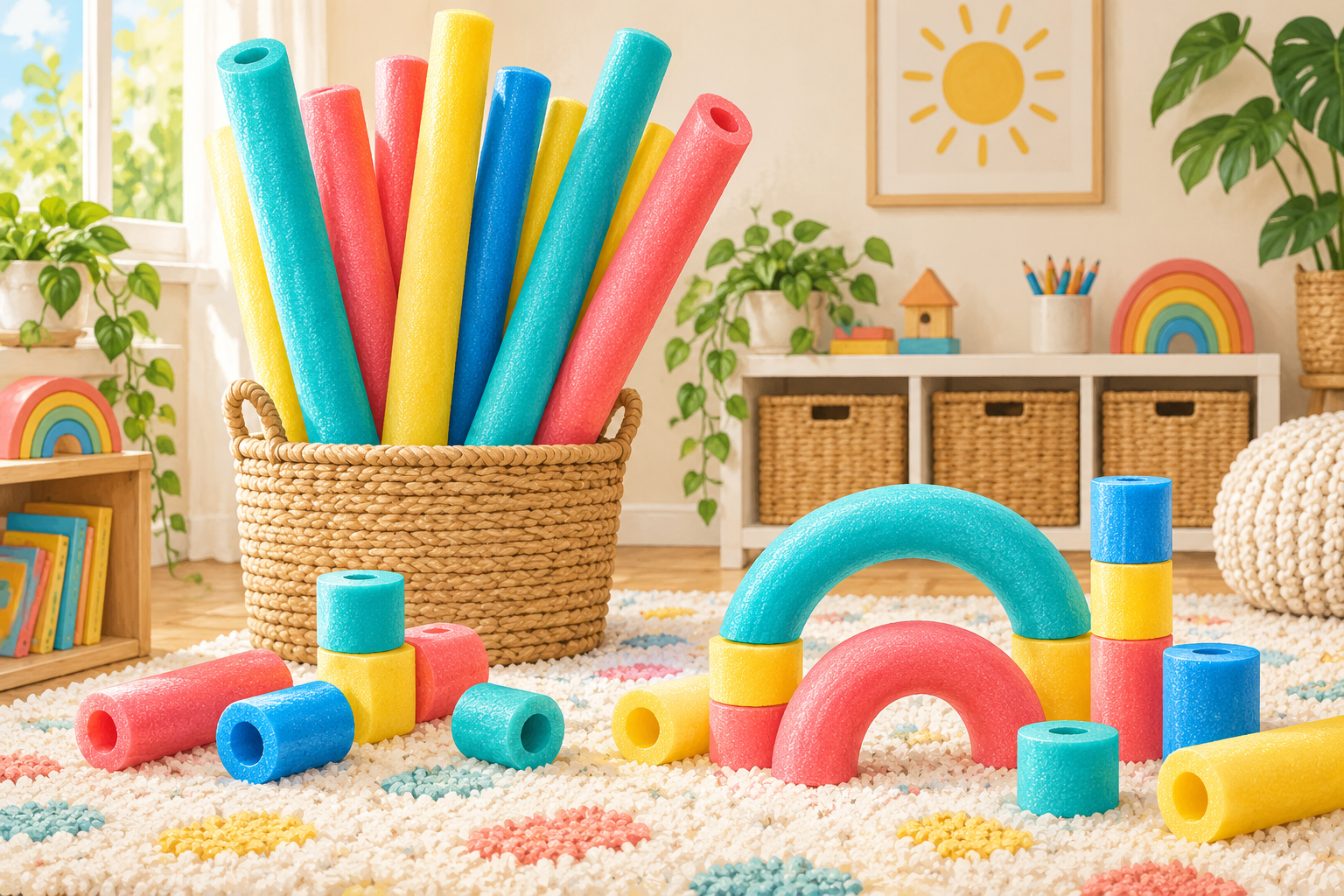
Arrange whole noodles on the floor as a pretend road for large toy vehicles, or use them to mark the edges of a simple walking course. Leave clear space around the activity and avoid unstable climbing structures. A child can help choose the route, name its destinations or create a story about the journey.
For older children, an adult can prepare larger pieces for sorting by color or length. Match the activity to the child’s age and habits. Foam fragments and small decorations do not belong in activities for children who may put them in their mouths, and adults should handle cutting tools.
A toy does not replace supervision
Keep loops, cords and tight arrangements away from children’s necks and bodies. Inspect foam for pieces breaking off and clear the materials away when play finishes. Do not use a homemade noodle craft as a flotation or rescue device.
CPSC’s Pool Safely guidance calls for an attentive adult supervising children in or near water. If the activity moves outside near a pool, the supervision plan matters more than the toy. Our summer travel routine includes related preparation for family outings.
Car-seat use is a separate question
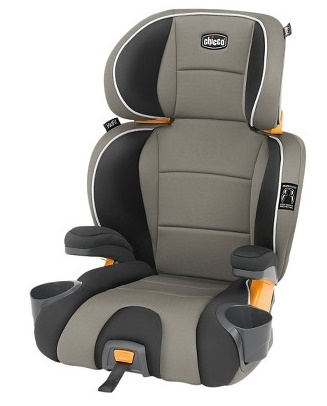
Some restraint instructions permit a specified leveling aid in a particular installation. That does not make a pool noodle a universal car-seat accessory. Follow the exact manual and do not place craft foam behind a child, under harness straps or elsewhere as an improvised support.
If you cannot achieve the required recline, use the manufacturer’s guidance and arrange professional installation help. A creative play project can be changed freely; a child-restraint installation needs to follow its approved design.