Editorial update · Updated October 19, 2026. This page has been rewritten; historical models and events are identified in the text.
A television scene can draw attention to an awkwardly positioned seat belt, but viewers may not know how or where the scene was filmed. The more useful takeaway is a check of your own belt fit. The belt needs to work with the vehicle’s seating and airbag system, not merely appear fastened.
Keep both portions in their intended position
NHTSA advises wearing the lap portion across the hips and the shoulder portion across the chest, away from the neck. Do not move the shoulder belt behind the back or under an arm to make it more comfortable. Doing so changes how the restraint supports the upper body.
An airbag does not replace a seat belt. Buckle on every ride and use the seating posture and adjustment guidance in the vehicle manual. A belt that clicks into its buckle may still be routed incorrectly.
Try the adjustments designed into the vehicle
Where available, the shoulder-belt height adjuster and seat adjustments can improve fit. Change one setting at a time while parked and recheck the full belt path. An adjustment that improves shoulder placement should not leave the lap belt riding on the abdomen or compromise the driver’s reach and view.
Keep the seatback within the position recommended by the manufacturer. Excessive recline is not a solution to a belt that feels awkward. If you cannot achieve a suitable position, ask the vehicle manufacturer or a qualified mobility specialist about approved options.
Do not improvise a positioner
A cushion, clip or child booster used outside its instructions can alter belt geometry in unverified ways. Avoid treating a product designed for a different user or purpose as an automatic fix. Any specialized restraint or adaptation should have appropriate approval and professional guidance.
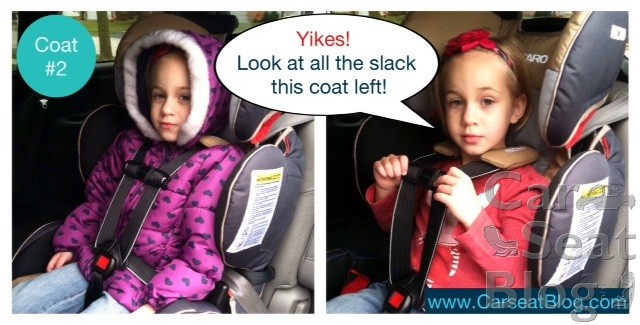
For children, check whether a booster is still needed rather than using adult seat adjustments to conceal a poor fit. Our booster-readiness article explains why the lap-and-shoulder belt needs to fit in the actual seating position.
Make correct use visible
Adults can make buckling a normal part of departure by completing their own fit check before the car moves. Teen drivers benefit from the same consistent expectation for every passenger; see a practical parent–teen driving plan.
The goal is straightforward: use the vehicle’s restraint as intended, investigate discomfort through approved adjustments and avoid shortcuts that reroute the belt. That is useful whether the original question came from a television program, a photograph or a ride in the family car.