Cars usually don’t fail out of nowhere. They give you warnings first, often in small, easy-to-ignore ways. A shaky idle, a burnt smell, a delayed start, or a dashboard light that flickers once and disappears can all point to wear that’s building up under the surface. If you drive around Euless, TX, where daily traffic, summer heat, and short errand runs can all stress a vehicle, noticing those early signs matters more than most drivers realize.
Oil change timing affects more than engine life
People often frame oil changes as a basic chore, but they do much more than preserve the engine. Fresh oil reduces friction, carries heat away from moving parts, and helps trap contaminants before they circulate through the system. If you push too far past the recommended interval, oil can degrade, thicken, and lose its ability to protect critical components.
That matters even more if your driving habits count as severe service. Short trips, stop-and-go traffic, towing, long idling periods, and extreme temperatures all accelerate oil breakdown. In a place with heavy summer heat and frequent local driving, you may need service earlier than the standard sticker suggests. Drivers looking for Quik’s Oil Change in Euless, TX are often trying to stay ahead of exactly that kind of wear before it turns into a repair bill.
Your dashboard lights are not just suggestions
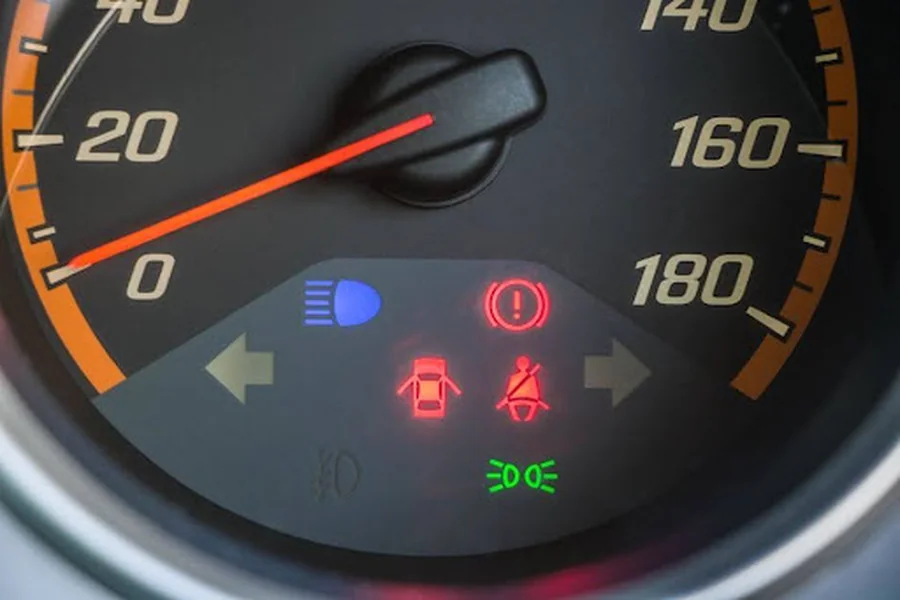
A lot of drivers treat dashboard lights like background noise, especially if the car still moves normally. That can get expensive fast. The check engine light alone can signal anything from a loose gas cap to ignition misfires, failing oxygen sensors, or catalytic converter trouble. The oil pressure light is even more urgent because it can mean your engine isn’t getting proper lubrication.
You don’t need to panic every time a light appears, but you do need to take it seriously. A flashing light usually signals a more severe fault than a steady one. Your owner’s manual helps, but so does basic preventive maintenance. If you’re overdue for fluid service or running old oil, you’re giving small issues room to grow into mechanical failures.
Strange sounds usually point to a specific system
Cars make patterns of sound, and once one changes, you’re often hearing a component wear out in real time. A high-pitched squeal during braking often means worn brake pads. A clicking sound when turning can indicate a failing CV joint. Knocking from the engine bay may signal combustion issues, low oil, or internal engine wear.
The key is timing. Does the sound happen only when you start the car, accelerate, brake, or turn? That detail helps narrow down the system involved. If your car hums louder at highway speed, the issue could be a wheel bearing or uneven tire wear. If it rattles at idle and smooths out while driving, you may be dealing with loose heat shields or engine mount wear. Waiting rarely makes these noises cheaper to fix.
Smells inside or around the car can reveal hidden trouble
A car that smells different is often leaking, overheating, or running inefficiently. A sweet smell can point to coolant loss. Burning oil has a sharp, heavy scent that may mean oil is dripping onto hot engine parts. A rotten egg odor can come from a failing catalytic converter or fuel system imbalance. If you notice a burnt toast smell from the vents, electrical components may be overheating.
These aren’t cosmetic issues. Fluids evaporate, seals crack, hoses age, and heat makes everything worse. If the smell appears after a drive and lingers near the hood, pop it only when the engine has cooled. Check for visible residue, drips, or smoke trails. If the odor shows up during acceleration or while the air conditioning is on, mention that exact pattern when you get the car inspected. Specific observations save diagnosis time.
Tire wear tells you how the whole vehicle is behaving
Your tires are one of the best diagnostic tools on the car, and most people barely look at them. Uneven tread wear can expose alignment issues, underinflation, overinflation, worn shocks, or suspension geometry problems. If one edge is wearing faster than the other, your alignment may be off. If the center tread disappears early, the tire may be overinflated. Cupping or scalloping can signal weak dampers.
Tires also reveal whether your maintenance habits are keeping up with your driving. Rotations matter because front and rear tires wear differently, especially on front-wheel-drive vehicles. Tire pressure matters because low pressure increases rolling resistance, fuel use, and sidewall stress. A vehicle that pulls slightly to one side or vibrates at speed is already giving you usable data. Ignoring that data often leads to shorter tire life and compromised handling.
Fluids are your car’s first line of defense
Motor oil gets most of the attention, but your vehicle depends on several fluids working within tight operating ranges. Coolant regulates engine temperature and helps prevent corrosion. Brake fluid transfers hydraulic force and can absorb moisture over time, reducing braking performance. Transmission fluid supports lubrication, cooling, and shift quality. Power steering fluid, where applicable, affects steering effort and pump health.
If a fluid is low, dark, contaminated, or leaking, it usually means something else is beginning to fail. You don’t need to become a technician, but you should know what normal looks like. Glance under the car after it’s parked. Learn whether your vehicle has a dipstick for transmission fluid or uses a sealed system. Ask for fluid condition updates during routine service. Catching deterioration early often prevents larger component damage.
Heat, short trips, and delays create the perfect maintenance trap
Modern cars are more durable than older ones, but they’re not immune to neglect. In fact, long service intervals and better engineering can create a false sense of security. If you mostly drive short distances, your engine may not fully reach operating temperature long enough to burn off moisture and fuel dilution. Add high outdoor temperatures and traffic-heavy roads, and wear compounds quietly.
That’s where a lot of breakdown stories begin. Not with one dramatic failure, but with repeated delays: skipping a fluid service, ignoring a weak battery, postponing brake work, or brushing off a vibration for three months. The smarter move is to build a maintenance rhythm around how you actually drive, not how you wish you drove. Cars respond well to attention. They punish delay with precision.