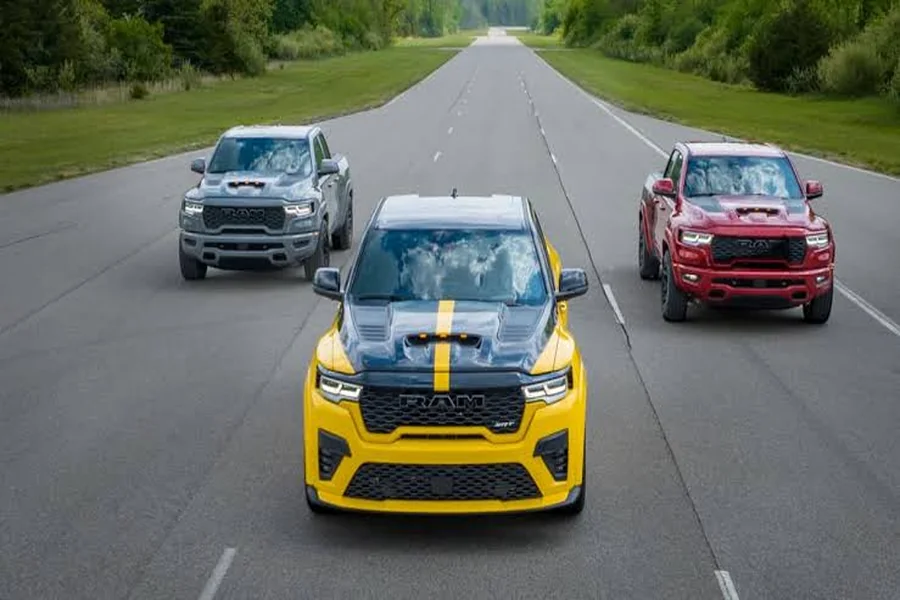
Nine out of ten people who walk onto a Monterey County lot already know the vehicle they want. The part they get wrong is the test drive. They cruise a Jeep Wrangler down Del Monte Boulevard for six minutes, feel great, sign, and then discover on the first trip to Big Sur that the soft top howls above 55 and their kid can’t hear the back seat. If you’re shopping the Chrysler, Dodge, Jeep, or Ram lineup anywhere between Marina and Carmel, your whole decision rides on how you spend one afternoon.
Here’s what I’d do. Treat the test drive as a data collection trip, not a victory lap. Drive the exact surface types you’ll actually see each week, load the vehicle the way your life loads it, and price the whole thing before you get attached. Buyers working with a CDJR Dealership in Seaside California have a real advantage here because Highway 1, Highway 68, and the back roads toward Fort Ord are all within a short loop, which means you can test a truck in the conditions it will actually live in.
Below is the route, the checklist, and the pricing gut check I’d use. None of it requires a spreadsheet unless you enjoy that sort of thing, and honestly, you should enjoy that sort of thing.
Start With the Road You Drive Every Day
The Monterey Peninsula punishes the wrong vehicle choice in ways a flat inland test drive never reveals. Fog rolls in fast on Highway 68. Sand gets into everything. The grade up Carmel Valley Road is steeper than it looks from the passenger seat. And downtown Monterey parking garages were not built for a lifted vehicle.
So build a drive route that matches your real week. If you commute over Highway 68 to Salinas, take the vehicle there at 7 a.m. and see how it feels in fog with a windshield that fogs from the inside. If you haul a boat to Moss Landing, hitch it up first and see how the truck squats and how the transmission hunts on the climb. If you park in a Cannery Row structure twice a week, drive it into one. I’m serious about that last one. A Ram 2500 that doesn’t fit isn’t a truck problem; it’s a Tuesday problem.
My pick: the Wrangler and Gladiator owners who never leave pavement are usually happier in a Grand Cherokee. The ride is quieter, the steering is calmer, and you still get plenty of capability for the fire roads out past Cachagua. Buy the rig for the 95 percent, not the weekend you keep promising yourself.
What Your Test Drive Checklist Should Cover
Most shoppers spend the entire drive fiddling with the radio. Don’t be most shoppers. Run this list in order and you’ll learn more in 30 minutes than in an hour of reading spec sheets.
- Cargo with your actual stuff. Bring the stroller, the surfboards, or the dog crate. Fold the seats yourself and check the lift-over height.
- Seat comfort in the back. Sit in the second row while someone else drives. If your mother-in-law rides along twice a month, that matters.
- Noise at highway speed. Get to 65 and hold it. The Wrangler’s roof and the Ram’s tires tell you very different stories here.
- Visibility in real light. Drive into the evening fog if you can. Thick pillars and small mirrors show up late.
- The parking lot test. Back into a tight spot. Try a three-point turn. Check the camera and mirror sightlines.
- Infotainment with your phone. Pair it, play your playlist, place a call. Uconnect is solid, but you want to confirm your own habits work with it.
The one step people skip is the second opinion drive. Bring the person who will ride in the passenger seat most often and let them drive too. Their complaint about the seat or the door height is worth more than any review you’ll read.
New, Used, or Certified: Pick by Years, Not by Vibe
Here’s a decision rule I’ve watched hold up over and over. If you keep vehicles more than seven years, buy new or certified. If you trade every three or four, a clean used unit usually wins because someone else ate the depreciation. There’s no drama in that math, just a clear line.
Certified pre-owned sits in a genuinely useful middle spot for this lineup. Jeep and Ram hold value well, so used prices stay firm, and a certified unit comes with a manufacturer-backed inspection and limited warranty that a curb lot can’t match. According to the Federal Trade Commission, buyers are entitled to see a used vehicle’s buyer’s guide with warranty terms spelled out, so read that window sticker before you talk numbers instead of after.
| Your situation | Likely best fit | Why
|
|---|---|---|
| Keep vehicles 7+ years | New or certified pre-owned | Full warranty coverage and you control the maintenance history |
| Trade every 3 to 4 years | Clean used, low miles | Depreciation already absorbed by the first owner |
| Weekend trail use only | Certified Wrangler or Gladiator | Inspected, warrantied, and built for the terrain you want |
Price the Whole Deal, Not the Monthly Payment
The monthly payment is the least useful number in the conversation, and dealers know it. Ask for the out-the-door figure in writing, then compare it against your own financing offer. Get pre-approved at a credit union before you sit down. That single move gives you a real benchmark and takes the pressure off the negotiation.
Two more pieces of the total cost that people forget. Insurance rates swing hard between a base Ram 1500 and a loaded one with a bigger engine, so call your agent with the VIN before you sign. And check the expected fuel economy on the Environmental Protection Agency site so the weekend truck doesn’t quietly become a daily expense you didn’t plan for.
The Safety Detail Buyers Underrate
If you buy a used vehicle from a private seller, check for open recalls yourself. It takes two minutes and it’s free. The National Highway Traffic Safety Administration lets you search by VIN, and it will tell you whether the vehicle you’re about to buy has an unrepaired recall. Dealerships handle this on their inventory, which is one quiet reason buying through a franchised store saves you a headache.
Take the vehicle to a mechanic you trust before you commit, even if it’s certified. A second set of eyes on a used truck costs far less than the surprise repair you’re trying to avoid.
My Short Version
Spend one afternoon driving the exact roads you’ll drive all year. Bring your real cargo and your real passengers. Price the out-the-door total against a pre-approved loan instead of chasing a monthly number. Then buy the vehicle for your average week, not the fantasy weekend.
If you’re ready to put this plan to work, call the Seaside store, ask for a route that includes Highway 68 and a Highway 1 stretch, and drive the trim you actually want rather than the one they have on the front line. What’s your real week look like, and does the rig you’re eyeing fit it?