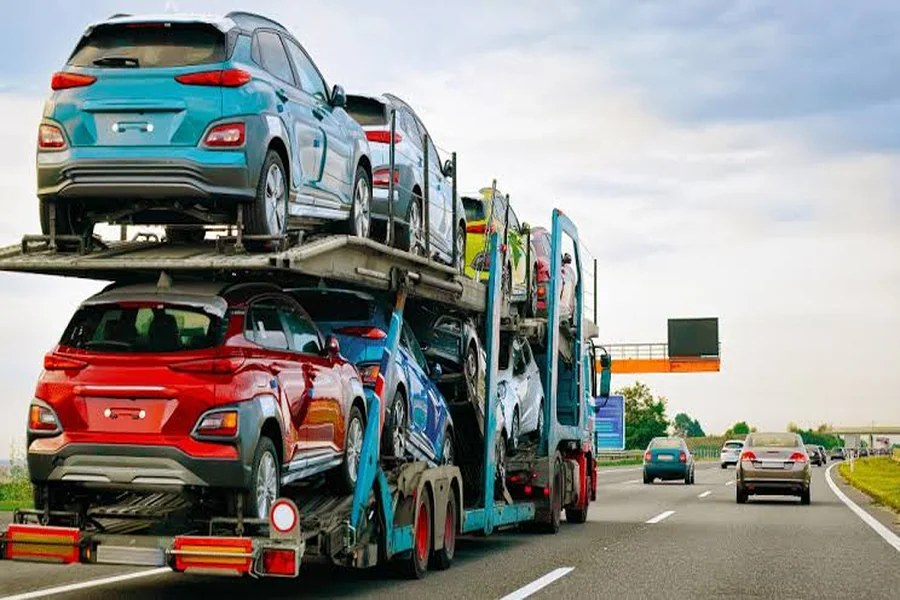
Nine out of ten people who call about an Alaska car shipment ask the same question first: how much? The honest answer is that the price depends on things most movers never think to mention, and the number they hear on day one is rarely the number they pay on delivery day.
I have watched families get blindsided by port fees on a Tuesday morning in Seattle, and I have watched others glide through the whole thing because they asked four questions up front. The difference is rarely luck. It is knowing where the money goes and which half of the trip you actually control. If you want to skip the guesswork and just see real numbers for your route, you can Get a auto transport quote today and compare it against the ballpark I lay out below.
This is the guide I wish existed the first time someone handed me a set of keys and a bill of lading at a Tacoma dock.
Why Alaska Shipping Plays by Different Rules
A car moving from Phoenix to Chicago rolls the entire way on pavement. A car moving to Anchorage does not. Somewhere in the middle of the trip, your vehicle stops being a car and becomes freight. It gets parked in a yard, loaded onto a vessel or a barge, and handed off between companies that may never speak to each other directly.
That handoff is where the real cost lives. Ocean carriers charge by the lane, ports charge by the day, and the trucking company that picks up your car at the origin has no control over any of it. So when a quote comes in lower than everything else you saw, the question worth asking is not “why is this cheap” but “what did they leave out.”
Federal rules actually protect you here. The Federal Motor Carrier Safety Administration requires movers of household goods to give you a written estimate and to be upfront about whether it is binding. Ask any auto transporter for that same paperwork in writing, even though the rules for vehicles are looser. A company that hedges on putting numbers on paper is telling you something.
Three Routes, Three Very Different Bills
Almost every Alaska shipment fits into one of three shapes. The one you pick changes your price more than any negotiation ever will.
| Route Type | How It Works | Best For
|
|---|---|---|
| Full overland plus ferry | Car is trucked to a Pacific Northwest port, then sails north on a ferry or barge | People who want a single company handling everything |
| Terminal to terminal | You drive the car to the origin terminal and pick it up at the destination terminal | Budget-conscious movers with flexible schedules |
| Door to door | Car is picked up at your address and delivered to your new one | Anyone shipping in winter, or without a second vehicle |
Terminal to terminal is almost always the cheapest, and it is the option I would personally pick if I had a friend who could drop me at the dock. But the savings evaporate the moment you have to rent a car for four days because your vehicle is waiting on a vessel that got delayed by weather. Do the math on that rental before you celebrate the lower rate.
Door to door costs more, and it is worth every dollar in January. Nobody wants to be standing at a freight terminal in single digit temperatures trying to find the right gate.
What Actually Moves the Price
Four things drive your quote, and only one of them is negotiable.
- Distance and lane popularity. Routes with steady volume get better pricing because carriers can fill vessels. Remote destinations cost more because they do not have that luxury.
- Vehicle size and condition. A compact hatchback fits in spaces a lifted truck cannot. If your car does not start or roll, expect a winch fee and expect it to be significant.
- Season. Summer is peak moving season across the country, and Alaska is no exception. Booking in spring for a fall move usually beats booking in August for a September move.
- Port and terminal fees. This is the line item that shocks people. Ask specifically whether the quote includes origin terminal handling, destination handling, and any daily storage charge if you are late picking up.
One more thing that trips up military families and corporate relocations: the quote and the reimbursement are two separate conversations. Get your paperwork sorted before you book, not after.
A Checklist You Can Run in Ten Minutes
Before you commit to anyone, walk through this list. It takes less time than a coffee break and saves you from the worst outcomes.
- Confirm the insurance. Ask what coverage applies while the vehicle is on the water versus on a truck. Those are usually different policies.
- Document the car. Photograph every panel, the odometer, and any existing damage before handoff. Time stamped photos are your only leverage later.
- Empty it out. Personal belongings inside a shipped vehicle are usually not covered, and some carriers prohibit them outright.
- Get the delivery window in writing. A range is normal. A promise of an exact date is a red flag.
- Ask who to call at each stage. If the answer is a general 800 number, keep looking.
That last one matters more than people think. U.S. Customs and Border Protection requires proper documentation for vehicles entering the country, and while an Alaska move stays domestic, any route that touches Canadian soil adds a paperwork layer. The Customs and Border Protection site is the place to check if your specific routing crosses a border, because guessing is expensive.
The Winter Question
Ship in winter or wait for spring? I would ship in winter, and here is my reasoning. Rates soften when demand drops, terminals are less congested, and you get your car before the first real thaw rather than after the last one. The tradeoff is weather delays on the water, which are real but predictable in the sense that they always happen somewhere.
Spring shipping means you compete with everyone else who waited. You will pay more and you will wait longer for a slot.
Either way, build a buffer. If your car needs to be in Anchorage by a specific date, add two weeks to whatever you are quoted. Not because companies lie, but because vessels and weather do not read calendars. The Department of Transportation tracks consumer complaints against moving companies, and a quick look there before you sign anything is worth the five minutes.
What to Do With All This
Alaska car shipping is a logistics problem with a few predictable pressure points: the handoff, the fees, the season, and the paperwork. Nail those four and the rest is waiting.
Get two or three written quotes, compare them line by line rather than on the total, and ask every company the same five checklist questions so you are comparing apples to apples. The cheapest number on the page is almost never the cheapest outcome.
And if you are still early in the process, start with a real number for your actual route instead of a generic estimate. Your car, your dates, your destination. Everything else is guesswork.
What is your biggest worry about the move, the cost or the timing?