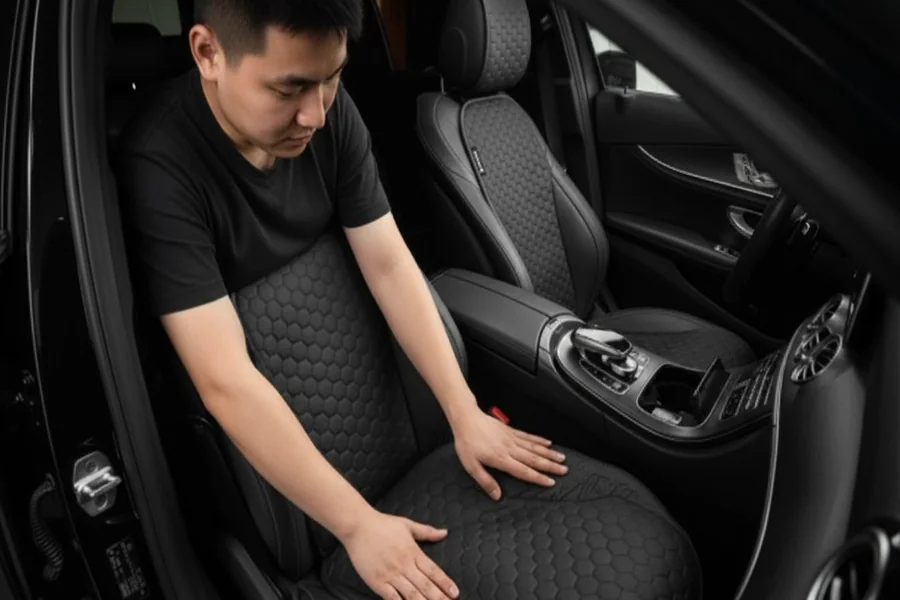
Your car’s interior experiences constant wear and tear, from morning commutes and coffee spills to weekend road trips and changing weather conditions. Over time, these everyday activities can leave vehicle seats stained, faded, or damaged. Investing in quality car seat covers is a practical way to protect your upholstery while improving driving comfort and maintaining your vehicle’s appearance.
However, not all seat covers offer the same level of protection, durability, and comfort. Understanding which features matter most can help you make a worthwhile investment.
1. Durable and High-Quality Materials
The material of a car seat cover directly affects its performance, comfort, and longevity. When shopping for premium car seat covers, consider materials that suit your driving habits, lifestyle, and environmental conditions.
Some popular seat cover materials include:
- Neoprene: Offers flexibility, comfort, and water resistance.
- Cordura: Known for its durability and resistance to abrasion.
- Leatherette: Provides a sophisticated appearance and an easy-to-clean surface.
- Sheepskin: Offers natural softness and temperature-regulating properties.
- Polyester: Provides versatility and practicality for everyday use.
Drivers who frequently encounter dirt, moisture, or heavy use may benefit from more rugged materials, while those who prioritize comfort may prefer softer fabrics.
2. A Precise and Secure Fit
Proper fit is one of the most important characteristics of a quality seat cover. Poorly fitted covers can shift, bunch up, or develop wrinkles, making them uncomfortable and less effective at protecting the original upholstery.
Custom-fit car seat covers are designed around the dimensions and configurations of specific vehicles. They can accommodate features such as:
- Adjustable headrests
- Seat-mounted controls
- Center armrests
- Split-folding rear seats
- Seat belt openings
A well-fitted cover creates a cleaner appearance and helps provide consistent protection across frequently used seating surfaces.
3. Protection Against Everyday Spills and Stains
Food, beverages, dirt, and moisture are unavoidable realities of everyday driving. Whether you commute to work, transport children, or frequently travel with pets, accidental spills can quickly affect your vehicle’s upholstery.
Look for seat covers with protective features such as:
- Water-resistant or waterproof materials
- Stain-resistant surfaces
- Reinforced stitching
- Resistance to dirt and debris
- Easy-to-clean fabrics
Remember that water-resistant and waterproof materials offer different levels of protection. Choose an option based on how frequently your seats are exposed to moisture.
4. Comfort During Long and Short Drives
Seat covers should protect your vehicle without compromising the comfort of your daily commute. Materials that are excessively stiff, rough, or poorly ventilated may become uncomfortable during extended periods of driving.
Consider the following comfort-related features:
- Breathable fabrics
- Soft surface textures
- Flexible material construction
- Temperature regulation
- Minimal bunching and movement
Comfort is particularly important for commuters, rideshare drivers, frequent travelers, and anyone who spends several hours behind the wheel.
5. Compatibility With Vehicle Safety Features
Modern vehicles often include safety systems integrated into their seats. Choosing incompatible seat covers may interfere with the intended operation of certain features.
Before purchasing, check compatibility with:
- Seat-mounted side airbags
- Seat belt mechanisms
- Passenger occupancy sensors
- Heated and ventilated seats
- Child safety seat attachment points
Always follow the vehicle manufacturer’s recommendations and verify that the seat cover is suitable for your specific vehicle configuration.
6. Resistance to Sun Exposure and Temperature Changes
Vehicles that are frequently parked outdoors experience prolonged exposure to sunlight and fluctuating temperatures. Over time, these conditions can contribute to upholstery fading, discoloration, and material deterioration.
Quality seat covers can provide an additional protective layer against environmental exposure.
Drivers living in warmer climates should consider breathable and UV-resistant materials, while those in colder regions may prefer fabrics that remain comfortable during lower temperatures.
7. Easy Cleaning and Maintenance
Car seat covers should simplify interior maintenance rather than create additional work. Materials that require complicated cleaning procedures may be less practical for everyday drivers.
When evaluating cleaning requirements, consider:
- Whether the material can be wiped clean
- How easily it releases dirt and pet hair
- Whether machine washing is permitted
- How quickly the material dries
- Whether removal is necessary for routine cleaning
Always follow the manufacturer’s care instructions to help preserve the material’s appearance and protective qualities.
8. Quality Stitching and Construction
The overall construction of a seat cover is just as important as the fabric itself. Weak seams, poor-quality fasteners, and inadequate attachment systems can reduce durability even when the material is otherwise reliable.
Look for reinforced seams, secure attachment mechanisms, neatly finished edges, and consistent stitching. Areas that experience frequent movement and friction, such as seat edges and bolsters, should receive particular attention.
9. Style That Complements Your Vehicle
Seat covers serve a functional purpose, but they can also improve the overall appearance of a vehicle’s interior.
From neutral colors and classic finishes to textured materials and contrasting patterns, drivers have numerous options for personalizing their vehicles.
Choosing a design that complements your existing interior can create a cohesive appearance without requiring expensive upholstery modifications.
10. Long-Term Value Over Initial Cost
While inexpensive seat covers may seem appealing, they may require more frequent replacement if they wear out, lose their shape, or fail to provide adequate protection.
When comparing options, consider:
- Expected material durability
- Fit and construction quality
- Maintenance requirements
- Warranty coverage
- Level of upholstery protection
- Frequency of potential replacement
A well-constructed seat cover that meets your everyday driving needs may offer better long-term value than a lower-priced alternative.
Final Thoughts
Choosing high-quality car seat covers involves more than selecting an attractive color or material. Durability, proper fit, safety compatibility, comfort, and ease of maintenance all contribute to their overall performance.
By considering your driving habits, local climate, and vehicle configuration, you can select seat covers that provide reliable protection while enhancing your everyday driving experience. The right investment can help maintain your vehicle’s interior condition and keep it looking its best for years to come.