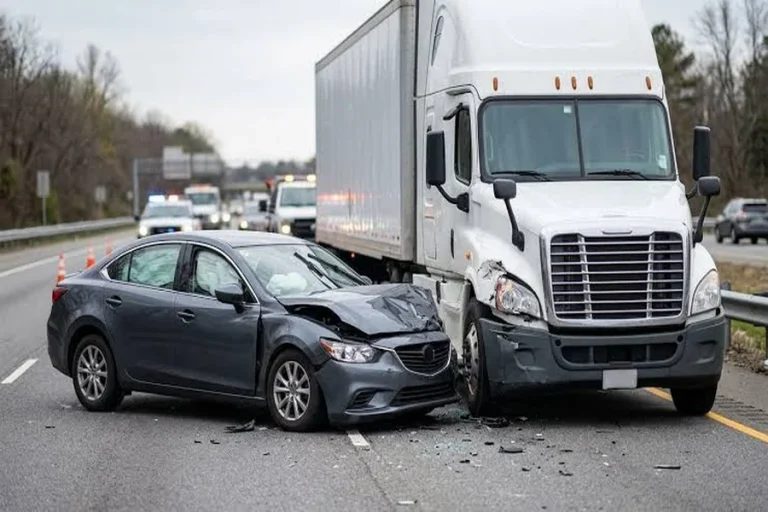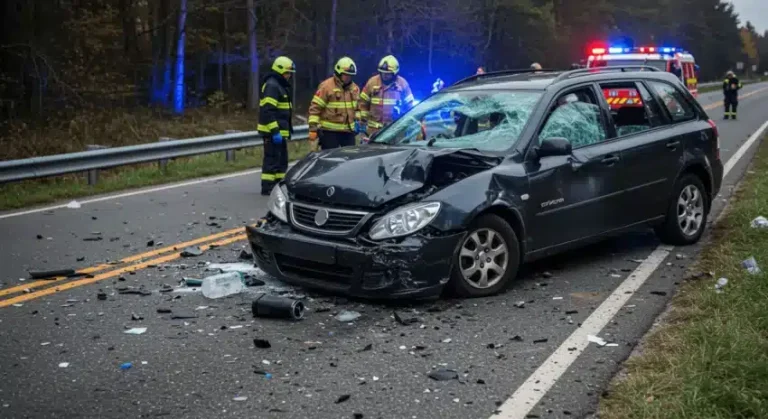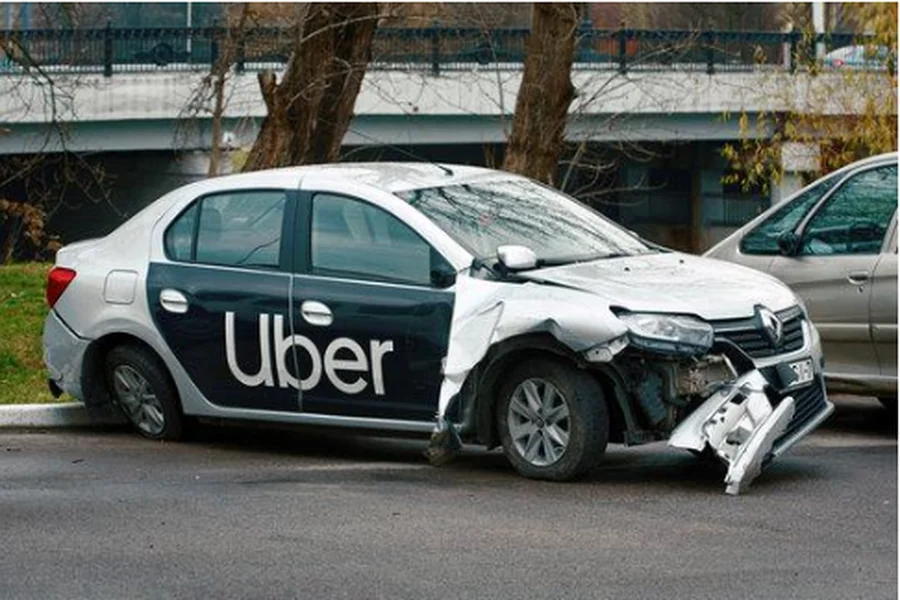
Kansas City is Missouri’s largest city, with busy streets and curbside pickup zones where Uber drivers may face rear-end collisions while waiting for passengers. When an Uber driver is rear-ended during pickup, the at-fault driver’s auto insurance generally covers injuries and vehicle damage.
However, insurers may dispute fault if the Uber driver stopped illegally. An experienced Uber accident lawyer in Kansas City can investigate the collision and identify potential sources of compensation.
What Are the Most Common Factors Determining Who Pays in a Curbside Rear-End Crash?
The trailing driver is often at fault for following too closely or failing to maintain a safe distance. Their liability insurance generally covers the resulting injuries and vehicle damage.
Uber’s $1 Million Commercial Insurance Policy
When an Uber driver accepts a ride request and travels to the pickup location, Uber provides up to $1 million in third-party liability coverage and $1 million in uninsured/underinsured motorist (UM/UIM) coverage. These limits also apply when the passenger is in the vehicle, subject to policy terms. UM/UIM coverage may pay for injuries caused by an uninsured, underinsured, or unidentified hit-and-run driver.
Comparative Fault for Unsafe Curbside Stopping
The Uber driver may share responsibility if they stop unsafely, such as blocking a travel lane, stopping near a blind curve, or failing to use required hazard lights. If the driver is found partly at fault, their share of responsibility may affect how damages are allocated.
Personal Injury Protection (PIP) and MedPay Coverage
PIP or MedPay may cover initial medical expenses, depending on state law and the insurance policy. Kansas requires PIP coverage, while Missouri follows an at-fault system. MedPay may also cover medical bills before a liability claim is settled.
Why Are Curbside Rideshare Rear-End Accidents Often More Complicated?
Curbside rideshare accidents often involve multiple insurance policies and disputes over fault. The trailing driver’s insurer may blame the Uber driver for stopping unsafely, while Uber’s insurer may dispute the driver’s share of responsibility. The driver’s personal insurer may also deny coverage under a rideshare exclusion.
What Laws or Safety Regulations Apply to Curbside Rideshare Pickups?
- Missouri Revised Statutes § 379.1702 sets rideshare insurance requirements for active pickups and trips.
- Traffic laws may prohibit stopping in active lanes, crosswalks, bus stops, and no-stopping zones. Violations may establish the Uber driver’s fault.
- Missouri follows pure comparative fault, while Kansas bars recovery if an injured person is 50% or more at fault.
Real-Life Example: How Can a Curbside Pickup Crash Affect Insurance Liability?
Consider a passenger being picked up outside a downtown Kansas City restaurant. The Uber driver double-parks in an active lane, and a distracted driver rear-ends the vehicle, injuring the passenger.
K.S.A. § 8-1571(a)(1)(i) prohibits stopping beside another vehicle parked at the curb. If applicable, this law may support a finding that the Uber driver contributed to the crash.
The trailing driver’s insurer may cover its policyholder’s share of the damages, while Uber’s commercial policy may cover the Uber driver’s share, subject to policy terms and applicable law.
Pro TipScreenshot your Uber trip status after the crash. Keep your trip receipt and pickup messages as evidence of the driver’s app status and applicable insurance coverage. |
What Should You Do If You Are Involved in a Curbside Uber Accident?
- Call 911 if anyone is injured and move away from traffic.
- Screenshot the Uber app showing the driver’s name, license plate, pickup location, and trip status.
- Photograph the vehicle damage, Uber’s stopping position, road signs, hazard lights, and other relevant evidence.
- Notify Uber through the app and provide an accurate account of what happened.
- Get examined promptly, even if your injuries seem minor. Consider consulting a rideshare accident lawyer before giving recorded statements to insurers.
Frequently Asked Questions
Am I covered by Uber’s $1 million policy if I hadn’t stepped inside the car yet?
Uber’s commercial coverage may apply once the driver accepts your ride request and heads to the pickup location. You do not need to be inside the vehicle. Coverage depends on the policy terms and crash circumstances.
What if the driver who rear-ended my Uber drives off?
Uber’s uninsured motorist coverage may cover injuries if the at-fault driver cannot be identified after a hit-and-run. Coverage depends on the driver’s app status, policy terms, and state law.
Will the Uber driver’s personal auto insurance pay for my injuries?
Usually not. Personal auto policies often exclude rideshare accidents, although some drivers have rideshare endorsements. Uber’s commercial policy may cover active pickups, depending on the driver’s app status and policy terms.