Your vehicle often does more than carry you from one place to another. It becomes storage, a family shuttle, and a place where useful things disappear beneath forgotten ones. In Nashville, busy schedules, home projects, and weekend trips can turn a practical vehicle into a daily frustration. Keeping it useful does not require expensive organizers. It requires deciding what belongs inside, removing what does not, and repeating that choice.
Clutter quietly reduces your vehicle’s usefulness
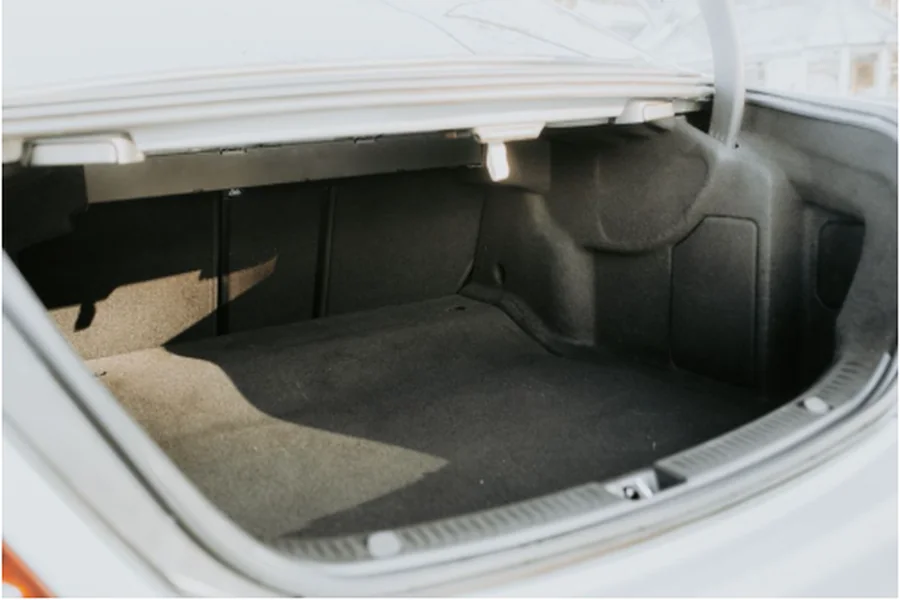
You may notice mess at home before you notice it in the car. A few reusable bags, an old bottle, sports equipment, and a donation box seem harmless. Gradually, the trunk stops being available for groceries, luggage, or emergency supplies. The back seat becomes overflow storage, and every trip begins with moving things around.
A vehicle is valuable partly because it stays flexible. Clear space lets you handle school pickups, shopping, road trips, and last-minute plans without first clearing a pile of belongings.
Remove bulky items before buying more organizers
Small organizers can hold charging cables, tissues, wipes, and other essentials. They cannot solve a problem caused by oversized items that no longer serve a purpose. Broken chairs, damaged bins, old play equipment, renovation debris, and unusable household goods need a different plan.
If garage overflow is spilling into your vehicle, a hauling service can help remove large items and restore useful space. For example, Trashy’s Hauling in Nashville, TN can help clear bulky clutter that ordinary trash collection may not accept.
Before arranging removal, separate reusable items from broken or unsuitable donations. Check local rules for hazardous materials, electronics, paint, and batteries, which may require special handling. Sorting first makes removal simpler and helps keep usable belongings out of the waste stream.
A messy cabin can create safety problems
Clutter is more than an appearance issue. Loose objects may slide under pedals, interfere with seat adjustments, or become projectiles during sudden braking or a collision. Heavy items can shift if unsecured, while bags near the rear window can reduce visibility. Clutter around child seats may also make it harder to access anchors and check installation.
Keep the driver’s footwell, seat tracks, windows, and safety equipment unobstructed. Store heavy items low and secure them. Check your owner’s manual for load guidance, and never let convenience override clear sightlines or safe seating. Organization should make driving easier, not introduce hazards.
Family gear can take over without warning
Households with children accumulate equipment quickly. A retired booster seat, stroller accessory, sports bags, coats, travel toys, and a folding wagon may all seem worth keeping nearby. If you are waiting to donate or hand down these items, the vehicle can become their temporary home for weeks.
Give every item a decision date. If it is still needed, assign it a proper storage place. If someone else can use it, arrange the handoff. If it is damaged or outgrown, decide whether it can be repaired, recycled, donated, or discarded. Keeping something because it might be useful someday is not the same as needing it on the next drive.
Make your home less likely to send clutter back
Vehicle clutter often begins outside the vehicle. When the garage is full, the trunk becomes backup storage. When there is no landing spot by the door, bags and loose belongings remain in the car. Without a plan for donations, they can travel around for weeks.
Create a sorting area at home for items to keep, donate, repair, recycle, and discard. Give seasonal equipment a defined place and keep only regular-use items in the vehicle. This Forbes guide to reducing household clutter recommends starting small and making decisions one area at a time.
The goal is not to own as little as possible. It is to make belongings easy to find without sacrificing the spaces you use every day.
Match the cleanup to your vehicle
Different layouts create different clutter traps. In a sedan, items disappear into the trunk. Crossovers collect family gear because the cargo area feels forgiving. Minivans can become catch-all storage zones, while pickup beds accumulate tools, cords, scrap, and leftover project materials.
Use the space intentionally. Keep fold-flat seats available for larger loads rather than treating them as permanent storage. Secure tools and materials in trucks, and remove them after each job. Check load limits before carrying heavy cargo, especially with passengers and luggage onboard.
Build a reset routine that is easy to maintain
A major cleanout helps, but a short routine keeps mess from returning. Once or twice a week, remove bottles, wrappers, receipts, extra clothing, and papers. Monthly, empty the cargo area and return only items with a clear purpose. If something has not been used for weeks, ask whether it deserves permanent space.
Anything brought into the vehicle temporarily should leave when the task is complete. Bring shopping bags inside, return sports equipment to storage, and unload tools after a home project instead of letting them become permanent cargo.
For more ideas, read this Forbes article on staying organized when life gets busy. Small resets are easier to sustain than waiting until the mess feels overwhelming.
Keep the space ready for what comes next
A useful vehicle is not necessarily spotless. It is ready for the next task in daily life. Clear seats, cargo space, and windows make it easier to load groceries, carry sports gear, fit a stroller, or pack for a trip. You can also reach emergency supplies and see clearly while driving.
Keep essentials onboard, such as registration documents, a first-aid kit, a charging cable, and appropriate emergency equipment. Store them securely and review them occasionally. Everything else should earn its place by serving a genuine purpose.
If your vehicle feels smaller than it used to, clutter may be consuming the flexibility you rely on. Sort honestly, remove bulky items that have outlived their usefulness, and build a routine that restores the space. Your vehicle should carry your life, not store the leftovers.